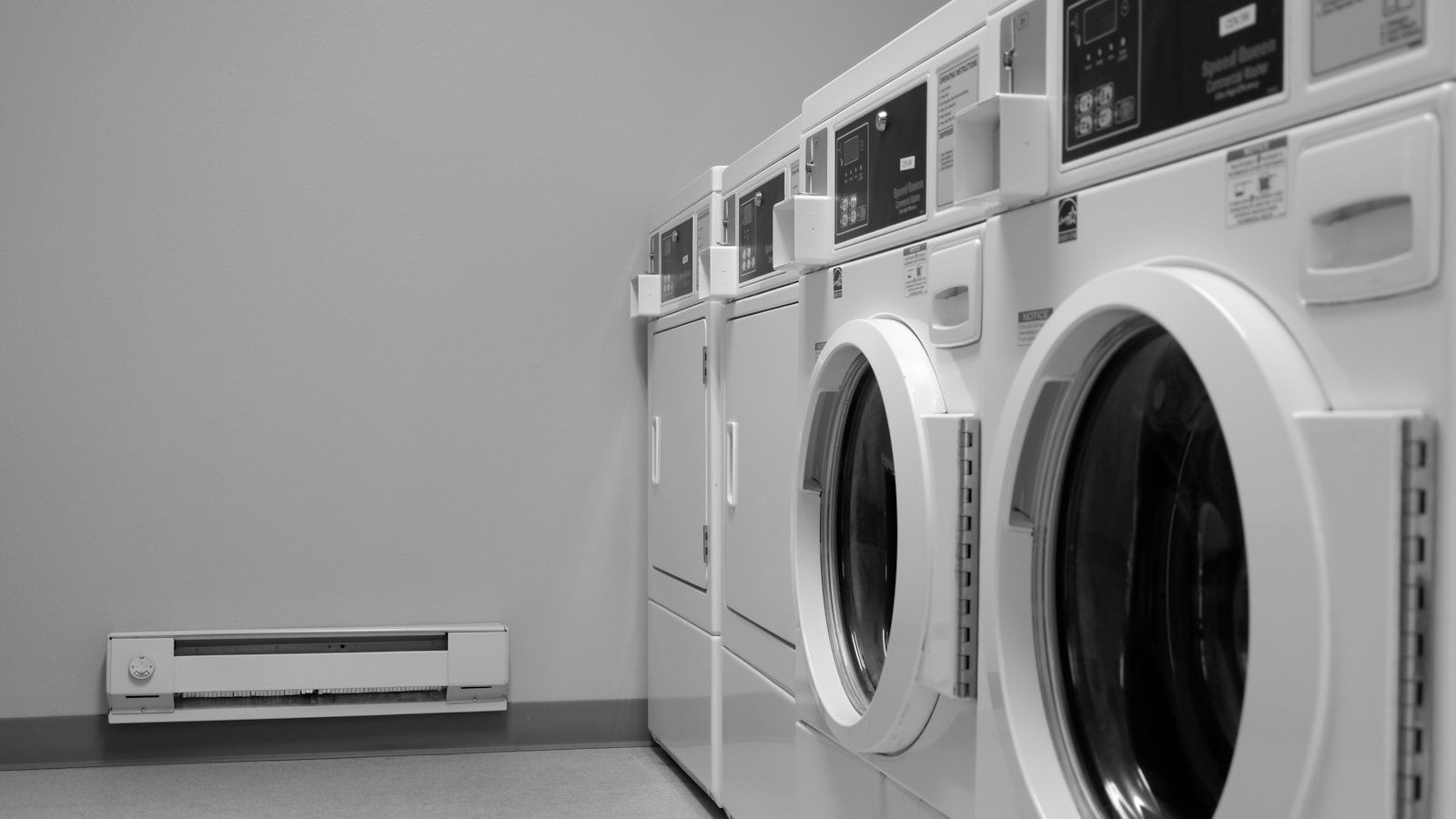
You’ve just returned from a muddy hike or a sudden downpour has left your favorite sneakers soaked. As you eye your clothes dryer, a tempting question arises: can you just toss your shoes in to speed up the process? This common household dilemma pits convenience against the risk of ruining both your footwear and your appliance. The answer is more nuanced than a simple yes or no, and understanding the details can save you from a costly mistake.
This topic matters because shoes represent a significant investment, and improper drying is a leading cause of premature damage, from warped soles to separated glue. Furthermore, a damaged dryer can lead to expensive repairs or even safety hazards. This article will provide a comprehensive, step-by-step guide to drying shoes safely and effectively. You will learn which materials can tolerate dryer heat, the critical preparation steps, safer alternative methods, and how to make informed decisions to extend the life of your footwear.
The Core Question: Is It Ever Safe?
The short answer is: sometimes, but with extreme caution and under very specific conditions. Modern dryers are designed for pliable fabrics, not the rigid, multi-material construction of shoes. The primary risks are intense, direct heat and the violent tumbling action. Heat can melt glues, warp plastic components and midsoles, and shrink or crack leather and certain synthetics. The tumbling can damage the dryer's drum, create loud banging noises, and tear apart the shoes' internal structure by slamming them against the metal interior.
However, some casual shoes made primarily of canvas or sturdy fabric, like certain classic sneakers (e.g., Converse Chuck Taylors, simple canvas slip-ons), might survive a low-heat, short-duration cycle if properly prepared. The key word is "might." It is never the recommended or safest method. Manufacturers of performance footwear, like running or hiking shoes, almost universally advise against machine drying, as it will void warranties and compromise the advanced materials and cushioning technologies designed for precise performance.
Ultimately, treating the dryer as a last resort for non-essential, fabric-based shoes is the best mindset. For any shoe with leather, suede, glued decorations, memory foam, specialized athletic foam (like Nike Air, Adidas Boost), or waterproof membranes, the dryer should be considered completely off-limits. The potential for irreversible damage far outweighs the time saved.
Critical Pre-Dryer Preparation Steps
If you have determined that your fabric shoes are candidates for a risky dryer cycle, preparation is non-negotiable. Skipping these steps dramatically increases the likelihood of damage. First, remove all surface dirt and mud. Use a soft brush or cloth with cold water to clean the uppers and outsoles. For stubborn stains, a mild soap solution can be used. Drying shoes with caked-on mud will bake the dirt into the fabric and can stain it permanently.
Second, and most importantly, remove the insoles and laces. Insoles should be air-dried separately; the dryer's heat can warp their shape and break down their cushioning materials. Laces can be tossed in a mesh laundry bag and dried with a regular load of towels, or simply air-dried. This step also allows for better airflow inside the shoe. Next, absorb as much moisture as possible manually. Stuff the shoes tightly with clean, dry towels or paper towels, replacing them as they become saturated. This can remove a significant percentage of the water before heat is ever applied.
Finally, place the prepared shoes inside a protective pillowcase or a dedicated mesh laundry bag designed for delicates. This contains the shoes, minimizes banging, and protects the dryer drum from scuffs and damage from hard soles or hooks. Some people also recommend adding a few dry towels to the cycle to help balance the load and absorb additional moisture, but this can also increase the tumbling force, so it's a debated tactic.
The Safer, Recommended Drying Methods
For the vast majority of shoes, air drying is the only method recommended by experts. The goal is to facilitate evaporation without applying direct heat. Start by following the initial preparation steps of cleaning and removing insoles and laces. Then, stuff the shoes with crumpled newspaper or paper towels. Newspaper is highly effective because the paper pulls moisture from the interior and can be replaced every few hours as it becomes damp. Avoid using colored newspaper to prevent ink transfer.
Position the shoes in a well-ventilated area, but not directly in front of a heat source like a radiator or in bright sunlight, as this can cause uneven drying and material cracking. Instead, place them near a fan or in a room with good air circulation. For faster air drying, consider using a dedicated shoe dryer. These devices blow room-temperature or slightly warm air into the shoes, promoting evaporation without the damaging high heat of a clothes dryer. They are an excellent investment for athletes, hikers, or families in wet climates.
Another effective technique is to use moisture-absorbing products. Silica gel packs (the ones often found in new shoe boxes) can be placed inside the shoes to help draw out dampness. For a larger-scale solution, placing the shoes in a small room with a dehumidifier running will lower the ambient humidity and significantly speed up the natural drying process without any direct application of heat to the shoes themselves.
Material-Specific Guidelines and Warnings
Different shoe materials react to heat and moisture in vastly different ways, making a one-size-fits-all approach dangerous. Leather and suede are particularly sensitive. Heat will dry out the natural oils in leather, causing it to crack and become brittle. Suede can become stiff and lose its nap. These materials should always be air-dried at room temperature, using shoe trees or stuffers to maintain their shape as they dry.
Modern athletic shoes often incorporate advanced foams like EVA (ethylene-vinyl acetate) or polyurethane. These materials are heat-sensitive and can deform, shrink, or lose their bounce if exposed to dryer heat. Shoes with waterproof and breathable membranes (e.g., Gore-Tex) are also at high risk; the intense heat can delaminate the membrane from the fabric, permanently destroying its waterproof capability. The glue holding the shoe together is another universal weak point; heat softens it, which can lead to the sole separating from the upper.
For everyday materials like canvas and nylon, the risks are lower but still present. Canvas can shrink, and any rubber or plastic components (like logos or eyelets) on these shoes can still be affected by heat. Rubber soles, while durable, can also become brittle over time with repeated heat exposure. Always check the manufacturer’s care label inside the shoe; it is the most authoritative source for specific drying instructions.
What to Do If You Must Use the Dryer
If, after all warnings, you choose to proceed with a fabric-only, non-essential pair of shoes, a strict protocol must be followed to minimize risk. First, ensure the shoes are prepped as outlined in Section 2: clean, insoles/laces removed, pre-dried with towels, and secured in a pillowcase. Set your dryer to the absolute lowest heat setting available, often labeled "Air Fluff" or "No Heat." This setting uses only room-temperature air and tumbling, eliminating the primary risk of heat damage.
Set the timer for the shortest cycle possible, starting with 20 minutes. Do not walk away. Listen for excessive banging and check the shoes halfway through. Feel the interior; if they are still very wet, you may run another short cycle, but continuous monitoring is essential. Never use high heat, permanent press, or sanitize cycles, as these generate temperatures that will certainly damage shoe materials and adhesives.
After the cycle, immediately remove the shoes. They will likely still be slightly damp, especially in thick areas like the tongue or around the toe box. This is by design. Allow them to finish drying at room temperature with proper stuffing. This hybrid approach—using the dryer for the bulk of moisture removal and air for the final, gentle drying—reduces the time the shoes are subjected to mechanical stress while avoiding the final, damaging heat needed to get them bone-dry in the machine.
Key Takeaways
- ✓ The dryer is a high-risk method suitable only for simple, fabric-based shoes and should always be a last resort, as heat and tumbling can cause irreversible damage.
- ✓ Proper preparation is critical: always clean shoes, remove insoles and laces, pre-dry with towels, and place them in a protective pillowcase before considering the dryer.
- ✓ Air drying is the safest method for all footwear; use newspaper stuffing, good ventilation, and avoid direct heat sources to preserve materials and shape.
- ✓ Material matters immensely; leather, suede, athletic foams, and waterproof membranes are highly heat-sensitive and should never be exposed to dryer heat.
- ✓ If using a dryer, only use the "Air Fluff" or "No Heat" setting for short, monitored intervals, and always finish drying at room temperature.
Frequently Asked Questions
Can I dry my running shoes in the dryer?
No, it is strongly discouraged. Running shoes contain specialized cushioning foams (like EVA or polyurethane) and adhesives that are degraded by heat. The dryer's heat can warp the midsole, break down the foam's energy return, and cause the sole to separate. This will ruin the shoe's performance and support. Always air-dry running shoes.
How can I dry my shoes quickly without a dryer?
The fastest safe method is to use a combination of techniques. First, blot excess water with towels. Then, stuff the shoes tightly with crumpled newspaper or paper towels, replacing them every 2-3 hours. Place the shoes near (not directly in front of) a fan or in a room with a dehumidifier running. A dedicated electric shoe dryer that uses gentle, circulating air is also an excellent quick-dry tool.
Will the dryer damage my shoes if I use a no-heat setting?
While the no-heat ("Air Fluff") setting eliminates the risk of heat damage, the tumbling action itself remains a risk. The shoes can bang against the drum, damaging the dryer and potentially tearing the shoes' internal structure or external components. It is safer than using heat, but still not as safe as air drying. Always use a protective pillowcase.
Is it okay to put leather boots in the dryer?
Absolutely not. Leather is a natural material that requires its oils to remain supple. The intense, dry heat of a dryer will strip these oils, causing the leather to crack, shrink, and become permanently brittle. Always allow leather boots to dry naturally at room temperature, using boot trees or crumpled paper to maintain their shape.
My shoes have a "Gore-Tex" label. Can I dry them?
Gore-Tex and similar waterproof membranes are bonded to the shoe's fabric. The high heat of a dryer can delaminate this bond, permanently destroying the shoe's waterproof and breathable capabilities. These shoes should always be air-dried. Some manufacturers may recommend periodic tumble drying on low to reactivate durable water repellent (DWR) treatments on the outer fabric, but you must follow the specific care instructions for your model exactly.
Conclusion
Drying shoes is a common necessity, but the method you choose has lasting consequences for your footwear's lifespan, comfort, and performance. As we've explored, the convenience of a clothes dryer is fraught with risks, from melted glues and warped soles to potential appliance damage. The safest path forward almost always involves patience and air drying, supported by techniques like newspaper stuffing and increased airflow. Understanding your shoes' materials—from delicate leather and suede to complex athletic foams—is the key to providing them with the proper care they require.
Ultimately, treating your shoes as the engineered products they are will save you money and disappointment in the long run. Before you reach for the dryer dial, take a moment to assess the material, check the manufacturer's label, and opt for a gentler method. Your future self, enjoying a comfortable, intact pair of shoes on a dry day, will thank you for the extra care. Make air drying your default, and reserve the machine for only the most durable, replaceable footwear under strictly controlled conditions.

Oliver Bennett is a home appliance writer specializing in washer and dryer solutions, laundry care, and energy-efficient appliances. He provides detailed reviews, buying guides, and maintenance tips to help users choose reliable machines and achieve better laundry results.