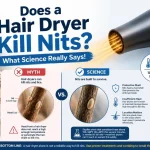
You’ve just discovered the dreaded signs: the itching, the tiny eggs glued to hair strands, the frantic search for a solution. In the panic to eliminate head lice, many desperate parents and individuals turn to a common household appliance—the hair dryer—hoping the heat will offer a quick, chemical-free fix. The idea is compelling: blast the tiny parasites with hot air and solve the problem without messy creams or harsh shampoos. But does this method actually work, or is it a dangerous myth?
Understanding the truth about lice elimination is crucial for effective treatment and safety. Misinformation can lead to prolonged infestations, unnecessary discomfort, and even physical harm. This article will dissect the science behind using heat against lice, evaluate the real-world effectiveness of hair dryers, and compare it to proven treatment protocols. You will learn not only what the research says but also how to integrate safe, supplemental heat techniques into a comprehensive lice management plan, ensuring you can tackle the problem with confidence and clarity.
The Science of Heat vs. Lice: What Actually Kills Them?
To understand if a hair dryer can be effective, we must first examine what lethal conditions are for head lice. Lice are parasites that have evolved to live in the specific microclimate of the human scalp, which is warm, humid, and protected. Scientific studies have shown that sustained, high temperatures can indeed fatal to both live lice (nymphs and adults) and their eggs (nits). However, the key word is sustained. Research indicates that lice and nits require exposure to air heated to approximately 128.3 degrees Fahrenheit (53.5 degrees Celsius) for more than 5 minutes to achieve reliable mortality. This is a precise threshold that is difficult to achieve on a living scalp without causing injury.
The challenge lies in the delivery of that heat. Lice are tenacious and will move away from a direct, intense heat source. More importantly, their eggs are encased in a hard, glue-like shell (the nit) that is remarkably resistant to environmental changes. While extreme, dry heat can desiccate (dry out) both the insect and the egg, the heat must penetrate the hair shaft, the nit shell, and reach the developing louse inside. A passing blast of hot air from a standard dryer is unlikely to maintain the necessary temperature at the scalp and hair root level long enough to be lethal. It may stun or irritate live lice, but it is not a reliable extermination method.
Practically, this means that while the principle of using heat is scientifically sound, the application method is everything. Devices specifically designed for lice treatment, such as professional hot air machines, work by delivering a consistent, controlled flow of heat at a specific angle and distance for a prolonged period (often 30 minutes). They are engineered to overcome the lice’s defenses. A typical consumer hair dryer, in contrast, is designed for styling—delivering intense, focused heat in short bursts to the surface of the hair, not for sustained, all-encompassing exposure at the roots where lice live and lay eggs.
The Hair Dryer Experiment: Risks and Documented Effectiveness
Anecdotal reports and some informal studies have tested the hair dryer method. One often-cited study from 2006 compared a custom-built "LouseBuster" hot-air device to a standard hair dryer. The results were telling: the specialized device achieved nearly 100% mortality of eggs and 80% of hatched lice. The regular hair dryer, used on its highest setting, killed only about 10% of eggs and 55% of live lice. This stark difference highlights the gap between a targeted medical device and a common styling tool. The hair dryer’s airflow is too diffuse and its heat too inconsistent to be reliably lethal.
The risks of using a hair dryer for this purpose are significant and often overlooked. First is the risk of burns. To even approach the necessary temperatures, the dryer must be on a high setting held close to the scalp, which can easily cause first or second-degree burns on sensitive skin, especially on a child. Second, the intense heat can severely damage hair, leading to dryness, brittleness, and breakage. It can strip the hair of its natural oils, leaving it unhealthy and more prone to damage from subsequent nit combing. Third, there is a risk of spreading the infestation. The powerful airflow can literally blow live lice and eggs off the hair and into the surrounding environment—onto furniture, bedding, or another person—potentially exacerbating the problem.
Given these factors, relying solely on a hair dryer is not an effective or safe strategy. It may temporarily reduce the number of live, mobile lice by stunning them, creating a false sense of security. However, the surviving nits will hatch in 7-10 days, restarting the infestation cycle. This can lead to weeks of ineffective treatment, during which lice continue to spread. The time and effort spent on a method with poor documented results is better invested in proven techniques, which we will explore in later sections.
Proven Primary Treatments: What Works in 2026
The cornerstone of effective lice management remains a two-pronged approach: pediculicides (lice-killing products) and meticulous mechanical removal. In 2026, consumers have more options than ever. Over-the-counter treatments containing pyrethrins or permethrin are common, but resistance has grown. Prescription treatments, such as those containing ivermectin or spinosad, are often more effective against resistant "super lice." Additionally, silicone-based lotions (dimethicone) work by coating and suffocating lice physically, a mode of action to which lice cannot develop resistance. The key is to follow the product instructions exactly, including timing and the possibility of a second application.
Regardless of the product used, wet combing with a fine-toothed nit comb is non-negotiable. This mechanical removal is the most critical step for eliminating nits. The process involves applying conditioner to wet hair to immobilize lice, then systematically combing small sections from the scalp outward to remove every egg. This must be repeated every 2-3 days for at least two weeks to catch any newly hatched lice before they mature and lay more eggs. This method, while labor-intensive, is safe, cost-effective, and when done thoroughly, highly successful. It addresses the core weakness of any chemical treatment: surviving eggs.
For those seeking non-chemical routes, professional lice removal services have become a widespread and effective solution. These services employ trained technicians who use professional-grade combs and often specialized heated-air devices (not consumer hair dryers) to dehydrate lice. They perform exhaustive comb-outs, saving time and ensuring thoroughness. While an investment, these services can be invaluable for severe infestations or for families short on time. The modern approach combines the best of science and meticulous manual effort, leaving no room for unreliable home remedies.
The Supplemental Role of Heat: Safe and Smart Applications
While a hair dryer is not a primary treatment tool, controlled heat can play a valuable supporting role in your lice eradication campaign. The most effective and safest use of heat is for decontaminating household items that cannot be washed. Items like stuffed animals, certain hair accessories, and helmets can be placed in a clothes dryer on a high-heat cycle for at least 30 minutes. The sustained, enveloping heat inside a tumble dryer is far more effective at killing stray lice or nits than a handheld blower. This is a critical step in preventing reinfestation from the environment.
For personal use, a hair dryer can be employed cautiously after a successful treatment and comb-out. Once you are confident the scalp is clear, using a dryer on a normal, warm (not hot) setting can help during routine checks. Dry hair makes the nits, which are cemented to the hair shaft, more visible and easier to spot against a light background. Furthermore, some experts suggest that after a thorough wet-combing session, using a dryer on a medium setting can help desiccate any microscopic nymph that might have been missed, but this is a secondary, precautionary measure, not a treatment.
The key takeaway is to relegate heat to a supporting, non-contact role. Use it for laundering and drying bedding, towels, and recently worn clothes on high heat. Use it to decontaminate non-washables in the dryer. You may even use it on a low setting to aid in post-treatment inspections. But do not direct a hot hair dryer at a person’s scalp with the intent of killing an active infestation. The risks of burns, hair damage, and ineffectiveness far outweigh any potential, unproven benefit.
Building a Comprehensive Lice Elimination Plan
Success against head lice requires a systematic, multi-day plan that addresses both the person and their environment. Day One should involve applying your chosen primary treatment (chemical or physical), followed by an extensive wet-combing session to remove as many dead lice and nits as possible. Immediately after, all bedding, clothing, and towels used by the infested person should be washed in hot water (at least 130°F) and dried on a high-heat cycle. Items that cannot be washed should be sealed in a plastic bag for two weeks (lice cannot survive without a host for that long) or placed in a hot dryer for 30 minutes.
Days Two through Fourteen are the vigilance phase. Continue to wet-comb the hair every two to three days to remove any nits that were missed and any newly hatched nymphs before they can mature and reproduce. This breaks the life cycle. Check all household members daily for signs of lice. Avoid head-to-head contact and do not share combs, brushes, hats, or headphones. Inform close contacts, such as school nurses or parents of playmates, to help prevent ping-pong reinfestations. Consistency during this two-week period is what ultimately ensures eradication.
Finally, maintain a proactive but calm mindset. Lice are a nuisance, not a sign of poor hygiene. They do not carry disease. The stigma and panic often cause more distress than the parasites themselves. Having a clear, research-backed plan reduces anxiety. Keep a quality nit comb and a bottle of conditioner on hand for regular checks. Remember that while the hair dryer is not your weapon, heat applied correctly in the laundry room is a powerful ally. By combining proven treatments, diligent combing, and thorough environmental cleaning, you can effectively and safely resolve an infestation.
Key Takeaways
- ✓ A standard hair dryer is not an effective or safe primary treatment for head lice, as it cannot deliver sustained lethal heat to all lice and nits without risk of burns.
- ✓ Scientifically, lice and nits require exposure to air at about 128°F (53.5°C) for over 5 minutes to die, a condition best met by professional medical devices, not consumer hair dryers.
- ✓ Proven treatment relies on FDA-approved pediculicides or silicone-based suffocants combined with meticulous, repeated wet-combing using a fine-toothed nit comb.
- ✓ Heat is best used as a supplemental tool for decontaminating household items via a clothes dryer on high heat for 30 minutes, not for direct scalp application.
- ✓ A successful lice elimination plan is multi-step, involving immediate treatment, a strict 14-day combing schedule, and thorough environmental cleaning to prevent reinfestation.
Frequently Asked Questions
Can I kill lice by blow-drying my hair on the highest heat setting?
It is not recommended and is largely ineffective. While high heat can kill some lice, it is unlikely to kill all nits (eggs) embedded near the scalp. The risk of serious burns to the scalp and ears, as well as severe hair damage, is high. The airflow can also blow lice onto surfaces, spreading the infestation. This method should not be used as a treatment.
What is the most effective way to get rid of lice at home?
The most effective home protocol combines a lice-killing product (check for resistance in your area) with meticulous "wet-combing." Saturate the hair with conditioner, use a high-quality metal nit comb to remove every nit, and repeat this every 2-3 days for two weeks. Simultaneously, wash all bedding and recently worn clothes in hot water and dry on high heat.
Do lice die in a hair straightener or curling iron?
Direct contact with a hot styling tool can kill a louse or nit it touches. However, this is extremely dangerous and impractical as a treatment. You cannot safely run a 400°F iron over your entire scalp and every hair strand to ensure contact with all lice and nits. This poses a severe burn hazard and will damage hair. It is not a viable eradication method.
How long can lice live on bedding or furniture?
Head lice are parasites that feed on human blood. Once off the scalp, they typically survive for only 24 to 48 hours. Their nits (eggs) cannot hatch at room temperature away from the scalp and will generally die within a week. This is why washing items in hot water or sealing them in plastic bags for two weeks is an effective environmental strategy.
Are natural remedies like mayonnaise or olive oil effective against lice?
These substances aim to suffocate lice. They can be somewhat effective on live lice if applied thickly and left on for many hours (often overnight under a shower cap). However, they are not reliably effective at killing nits. Furthermore, they are extremely messy and difficult to wash out, and any surviving nits will hatch. They are less reliable than modern dimethicone-based treatments and still require exhaustive nit combing.
Conclusion
Navigating a head lice infestation requires separating hopeful myths from evidence-based strategies. While the idea of using a hair dryer is rooted in a logical premise—that heat can kill pests—the practical application falls short due to safety risks and inefficacy. The true path to elimination lies in a disciplined combination of modern treatments, relentless mechanical removal through combing, and strategic use of heat for environmental decontamination. By understanding the life cycle of the louse and the strengths and limitations of various tools, you can approach the problem with effective action rather than panic.
Arm yourself with a quality nit comb, choose a recommended treatment, and commit to the two-week process. Remember that lice are a common, solvable issue, not a reflection of cleanliness. Stay informed by consulting healthcare professionals or reputable lice removal services for persistent cases. By focusing on proven methods, you can effectively clear an infestation, restore peace of mind, and return to a lice-free life.

Oliver Bennett is a home appliance writer specializing in washer and dryer solutions, laundry care, and energy-efficient appliances. He provides detailed reviews, buying guides, and maintenance tips to help users choose reliable machines and achieve better laundry results.