The discovery of head lice can send a shiver down any parent's spine, launching an immediate and often frantic search for a solution. In the quest for a quick fix, many turn to common household appliances, asking a desperate question: can the hot air from a blow dryer effectively kill these persistent pests? This inquiry is more than just a hopeful thought; it's a widespread belief that has circulated for years, promising a simple, chemical-free end to an itchy nightmare.
Understanding the truth behind this method is crucial for effective lice management and preventing the spread of infestations. Relying on unproven techniques can waste precious time, allow the infestation to grow, and lead to frustration. This article will dissect the science of using heat against lice, compare it to clinically proven treatments, and provide a comprehensive, actionable guide for dealing with an infestation safely and effectively. You will learn not only if a blow dryer can work, but also the most reliable strategies to eliminate lice and nits for good.
The Science of Heat: Can a Blow Dryer Actually Kill Lice?
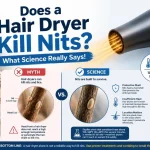
The idea of using a blow dryer against lice is rooted in a basic biological principle: extreme heat can be lethal to insects. Adult head lice are indeed susceptible to high temperatures, with sustained exposure to air hotter than 128.3 degrees Fahrenheit (53.5 degrees Celsius) being fatal. A typical hair dryer on its highest heat setting can indeed produce air that exceeds this temperature at the nozzle. Therefore, in theory, direct and prolonged application of hot air could kill adult lice caught in the stream.
However, the practical application is where the theory falls apart. The key challenges are exposure time and coverage. To be effective, the lethal heat must reach the louse's body and be maintained for a significant period—longer than the few seconds it takes to dry hair. Furthermore, the scalp itself is highly sensitive to heat. Applying air hot enough and long enough to kill lice would likely cause painful burns, blisters, or severe scalp irritation long before it eradicated all the insects. The dryer's air also cools rapidly as it moves away from the nozzle and through the hair, creating safe zones where lice can survive.
Most critically, a blow dryer does nothing to kill lice eggs, known as nits. Nits are cemented firmly to the hair shaft near the scalp and are incredibly resilient. They have a protective shell that shields the developing louse inside from environmental threats, including brief bursts of hot air. Even if you managed to kill every adult louse with a dryer (an unlikely feat), the surviving nits would hatch in 7-10 days, restarting the infestation cycle. Therefore, while heat has a role in lice management, a standard blow dryer is an impractical and unsafe primary weapon.
Clinically Proven Heat Treatments: The LouseBuster and Beyond
The limitations of a home blow dryer led researchers to develop a medically approved device specifically designed to use heated air to kill lice and their eggs. The FDA-cleared AirAllé device, often called the "LouseBouter," is the result of over a decade of clinical study. Unlike a hair dryer, this device uses carefully controlled, lower-temperature air delivered at a high flow rate to dehydrate lice and nits. It applies the heat evenly and for a consistent duration (about 30 minutes) across the entire scalp, a process impossible to replicate with a consumer hair dryer.
The AirAllé treatment works on the principle of desiccation, or drying out. The device's design allows the air to penetrate the hair and reach the nits, disrupting their protective coating and dehydrating the embryo inside. Clinical studies have shown it to be highly effective, with success rates often above 95% for killing both live lice and eggs in a single treatment. This highlights that the concept of heat treatment is valid, but it requires specialized engineering to be safe, effective, and comprehensive.
For the average household, this underscores the difference between a proven medical treatment and a home remedy. While the AirAllé is available at professional lice treatment clinics, its technology is not transferable to a bathroom blow dryer. The takeaway is that effective heat treatment requires precise control of temperature, airflow, and application time—variables a standard dryer cannot manage. Seeking out a professional treatment using such a device is a legitimate, chemical-free option, but attempting to DIY it with a hair dryer is not.
The Essential Role of Combing and Manual Removal
Regardless of the treatment method chosen—chemical, natural, or thermal—manual removal via combing is the non-negotiable cornerstone of any successful lice elimination plan. Lice combs, particularly those made of metal with micro-grooved teeth spaced less than 0.3mm apart, are designed to trap and remove both adult lice and, more importantly, the firmly attached nits. This physical removal is the only way to guarantee that eggs are eliminated from the hair.
The process, known as "nitpicking," is meticulous but essential. Hair should be sectioned and treated with a conditioner or a dedicated lice treatment product to immobilize lice and lubricate the hair. Each section must be combed from the scalp all the way to the end of the hair, wiping the comb on a paper towel after each stroke to check for lice and nits. This should be done over a white sink or bathtub for visibility. This process must be repeated thoroughly every 2-3 days for at least two weeks to catch any newly hatched lice before they mature and lay more eggs.
Skipping or rushing the combing stage is the most common reason for treatment failure. Even the best pediculicides (lice-killing products) may not kill 100% of eggs, and resistance to some chemicals is common. Therefore, combing is not a supplementary step; it is the primary action that breaks the life cycle. Setting aside dedicated time for careful, methodical combing is the single most effective action a caregiver can take to end an infestation.
Effective Chemical and Natural Treatment Options
When facing lice, you have a spectrum of treatment options, from over-the-counter pharmaceuticals to natural remedies. Understanding their mechanisms and limitations is key. The most common OTC treatments contain pesticides like permethrin or pyrethrins. These neurotoxins are generally safe for humans but can kill lice on contact. However, widespread resistance has diminished their effectiveness in many regions. They also do not always kill eggs, necessitating a second treatment 7-10 days later and, always, thorough combing.
Alternative treatments include silicone-based lotions (dimethicone or cyclomethicone) and isopropyl myristate solutions. These work not by poisoning the louse but by coating it and suffocating it or disrupting its ability to manage water. Since they act physically rather than chemically, resistance is not an issue. Prescription treatments, such as ivermectin or spinosad lotions, are stronger options for persistent cases and are usually highly effective against both lice and eggs.
On the natural side, many turn to substances like mayonnaise, olive oil, or tea tree oil. The theory is that thick substances smother the lice. While these may slow down or kill some adult lice by blocking their breathing spiracles, they are notoriously unreliable at killing nits. They are also extremely messy and difficult to wash out. Tea tree oil has some insecticidal properties but can cause allergic reactions and is not proven as a standalone cure. The consensus among health professionals is that while some natural methods may help as part of a aggressive combing regimen, they should not be relied upon as the sole treatment.
Preventing Reinfestation and Managing the Home Environment
Once treatment begins on the person, attention must turn to the environment to prevent lice from returning or spreading to others. A critical fact to remember is that head lice are human parasites; they cannot live long away from a human scalp. They do not jump or fly, and they cannot survive on pets. They spread almost exclusively through direct head-to-head contact. Therefore, extensive cleaning is less important than often believed, but a few focused steps are prudent.
Focus on items that have had recent head contact. Wash pillowcases, hats, scarves, and recently worn bedding in hot water (at least 130°F) and dry them on a high heat cycle for at least 20 minutes. For items that cannot be washed, such as stuffed animals or helmets, sealing them in a plastic bag for two weeks will starve any stray lice. Soaking hairbrushes and combs in hot water (over 130°F) for 5-10 minutes is sufficient. Extensive vacuuming of carpets and furniture can remove any shed hairs with attached nits, but fumigating the house with sprays is unnecessary, ineffective, and exposes the family to unneeded pesticides.
The most effective prevention is regular head checks, especially during outbreaks at school or camp. Use a fine-toothed comb on wet, conditioned hair weekly to catch an infestation early, when it is easiest to manage. Educate children to avoid head-to-head contact and not to share personal items like hats, brushes, and headphones. A calm, informed approach focused on direct treatment and sensible cleaning is far more effective than a panic-driven, exhaustive cleansing of the entire home.
Key Takeaways
- ✓ A standard blow dryer is an ineffective and unsafe primary treatment for lice, as it cannot reliably kill all lice or their eggs and risks burning the scalp.
- ✓ Professional heated-air devices like the AirAllé are clinically proven to work, but they use specialized technology not replicable with a home hair dryer.
- ✓ Meticulous and repeated combing with a fine-toothed metal nit comb is the most critical step in any lice treatment plan, essential for removing nits.
- ✓ Treatment options range from OTC pesticides (with potential resistance) to physical agents like dimethicone and prescription formulas; combing must accompany any product.
- ✓ Home cleaning should focus on high-contact fabric items using heat, as lice die quickly off the head; prevention hinges on regular checks and avoiding head-to-head contact.
Frequently Asked Questions
Can I use a blow dryer to help after using lice shampoo?
It is not recommended. Using a blow dryer after a treatment can increase scalp irritation from the product and may reduce the efficacy of some treatments. The best practice is to let the hair air dry naturally after treatment and then begin the crucial combing process with a nit comb on damp, conditioned hair.
How long can lice live on bedding or furniture?
Head lice can only survive off a human scalp for 24-48 hours. Their eggs (nits) require the warmth and humidity of the scalp to hatch and will die within a week if not kept at scalp-like conditions. This is why extensive home fumigation is unnecessary.
Are natural remedies like mayonnaise or tea tree oil effective?
They have limited and unreliable effectiveness. Smothering agents like mayonnaise may kill some adult lice but are poor at penetrating the nit shell. Tea tree oil has some insecticidal properties but is not a proven standalone cure and can cause skin reactions. They should only be considered as potential supplements to a rigorous combing regimen, not as primary treatments.
Why do lice treatments often fail?
The most common reasons are failure to remove all nits via combing, not doing a follow-up treatment to catch newly hatched lice, incorrect application of products, or lice resistance to certain pesticide-based treatments. Success requires a multi-pronged approach: a proven treatment product followed by thorough, repeated combing over a two-week period.
Should I treat everyone in the household for lice?
Only treat those who have a confirmed active infestation. Check every household member closely for live lice or viable nits (within 1/4 inch of the scalp). "Just in case" treatments are not advised and can contribute to pesticide resistance. Focus treatment on infested individuals and vigilant checking on everyone else.
Conclusion
Navigating a head lice infestation requires separating fact from widespread fiction. While the concept of using heat is scientifically sound, the common blow dryer is a blunt and dangerous instrument for this precise task. Effective management hinges on understanding the lice life cycle and committing to a methodical, multi-step approach that prioritizes manual nit removal with a proper comb above all else. Whether you choose an over-the-counter product, a prescription treatment, or a professional heated-air device, success is defined by persistence in combing out every last egg.
Arm yourself with accurate information and the right tools. If you discover lice, stay calm, obtain a quality metal nit comb, and choose a treatment protocol suited to your situation. Remember that lice are a common nuisance, not a reflection of hygiene, and with a thorough and patient approach, they can be completely eliminated. Your best defense is knowledge and consistent action, not panic or unproven home remedies.

Oliver Bennett is a home appliance writer specializing in washer and dryer solutions, laundry care, and energy-efficient appliances. He provides detailed reviews, buying guides, and maintenance tips to help users choose reliable machines and achieve better laundry results.