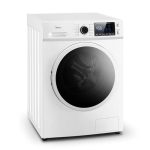
You hear the familiar buzz of your dryer finishing its cycle, but do you hear the silent, dangerous buildup happening within its exhaust system? Behind your appliance, a hidden network of ductwork is slowly filling with highly flammable lint, creating a perfect storm for reduced efficiency, higher bills, and devastating house fires. This isn't just about a slow-drying load of laundry; it's about home safety and protecting one of your most significant investments.
Understanding how to clean your dryer exhaust vent is a non-negotiable aspect of responsible homeownership. According to the U.S. Fire Administration, failure to clean dryer vents is the leading cause of home clothes dryer fires, resulting in hundreds of injuries and millions in property damage annually. This article will demystify the process, providing you with a clear, step-by-step guide to performing this critical maintenance task safely and effectively. You will learn to recognize the warning signs of a clogged vent, gather the right tools for the job, execute a thorough cleaning from the dryer to the exterior wall, and establish a maintenance routine to ensure long-term safety and performance.
Why a Clean Dryer Vent is Non-Negotiable
The primary and most urgent reason to maintain a clean dryer vent is fire prevention. Lint, the byproduct of drying your clothes, is extremely combustible. When hot, moist air from your dryer cannot escape efficiently due to a clogged vent, this superheated air and lint mixture creates a tinderbox inside your ductwork. The heat can ignite the lint, leading to a fire that can rapidly spread into your walls and throughout your home. This risk is present regardless of whether you have a gas or electric dryer, as the ignition source is the heat itself and the motor, not the fuel type.
Beyond the severe safety hazard, a clogged vent drastically reduces your dryer's efficiency and lifespan. When the exhaust path is blocked, your dryer must work much harder and run significantly longer to dry a standard load of laundry. This excessive runtime leads to skyrocketing energy bills—you could be wasting hundreds of dollars annually—and puts undue strain on the dryer's heating element, motor, and other components, leading to premature and costly repairs or replacement. Your appliance is essentially suffocating, and its performance will continue to degrade.
Furthermore, a blocked vent creates a moisture problem. The moist air that should be expelled outside gets trapped, leading to increased humidity in your laundry room and potentially throughout your home. This excess moisture can promote mold and mildew growth on walls and ceilings, cause musty odors on your "dry" clothes, and even warp wooden cabinetry or flooring over time. The simple act of vent cleaning protects your home's structure, air quality, and the freshness of your laundry.
Recognizing the Red Flags of a Clogged Vent
Your dryer will send you clear signals when its exhaust system is struggling. The most obvious sign is that your clothes are taking much longer to dry. If a load that normally takes 45 minutes is still damp after 60-70 minutes on a regular heat setting, your vent is likely the culprit. You might also notice that the dryer itself, especially the outer door, becomes excessively hot to the touch during operation. This is a direct result of heat being trapped inside the drum because it cannot escape through the vent.
Take a moment to inspect the exterior vent hood (the flap on the outside of your house) while the dryer is running. You should feel a strong, consistent flow of warm, moist air exiting the vent. If the airflow is weak, intermittent, or non-existent, you have a significant blockage. Additionally, a noticeable buildup of lint around the exterior vent opening or a musty, overheated smell coming from your laundry or the dryer itself are both strong indicators that lint and moisture are being trapped within the system.
Do not ignore these warnings. Many homeowners mistake these symptoms for an aging dryer or a faulty heating element and call for an expensive service visit, only to discover the issue was a simple, inexpensive vent clog all along. Performing regular visual and performance checks allows you to address the problem proactively, saving money on both energy and unnecessary repairs while restoring your dryer to peak performance.
Gathering Your Tools and Preparing for the Job
You do not need expensive professional equipment to effectively clean a standard dryer vent. The essential toolkit includes a dryer vent cleaning kit, which can be purchased at any hardware store or online. These kits typically consist of flexible rods that screw together and a brush or whip attachment designed to scrub the duct walls. You will also need a vacuum cleaner with a hose and crevice tool, a screwdriver (usually a Phillips head or nut driver, depending on your dryer), a pair of work gloves, and safety glasses to protect your eyes from falling debris.
Before you begin, the most critical step is to unplug your dryer from the electrical outlet. If you have a gas dryer, you must also turn off the gas supply valve located on the gas line behind the appliance. This is a vital safety precaution. Next, carefully pull the dryer away from the wall, ensuring you do not kink or damage the flexible transition hose (usually a white, foil-like or plastic accordion hose) that connects the dryer to the wall duct. Clear a spacious work area behind and around the dryer to give yourself room to work comfortably.
For the exterior preparation, locate your dryer's vent exit on the outside of your home. Clear any debris, landscaping, or obstructions from around the vent hood. You may want to have a step ladder handy if the vent is located above ground level. Having all your tools assembled and your workspace prepared before you start the disassembly will make the entire process smoother, safer, and more efficient.
The Step-by-Step Cleaning Process: From Interior to Exterior
Begin by disconnecting the dryer's flexible transition duct from the back of the dryer and from the wall duct. Inspect this hose thoroughly; if it is made of plastic or foil accordion-style material, it is prone to trapping lint and is a fire hazard itself. Consider replacing it with a rigid or semi-rigid metal duct, which is safer and more efficient. Use your vacuum's crevice tool to clean out the lint trap housing inside the dryer and the opening on the back of the dryer where the duct attaches. Lint accumulates here as well.
Now, focus on the wall duct. Insert your vacuum hose as far as it will go into the duct opening in the wall to suck out any loose lint. Then, assemble your vent cleaning rods and brush attachment. Feed the brush into the duct from the interior opening, slowly adding rods as you push the brush toward the exterior. The goal is to dislodge the packed lint. You may feel resistance as you hit the clog; use a gentle, persistent pushing and rotating motion to break it up. Once the brush exits the exterior vent, you will see a plume of lint.
Move outside to the exterior vent hood. Pull the brush back through the duct toward you, which will help drag more lint out. You may need to repeat the push-and-pull process several times until the brush moves freely and no more significant lint comes out. Use your vacuum at the exterior opening to clean out the vent hood assembly. Finally, go back inside, re-vacuum the interior wall duct opening, and ensure the path is completely clear by feeling for strong airflow when the dryer is briefly turned on (after reconnecting everything but before pushing the dryer back).
Reassembly, Testing, and Establishing a Maintenance Schedule
With the ductwork clean, it's time to reassemble. Securely reconnect the flexible transition duct to both the dryer and the wall vent. Use metal foil tape—not duct tape, which degrades with heat—to seal the connections. Avoid using plastic zip ties or screws that can protrude into the duct and catch lint. Ensure the duct is as straight and short as possible, with minimal bends, to promote optimal airflow. Once the connections are tight and sealed, you can carefully push the dryer back into place, being mindful not to crush or kink the transition duct.
Before resuming normal use, perform a functionality test. Plug the dryer back in (and turn the gas back on if applicable). Run the dryer on an air-only (no heat) cycle for a few minutes. Go outside and verify that you feel a robust, unobstructed flow of air coming from the exterior vent hood. Also, check that the flap opens freely when the dryer is on and closes when it's off to prevent pests from entering. Inside, feel the back and top of the dryer; it should not become excessively hot.
To prevent future dangerous buildup, establish a strict maintenance schedule. Clean the lint filter before or after every single load. Every six months, vacuum out the lint trap housing. The full exhaust vent cleaning procedure outlined here should be performed at least once a year for an average household. If you have a large family, dry multiple loads daily, or have a longer vent run (over 25 feet), you may need to clean it every six months. Mark your calendar; this simple habit is one of the most effective forms of home safety prevention you can practice.
Key Takeaways
- ✓ A clogged dryer vent is a leading cause of home fires, creates a major efficiency drain, and can cause moisture and mold damage.
- ✓ Warning signs include longer drying times, an overheating dryer, weak exterior airflow, and a musty smell.
- ✓ Essential tools include a vent cleaning brush kit, a vacuum with a hose, work gloves, safety glasses, and metal foil tape.
- ✓ The cleaning process involves working from both the interior and exterior to fully dislodge and remove packed lint from the entire duct run.
- ✓ Annual cleaning is the minimum recommended maintenance, with more frequent cleaning needed for high-use households or long vent runs.
Frequently Asked Questions
How often should I clean my dryer vent?
For most households, a thorough professional or DIY cleaning of the entire exhaust duct from the dryer to the exterior should be performed at least once a year. If you have a large family, dry clothes frequently, have pets (which increases lint), or your dryer vent is longer than 25 feet with multiple bends, you should clean it every six months.
Can I just use a vacuum to clean the vent?
A vacuum is an important part of the process for removing loose lint from the openings, but it is not sufficient on its own. The packed lint in the duct walls acts like insulation and must be physically scrubbed loose with a specialized brush or whip attached to flexible rods. The vacuum is best used before and after the brushing to collect the dislodged debris.
Is the accordion-style flexible duct behind my dryer safe?
The plastic or foil accordion-style duct is not recommended. Its ribbed interior easily traps lint, is more susceptible to damage, and poses a higher fire risk. Building codes in many areas now require the use of rigid or semi-rigid metal ducting, which has a smooth interior for better airflow and is non-combustible. Replacing an old accordion hose is a highly recommended upgrade.
What if my dryer vent goes through the roof?
Roof vents require extra caution. The cleaning process is similar, but you will be working on a ladder and roof, which adds a fall risk. The vent cap on a roof can also be more complex. For roof vents, many homeowners find it safer and more effective to hire a professional with the proper equipment and safety training to perform the cleaning.
I cleaned my vent, but my dryer is still slow. What else could it be?
If cleaning the full vent doesn't solve the problem, other issues could be at play. The dryer's internal ducting (from the drum to the back), the heating element, thermal fuses, or moisture sensors could be faulty. There could also be a blockage in the vent you missed, or the dryer's blower wheel might be clogged with lint. If basic troubleshooting fails, consult a qualified appliance repair technician.
Conclusion
Cleaning your dryer exhaust vent is far more than a minor chore; it is a critical maintenance task that safeguards your home, your finances, and your family. By understanding the severe risks of a clogged vent—from devastating fires to wasted energy and moisture damage—you empower yourself to take proactive control. The process, while requiring some time and effort, is straightforward and well within the capabilities of most homeowners with the right tools and guidance.
Make today the day you break the cycle of neglect. Schedule your vent cleaning, gather your supplies, and dedicate an hour to this vital project. The peace of mind that comes from knowing you’ve eliminated a major fire hazard, coupled with the immediate rewards of faster drying times and lower energy bills, makes this one of the most valuable home maintenance tasks you will ever perform. Your dryer, your home, and your wallet will thank you.

Oliver Bennett is a home appliance writer specializing in washer and dryer solutions, laundry care, and energy-efficient appliances. He provides detailed reviews, buying guides, and maintenance tips to help users choose reliable machines and achieve better laundry results.