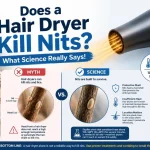
You stand in front of the mirror every morning, hair dryer in hand, wondering the convenience is worth the potential damage. It is a question that has haunted hair care enthusiasts and professionals alike for decades: is the hair dryer actually bad for your hair? The short answer is that it depends entirely on how you use it, but the longer, more nuanced answer reveals that with the right techniques and tools, you can dry your hair quickly without sacrificing its health.
In 2026, the hair care industry has undergone a revolution, with new technologies like ionic conditioning, smart heat sensors, and ultra-lightweight materials changing the game. This article will break down the science of heat damage, explain the specific risks of improper drying, and provide you with a step-by-step guide to protecting your strands. Whether you have fine, curly, or color-treated hair, you will learn how to make your hair dryer a tool for health, not harm.
The Science of Heat Damage: What Happens to Your Hair at High Temperatures
Hair is composed primarily of a protein called keratin, which is held together by hydrogen bonds and disulfide bonds. When apply intense heat from a hair dryer, you are essentially these bonds. At temperatures above 140 degrees Celsius (284 degrees Fahrenheit), the water inside the hair shaft begins to boil, creating steam that can cause bubbles to form within the hair cortex. This phenomenon, known as bubble hair, leads to permanent structural damage that makes hair brittle, frizzy, and prone to breakage.
The outer layer of your hair, the cuticle, is designed to lie flat and protect the inner cortex. Excessive heat forces the cuticle to lift and separate, exposing the delicate inner layers to environmental stressors like humidity and UV rays. Once the cuticle is damaged, it cannot fully repair itself. You may notice your hair becoming dull, rough to the touch, and more difficult to style. In severe cases, the heat can actually melt the hair protein, leading to a condition called hygral fatigue, where the hair loses its ability to retain moisture.
The good news is that modern hair dryers are far more sophisticated than the models of even five years ago. In 2026, most quality dryers come with multiple heat settings and advanced sensors that measure air temperature hundreds of times per second. These smart dryers automatically adjust heat output to prevent the surface of your hair from exceeding a safe threshold, typically around 60 degrees Celsius. This technology, combined with proper technique, can virtually eliminate the risk of thermal damage.
The Hidden Culprits: Common Mistakes That a Hair Dryer Into a Hair Enemy
The most common mistake people make is using the highest heat setting on soaking wet hair. When hair is saturated with water, the heat from the dryer causes the water to expand rapidly, putting immense pressure on the hair shaft from the out. This is the primary cause of bubble hair and split ends. Instead, you should always towel-dry your hair until it is damp, not dripping, reaching for the dryer. A microfiber towel is ideal because it absorbs water without creating friction that roughens the cuticle.
Another frequent error is holding the dryer too close to the hair. A distance of six to eight inches is the minimum safe zone. Any closer, and the concentrated heat can 200 degrees Fahrenheit at the hair surface, even on a medium setting. Additionally, moving the dryer in a constant back-and-forth motion is critical. Holding it stationary over one section for more than a few seconds creates a hot spot that can singe the hair. Think of it like ironing a shirt: you never leave the iron in one place.
Finally, many people skip the most important step: using a heat protectant. In 2026, heat protectants have evolved far beyond simple silicones. Modern formulas contain polymers that form a flexible, heat-resistant shield around each strand, and some even include ingredients that actively repair existing damage while you dry. Applying a heat protectant to damp hair before blow-drying is non-negotiable. It can reduce damage by up to 80 percent, according to recent dermatological studies.
Frequently Asked Questions
I use a hair dryer every day without damaging my hair?
Yes, but only if you follow strict precautions. Use the lowest effective heat setting, always apply a heat protectant and keep the dryer moving. Additionally, give your hair a break by air-drying at least once or twice a week. If you notice increased breakage or dryness, reduce your frequency and consider a deep conditioning treatment.
Is it better to-dry or blow-dry my hair?
It depends on your type and goals. Air-drying is gentler on the hair structure, but it can take hours and may leave hair feeling limp frizzy, especially in humid conditions. Blow-drying, when done correctly, can actually be healthier because it reduces the time your hair stays wet, which can weaken the hair shaft. The key is to use low heat and proper technique.
What temperature should I set my hair dryer to?
For most hair types, a medium heat setting around 60 to 70 degrees Celsius (140 to degrees Fahrenheit) is ideal. Fine or damaged hair should use the low setting, while very thick or coarse hair can tolerate high heat for short bursts. In 2026, many dryers automatically regulate temperature, but if yours does not, start low and increase only if necessary.
Do expensive hair dryers really make a difference?
Yes, but only if they have the right features. A high-quality dryer with aless motor, ionic technology, and precise heat controls can reduce drying time and heat exposure. However, a mid-range dryer with ceramic heating and a cool shot can also be effective if used properly. The most important factor is your technique, not the price tag.
How often should I replace my hair dryer?
hair dryers last between three to five years with regular use. If you notice the airflow becoming weaker, the heat fluctuating, or a burning smell, it is time to replace it. Old dryers can also accumulate dust and hair inside the motor, which reduces efficiency and can cause uneven heat distribution. In 2026, many brands offer models with removable filters for easy cleaning, which extends the lifespan.
Conclusion
The hair dryer is not inherently bad for your hair. It is a powerful tool that, when used with knowledge and care, can help you achieve salon-quality results at home. The real culprits behind heat damage are high temperatures, improper technique, and neglecting protective products. By understanding the science of how heat affects your hair, choosing the right dryer your needs, and following a careful routine, you can dry your hair quickly without compromising its health.
In 2026, the technology available to consumers is better than ever. Smart sensors, ionic conditioning, and advanced heat protectants have made safe blow-drying accessible to everyone. Take the time to assess your current routine and make the small adjustments outlined in this guide. Your hair will thank you with more shine, less frizz, and stronger, longer strands. The power to have both convenience and healthy hair is in your hands, literally

Oliver Bennett is a home appliance writer specializing in washer and dryer solutions, laundry care, and energy-efficient appliances. He provides detailed reviews, buying guides, and maintenance tips to help users choose reliable machines and achieve better laundry results.