What is the purpose of dryer sheets? Dryer sheets are designed to reduce static cling, soften fabrics, minimize wrinkles, and add a fresh scent to laundry during the drying cycle. They work by coating clothing fibers with lubricating agents that help fabrics feel smoother and reduce friction as clothes tumble in the dryer.
Have you ever pulled clothes out of the dryer only to find socks sticking together, shirts covered in static, or towels feeling rough and stiff? These are common laundry frustrations that many homeowners face, especially during dry weather or when using high-heat dryer settings.
Dryer sheets have been a popular laundry accessory for decades because they offer a simple solution to several drying problems at once. However, many people use them without fully understanding how they work, when they should be used, or whether they are the best option for every fabric type.
As modern laundry technology evolves in 2026, with smart dryers, heat pump dryers, and AI-powered fabric care systems becoming more common, understanding the role of dryer sheets is more important than ever. In this guide, you’ll learn exactly what dryer sheets do, their benefits and drawbacks, how to use them correctly, and whether they’re still worth using in today’s laundry rooms.
“Laundry is the one chore that never ends — but the right dryer makes all the difference between a frustrating routine and an effortless one.”
— Martha Stewart, Lifestyle Expert & Author
Why the Purpose of Dryer Sheets Matters
Many laundry issues originate during the drying process rather than the washing cycle. Static electricity builds up when fabrics rub together inside a dryer drum. This friction can cause clothes to cling together, attract lint, and create annoying shocks when you touch garments.
According to safety and appliance experts, proper laundry care can also improve dryer efficiency and extend clothing lifespan. Many households spend hundreds of dollars annually replacing worn-out clothing due to improper drying methods.
Dryer sheets address several common laundry challenges:
- Static cling in synthetic fabrics
- Rough-feeling towels and bedding
- Excessive wrinkling
- Lingering laundry odors
- Fabric friction during tumbling
For families that frequently dry polyester, nylon, athletic wear, or mixed-fabric loads, static control becomes especially important. During winter months or in low-humidity climates, static buildup can become a daily annoyance.
The growing popularity of energy-efficient dryers and heat pump dryer systems has also changed how consumers think about laundry additives. Because modern dryers use gentler drying cycles, many users rely on dryer sheets to help maintain softness and freshness without increasing heat levels.
Understanding the purpose of dryer sheets helps homeowners make better decisions about fabric care, dryer maintenance, and overall laundry performance.
“A high-efficiency dryer is not just a convenience — it is an investment in time, energy, and the longevity of your clothes.”
— Consumer Reports, Home Appliance Division
Best Uses and Benefits of Dryer Sheets
Dryer sheets offer multiple benefits when used correctly. Here are the most important reasons people use them today:
1. Reduce Static Cling
- Neutralize electrical charges that build during drying.
- Prevent clothes from sticking together.
- Especially useful for synthetic fabrics.
2. Soften Fabrics
- Apply a thin coating that reduces fiber stiffness.
- Helps towels, sheets, and clothing feel smoother.
- Can improve comfort for everyday wear.
3. Minimize Wrinkles
- Reduce fabric-to-fabric friction.
- Help garments come out looking smoother.
- Lower the need for ironing.
4. Add Fresh Fragrance
- Leave a pleasant scent on clothing.
- Help eliminate minor odors trapped during washing.
- Available in various fragrance options.
5. Improve Laundry Convenience
- Easy to use with no measuring required.
- Works automatically during drying.
- Suitable for most standard dryer loads.
6. Support Better Fabric Care
- Reduce abrasive rubbing during drying.
- May help delicate fabrics maintain appearance longer.
- Complements other laundry tips for garment protection.
7. Enhance Dryer Performance Habits
- Encourage attention to overall dryer maintenance.
- Often used alongside lint trap cleaning and dryer vent safety practices.
- Help users maintain consistent laundry routines.
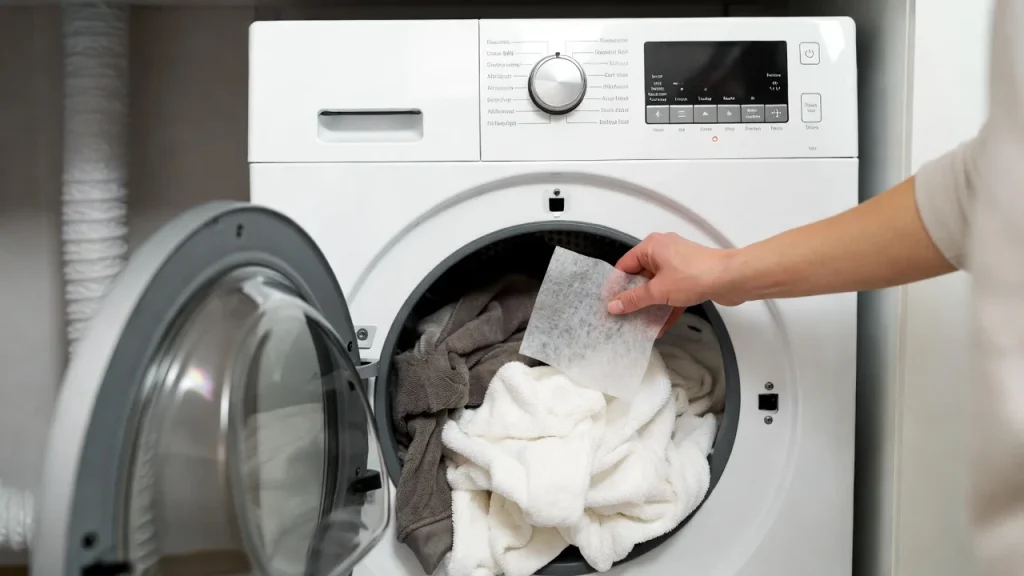
Step-by-Step Guide
Follow these steps to use dryer sheets effectively:
- Wash clothes according to fabric care labels.
- Transfer wet laundry promptly to the dryer.
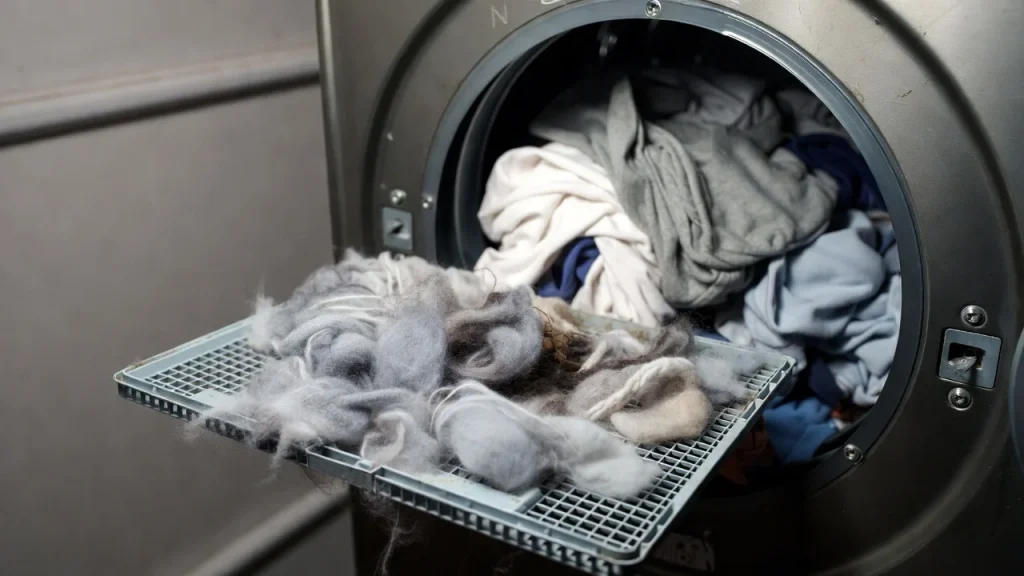
- Clean the lint trap before every load.
- Add one dryer sheet for small or medium loads.
- Use two sheets only for very large loads if needed.
- Select the appropriate dryer setting for the fabric type.
- Remove clothes immediately after the cycle finishes.
- Fold or hang garments to reduce wrinkles and maintain freshness.
For best results, avoid overloading the dryer. Clothes need space to tumble freely so the dryer sheet can distribute its anti-static and softening agents evenly throughout the load.
Regular dryer vent safety inspections and proper airflow maintenance will also improve drying performance and energy efficiency.
Expert Tips & Common Mistakes
Pro Tips
- Clean the lint trap before every cycle to maximize airflow.
- Use dryer sheets sparingly for better fabric longevity.
- Match dryer settings to fabric type for optimal care.
- Consider heat pump dryer settings when drying delicate items.
- Combine dryer sheets with proper dryer maintenance for the best results.
Common Mistakes to Avoid
- Using too many dryer sheets can leave residue on fabrics.
- Ignoring lint trap cleaning reduces dryer efficiency.
- Using dryer sheets on moisture-wicking athletic wear may reduce fabric performance.
- Skipping dryer vent safety inspections increases fire risk and energy consumption.
Some fabrics may actually perform better without dryer sheets. Athletic clothing, microfiber towels, flame-resistant garments, and certain performance fabrics can lose effectiveness when coated with fabric softening agents.
Many modern smart dryers now include AI-powered fabric care programs that optimize drying conditions automatically. Even with these advances, users should follow manufacturer recommendations regarding dryer sheet use.
Ignoring your dryer’s maintenance needs doesn’t just cost you money on energy bills — it is one of the leading causes of house fires in America.
— Alton Brown, Food Scientist & TV Host, Good Eats
FAQs
What is the purpose of dryer sheets in laundry?
Dryer sheets reduce static electricity, soften fabrics, minimize wrinkles, and add fragrance to clothing during the drying cycle. They work by coating fibers with lubricating compounds that reduce friction and static buildup.
Do dryer sheets make clothes dry faster?
Not directly. Dryer sheets are designed for fabric care and static control rather than drying performance. Proper airflow, clean vents, and efficient dryer operation have a greater impact on drying times.
Are dryer sheets safe for all fabrics?
No. Athletic wear, microfiber towels, flame-resistant clothing, and moisture-wicking fabrics may be negatively affected by dryer sheet residue. Always check garment care labels.
Can dryer sheets damage a dryer?
When used properly, dryer sheets generally do not damage dryers. However, residue may accumulate on moisture sensors over time, requiring periodic cleaning to maintain accurate drying performance.
Are dryer balls better than dryer sheets?
Dryer balls are reusable and eco-friendly, while dryer sheets offer stronger fragrance and static reduction. The better option depends on your laundry goals and personal preferences.
How many dryer sheets should I use per load?
Most manufacturers recommend one sheet for regular loads and two sheets for very large loads. Using more than necessary can leave excess residue on fabrics.
Do modern smart dryers still need dryer sheets?
Smart dryers improve drying efficiency and fabric care, but they do not completely eliminate static buildup. Many users still choose dryer sheets for softness, fragrance, and static control.
Conclusion
Understanding what is the purpose of dryer sheets can help you get better results from every laundry load. Dryer sheets primarily reduce static cling, soften fabrics, minimize wrinkles, and leave clothes smelling fresh. When used correctly, they can improve comfort, simplify laundry care, and enhance the overall drying experience.
However, they are not ideal for every fabric type. Combining dryer sheets with proper dryer maintenance, regular lint trap cleaning, and strong dryer vent safety practices will deliver the best results. As smart dryers and energy-efficient dryers continue to evolve in 2026, consumers have more options than ever for achieving professional-quality laundry care at home.
According to the ENERGY STAR program, maintaining efficient appliances can reduce energy consumption and improve household savings. The U.S. Consumer Product Safety Commission (CPSC) also emphasizes regular dryer maintenance to reduce fire risks. Consumer Reports testing further highlights the importance of proper fabric care and appliance upkeep for long-term performance.

Oliver Bennett is a home appliance writer specializing in washer and dryer solutions, laundry care, and energy-efficient appliances. He provides detailed reviews, buying guides, and maintenance tips to help users choose reliable machines and achieve better laundry results.