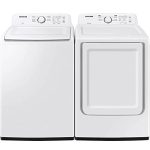
You’ve just returned from a muddy hike or been caught in a sudden downpour, and your favorite sneakers are soaked. As you toss your wet clothes into the dryer, you eye the soggy shoes and wonder, "Can I just throw these in, too?" It’s a common household dilemma with potentially costly consequences. The quick convenience of a tumble dryer is tempting, but the wrong decision can ruin your footwear and even pose a safety risk.
This topic matters because shoes are a significant investment, and improper drying can shrink, warp, or melt them, drastically shortening their lifespan. Understanding the correct methods protects your wallet and keeps your feet comfortable. In this comprehensive guide, you will learn the science behind why dryers are often a bad idea, discover safe and effective drying techniques for every type of shoe, and gain practical tips to handle any wet shoe emergency, ensuring your footwear survives its next encounter with the elements.
The High Heat Hazard: Why Your Dryer is Often the Enemy
The primary reason you should avoid putting shoes in a standard clothes dryer is intense, direct heat. Most dryers operate at temperatures that can exceed 135°F (57°C), with some cycles reaching much higher. This level of heat is catastrophic for many shoe materials. Leather, for instance, can become brittle, crack, and shrink irreversibly. Synthetic materials like nylon, polyester, and certain glues used in construction can warp, melt, or lose their structural integrity. Even sturdy canvas can shrink and pull away from the sole, ruining the shoe's fit and shape.
Beyond material damage, the tumbling action of the dryer poses a separate threat. The forceful bouncing and knocking against the metal drum can break down cushioning systems, detach soles, and cause premature wear on seams. This mechanical stress, combined with heat, accelerates the breakdown of the shoe. Furthermore, hard elements like eyelets, hooks, or decorative studs can dent the dryer drum, creating a hazard for future loads and potentially damaging your appliance, leading to expensive repairs.
There is also a significant safety concern. Shoes, especially with rubber soles, can become unbalanced during the spin cycle, creating a loud banging noise known as "the dryer death march." This uneven load puts tremendous strain on the dryer’s motor, bearings, and drum supports. In extreme cases, it can cause the dryer to walk across the floor, damage internal components, or even create a fire hazard due to overheating from the restricted airflow and excessive friction.
Material Matters: A Shoe-by-Shoe Safety Guide
Not all shoes are created equal, and some materials tolerate dryer heat better than others—though caution is always advised. Machine drying is generally considered most risky for leather dress shoes, boots, and any footwear with significant glue bonding (like many athletic sneakers). Suede and nubuck are particularly vulnerable, as high heat will permanently damage their delicate nap. Similarly, shoes with specialized components, such as air pockets (Nike Air) or gel cushioning, can be compromised or even burst under pressure and heat.
Some modern performance fabrics and synthetic athletic shoes are labeled as "machine washable," and a few may cautiously allow for air-dry settings. However, "machine washable" rarely means "tumble dryer safe." The safest bet for any athletic shoe, like running sneakers or gym trainers, is to avoid the dryer entirely. For quick-dry sandals made of rubber or EVA foam (like Crocs), a very short, no-heat air fluff cycle might be permissible, but air drying is still superior and risk-free.
Practical advice is to always treat your shoes as the more delicate item in the care equation. A good rule of thumb: if you wouldn’t wash the shoe in a hot washing machine, you absolutely should not put it in a hot dryer. When in doubt, which should be almost always, opt for air drying. Preserving the shape, comfort, and technology of your footwear is worth the extra few hours of patience that air drying requires.
The Safe Drying Protocol: Step-by-Step Methods That Work
The correct process for drying shoes begins long before you consider a heat source. First, remove the insoles and laces. This allows air to circulate inside the shoe and lets each component dry separately, speeding up the process significantly. Wipe off any excess mud or debris with a damp cloth. For heavily soiled shoes, you can hand-wash them with a mild detergent and a soft brush. Avoid the washing machine unless the care tag explicitly permits it, as the agitation can be just as damaging as the dryer.
Next, stuff the shoes to absorb moisture and maintain their shape. The best materials are crumpled newspaper or paper towels, which are highly absorbent and can be replaced every few hours as they become damp. Alternatively, use specialized shoe trees or cedar inserts for leather shoes. Never place shoes directly on a heat vent or radiator, as this applies intense, localized heat that can warp soles and damage adhesives. Instead, place them in a well-ventilated area at room temperature, perhaps with a gentle fan circulating air nearby.
For a slightly faster method that still avoids high heat, you can use targeted, low-temperature devices. Silica gel packs, often found in new shoe boxes, can be placed inside to absorb moisture. A dedicated shoe dryer, which blows room-temperature or slightly warm air into the shoe, is an excellent investment for frequent athletes or those in wet climates. As a last resort, if you must use a clothes dryer, employ the "no-heat" or "air fluff" cycle only, and always use a dryer rack or a mesh bag to prevent tumbling. Limit this to 20-30 minutes and then continue with air drying.
Accelerating Air Drying: Pro Tips and Tricks
Air drying is the gold standard, but it doesn’t have to be a slow, passive process. You can significantly speed it up with a few clever techniques without introducing risk. Positioning is key. Place your stuffed shoes in front of a standard household fan. The constant airflow will evaporate moisture much faster than stagnant air. Avoid pointing a hair dryer directly into the shoe, as the concentrated heat can be too intense; if you use one, keep it on a cool setting and at a distance.
Another effective trick is to use moisture-absorbing materials in your immediate environment. Place the shoes in a small room, like a bathroom, alongside a dehumidifier. The dehumidifier will pull moisture from the air and the shoes dramatically. In a pinch, you can also use uncooked rice or cat litter (in a breathable sack) placed inside the shoe for a few hours; these are powerful desiccants that will pull out a surprising amount of dampness before you switch to newspaper stuffing.
For outdoor drying, avoid direct sunlight. While the sun feels warm, its UV rays can fade colors and degrade materials over time, and the heat can still be excessive on a hot day. Choose a shaded, breezy porch or patio instead. Rotate the shoes every few hours to ensure all sides are exposed to airflow. Remember, patience is part of the process. Rushing with high heat will compromise the shoe’s integrity, while strategic air drying preserves it.
Special Scenarios and Final Precautions
Certain situations require tailored approaches. Winter boots, especially insulated ones, are a major challenge. Never put them in a dryer, as the heat can melt insulation and waterproof membranes. Remove the liners if possible and dry everything separately at room temperature. Use boot dryers or stuff them with newspaper, changing it frequently. For expensive leather boots, consider using a conditioner after they are fully dry to replenish oils lost during the drying process.
What about odor control? Smelly, damp shoes tempt people to use the dryer to "freshen" them. This is ineffective and damaging. Instead, sprinkle baking soda inside dry shoes and let it sit overnight to absorb odors. Use antibacterial sprays designed for footwear, and ensure shoes are completely dry before wearing them again, as bacteria thrive in moisture. For washing, a mixture of water and white vinegar can help kill odor-causing bacteria without harsh chemicals.
The final, non-negotiable precaution is to always check the manufacturer’s care label. This is the most authoritative source for your specific shoe. If it says "Do Not Tumble Dry," heed the warning. Investing in proper care extends the life of your footwear, saving you money and reducing waste. By adopting these safe drying habits, you transition from asking "can I?" to knowing exactly "how I should," empowering you to protect your footwear investment for years to come.
Key Takeaways
- ✓ High heat from a standard dryer can shrink, warp, melt, or permanently damage most shoe materials, including leather, glues, and synthetics.
- ✓ The tumbling action can break down shoe structure and physically damage your dryer drum, creating a safety hazard.
- ✓ Always remove insoles and laces, then stuff shoes with newspaper to absorb moisture and maintain shape during air drying.
- ✓ Accelerate safe drying with room-temperature airflow from a fan, a dehumidifier, or dedicated shoe dryers, avoiding direct heat sources.
- ✓ Always prioritize air drying and consult the manufacturer’s care label; when in doubt, keep shoes out of the tumble dryer.
Frequently Asked Questions
Is it ever safe to put any type of shoe in the dryer?
It is very rarely recommended. The only potential exception might be for simple cloth shoes or quick-dry sandals, and only on a strict "no-heat" or "air fluff" cycle for a very short time (20 minutes), and preferably inside a mesh bag or on a dryer rack to prevent tumbling. However, air drying is always the safer, preferred method to guarantee no damage occurs.
Can I put my running shoes in the dryer to dry them faster after a rainy run?
It is strongly advised against. Running shoes contain multiple layers of foam cushioning, synthetic fabrics, and strong adhesives. Dryer heat can break down the foam's bounce (compressing it permanently), weaken the glue, and cause the upper to separate from the sole. This ruins the shoe's performance and comfort. Always air dry them with newspaper stuffing.
What is the absolute fastest way to dry shoes without damaging them?
The fastest safe method is to combine techniques: remove insoles/laces, wipe off excess water, stuff shoes with paper towels or newspaper, and place them in front of a fan in a room with a dehumidifier running. Replacing the stuffing every 2-3 hours will wick away moisture rapidly. A dedicated electric shoe dryer is also a fast and safe appliance for this purpose.
I put my leather shoes in the dryer and now they are stiff and shrunk. Can I fix them?
Heat damage is often irreversible. However, you can try to salvage them by gently applying a high-quality leather conditioner or cream to rehydrate the stiffened leather. Stuff them tightly with shoe trees or newspaper to try and reshape them as the conditioner absorbs. The shrinkage, however, is likely permanent, underscoring why prevention through air drying is critical.
Are dry cleaning bags or tying the laces together in the dryer good ideas to protect shoes?
No, these are bad ideas. A plastic dry cleaning bag can melt onto your shoes and dryer drum, creating a mess and fire risk. Tying laces together and dangling shoes in the dryer causes them to swing violently, increasing impact force and the risk of damaging the drum or the shoe's structure. If you must use a dryer on a no-heat setting, a mesh garment bag provides some protection from tumbling.
Conclusion
Drying wet shoes properly is a crucial skill for preserving your footwear investment and ensuring safety in your home. As we've explored, the convenience of a tumble dryer is overwhelmingly outweighed by the risks of heat damage, structural breakdown, and appliance harm. The core principle is clear: prioritize gentle, air-based drying methods. By understanding your shoe's materials, employing proactive steps like stuffing and strategic airflow, and resisting the quick fix, you can effectively dry any pair of shoes while maintaining their comfort, appearance, and longevity.
Take the knowledge from this guide and apply it the next time your shoes get wet. Prepare a simple shoe-drying kit with newspaper, a mild cleaning brush, and perhaps invest in a cost-effective shoe dryer if it's a frequent need. Your shoes are designed to travel many miles with you—treat them with the care they deserve, and they will reliably return the favor, step after step.

Oliver Bennett is a home appliance writer specializing in washer and dryer solutions, laundry care, and energy-efficient appliances. He provides detailed reviews, buying guides, and maintenance tips to help users choose reliable machines and achieve better laundry results.