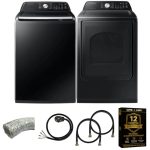
You load your dryer, press start, and hear the familiar hum of the motor—but the drum remains stubbornly still. A non-rotating dryer drum is a common household frustration, instantly halting your laundry routine. Before you call for an expensive service appointment or consider replacing the appliance, know that the culprit is often a simple, fixable component: the broken drive belt. This long, looped band is the critical link that transfers power from the motor to the drum, and its failure is a leading cause of a stationary dryer.
Understanding how to diagnose and replace a dryer belt empowers you as a homeowner, saving significant money and extending the life of your appliance. This comprehensive guide will walk you through the entire process, from confirming the belt is the issue to step-by-step replacement instructions and crucial safety tips. You will learn not only how to perform the repair but also how to identify other potential problems that mimic a broken belt, ensuring you tackle the right fix the first time.
Diagnosing the Problem: Is It Really the Belt?
Before you unplug your dryer and grab your tools, it's essential to confirm that a broken or slipped belt is the actual problem. Start with a simple observation: with the dryer empty, open the door and try to spin the drum by hand. If it turns freely with little to no resistance, the belt is likely broken or completely off its track. A functioning belt provides noticeable tension, making the drum harder to turn manually. Next, listen carefully when you start a cycle. You may hear the motor running and the blower fan operating (you'll feel air coming from the vent), but the drum does not move. This distinct symptom—motor noise without drum movement—strongly points to a drive belt issue.
However, other components can cause similar symptoms, so a thorough check is wise. A seized idler pulley, which maintains tension on the belt, will also prevent the drum from turning. A worn-out motor coupling (in some models) or a faulty motor itself could be to blame. To help isolate the issue, locate your dryer's service manual online using the model number, usually found on the door frame or rear panel. This manual often includes a troubleshooting flowchart that can guide your diagnosis based on the specific symptoms your dryer exhibits.
For a definitive belt inspection, you will need to access the drum compartment. This requires unplugging the dryer, moving it away from the wall, and removing the outer cabinet panels. If you are comfortable proceeding, a visual inspection will reveal all. A broken belt will be obvious—it will be snapped in two or lying in the bottom of the cabinet. A slipped belt will be off its track on the motor pulley, idler pulley, or drum glide. If the belt appears intact and correctly routed, your problem lies elsewhere, and you've saved yourself the effort of an unnecessary replacement.
Essential Tools and Safety Precautions
Gathering the right tools before you begin is crucial for an efficient and safe repair. The basic toolkit for most dryer belt replacements includes a Phillips screwdriver, a putty knife or flat-blade screwdriver for prying open clips, a nut driver set or socket wrench, and a flashlight for better visibility. For dryers with a front-loading drum (most common), you will also need a long-handled brush or vacuum to clean out accumulated lint from the interior housing—a vital maintenance step. The most important tool, however, is the correct replacement belt. Belts are not universal; you must purchase one specifically for your dryer's make and model. Your appliance's model number is the key to finding the exact part at an appliance parts store or online retailer.
Safety cannot be overstated when working on any major appliance. Your first and most critical step is to DISCONNECT THE POWER. Unplug the dryer from the wall outlet. For electric dryers, this is sufficient. For gas dryers, you must also turn off the gas supply valve located on the gas line behind the dryer. Never rely on the dryer's start button to keep it off. Assume any wire you see could be live until you have personally confirmed the power is disconnected. Dryers are heavy and awkward; enlist help to move it away from the wall to avoid back strain or damaging your flooring. Work in a well-lit area and keep your workspace organized to avoid losing small screws or parts.
Finally, prepare your workspace. Lay down a blanket or towel to protect the floor and provide a soft surface to place removed panels. Take pictures or make notes with your phone as you disassemble the dryer. Photograph wire connections, screw locations, and the original routing of the belt before you remove it. This visual record is an invaluable reference during reassembly, ensuring every component goes back exactly where it belongs. Organization and patience are your best allies in this repair.
Step-by-Step Belt Replacement for a Front-Load Dryer
The most common dryer design features a front-loading drum, accessed by removing the front panel. First, after disconnecting power, use a putty knife to gently pry off the control panel at the top rear. It is usually held by spring clips. Once tilted back, you can often disconnect it and set it aside without removing wires, but refer to your photos if you need to unplug any connectors. Next, open the door and remove the screws or bolts that secure the front panel to the cabinet sides. These are often located inside the door opening. The front panel may also be held by clips at the bottom; gently pull it forward and up to release it, then set it aside.
With the front panel removed, you now have clear access to the drum and belt. You will see the drum resting on a front glide and connected to the rear bearing. The belt loops around the drum and through an idler pulley assembly. To remove the old belt, first release tension by pushing the idler pulley arm toward the motor or by removing the spring from the idler pulley. Slip the belt off the motor pulley (a small silver wheel on the motor shaft) and then carefully work it off the drum. You may need to rotate the drum to access the entire belt. This is the perfect time to thoroughly vacuum the interior of the dryer, the blower fan housing, and the area around the heating element to remove flammable lint buildup.
Installing the new belt is essentially the reverse process, but it must be routed correctly. Consult your earlier photo or the routing diagram often printed inside the dryer housing. Typically, the ribbed (grooved) side of the belt goes against the drum, and the smooth side contacts the pulleys. Loop the belt around the drum first, then route it through the idler pulley, and finally stretch it over the motor pulley. Re-engage the idler pulley spring or arm to apply the proper tension; you should not be able to twist the belt more than 90 degrees with moderate finger pressure. Once the belt is secure, carefully slide the front panel back into place, reconnect any wires, and reinstall all screws and the top control panel.
Troubleshooting Other Common Issues
If you have replaced the belt but the drum still won't turn, or if your initial inspection revealed an intact belt, other components are likely at fault. The most common companion to belt failure is a faulty idler pulley. This pulley is under constant tension and friction, causing its bearing to eventually seize or its wheel to wear down. A seized pulley will not spin, locking the belt in place. Test it by hand after belt removal; it should spin freely and quietly. If it's gritty, noisy, or stuck, replace the entire idler pulley assembly—it's a relatively inexpensive part that is crucial for proper belt operation.
For dryers with a direct-drive system (common in many Kenmore and Whirlpool models), a plastic motor coupling often acts as a sacrificial part. This small, star-shaped piece of plastic connects the motor to the transmission or drum drive. Its purpose is to break under strain to protect the more expensive motor and transmission. If this coupling is shattered, the motor will spin but the drum will not move. Replacing it is a straightforward task once you access the motor area, and it is a very common repair for these specific dryer types. Always inspect this coupling when you have the motor exposed.
Finally, consider the motor itself and the drum rollers or glides. A faulty motor may hum but not turn, indicating a failed start capacitor or burnt windings. You can test this by manually trying to turn the motor shaft (with power disconnected)—if it's completely locked, the motor may be seized. Drum rollers (at the back of the drum) or front glides can also wear out, creating so much friction that the motor and belt cannot overcome it. Spin the drum by hand; if it feels rough, grinds, or squeals loudly, these support components need replacement to ensure smooth operation and prevent premature belt wear.
Preventative Maintenance for Longevity
Replacing a dryer belt is an opportunity to implement preventative maintenance that will extend the life of your appliance and prevent future breakdowns. The single most important maintenance task is regular and thorough lint removal. Every time you replace a belt, vacuum the entire interior cabinet, the lint trap housing, the blower fan, and the exhaust vent pipe. Consider doing this annually even without a repair. Excessive lint buildup causes the dryer to overwork, leading to overheated components and increased strain on the motor and belt, significantly shortening their lifespan.
Pay attention to what you dry and how you load the machine. Avoid overloading the dryer, as a drum packed with heavy, wet clothes places immense strain on the belt, motor, and idler pulley. Similarly, be mindful of drying items with loose straps, cords, or delicate fabrics that can get caught between the drum and the front or rear seal, jamming the drum and potentially snapping the belt. Fastening zippers and closing Velcro strips before drying can also prevent snags and damage to the drum's interior surface.
Establish a routine inspection schedule. Every six months, unplug the dryer, pull it out, and inspect the rear vent hose for kinks, crushing, or lint blockage. A restricted vent forces the dryer to run hotter and longer, stressing all its mechanical parts. Listen for unusual noises during operation, such as squealing, thumping, or grinding, which are early warnings of worn rollers, glides, or idler pulleys. Addressing these minor issues promptly can prevent a catastrophic failure like a broken belt or seized motor, saving you time and money in the long run.
Key Takeaways
- ✓ A humming motor with a stationary drum is the classic symptom of a broken or slipped dryer drive belt.
- ✓ Always disconnect power completely before inspection and confirm the diagnosis by checking for a snapped belt or loss of tension.
- ✓ Successful repair requires the exact replacement belt for your model and basic tools, with safety and organization being paramount.
- ✓ When replacing a belt, also inspect and likely replace the idler pulley and thoroughly clean internal lint to ensure a lasting fix.
- ✓ Regular preventative maintenance, including vent cleaning and listening for unusual noises, can prevent future belt failures and extend dryer life.
Frequently Asked Questions
How much does it typically cost to replace a dryer belt yourself versus hiring a professional?
The cost difference is substantial. A replacement belt typically costs between $15 and $40. Doing it yourself means you only pay for the part. A professional service call in 2026, including labor and parts, can easily range from $150 to $300 or more. If you are moderately handy and can follow safety procedures, the DIY repair offers significant savings.
Can I use a universal belt for my dryer?
It is strongly discouraged. While "universal" belts exist, dryers have specific requirements for length, width, and ribbing. Using an ill-fitting belt can lead to improper tension, slipping, premature wear, and even damage to the motor or drum. Always use the belt specified for your dryer's exact make and model number to ensure correct operation and safety.
How often should a dryer belt be replaced?
There is no fixed schedule, as it depends on usage and maintenance. A belt can last anywhere from 5 to 15 years. Signs you need a replacement include the drum not turning, a loud thumping noise (if the belt is partially damaged), or visible cracks and glazing on the belt itself. Proactive replacement is rarely needed; instead, replace it when it fails or during a related repair.
My dryer drum turns but very slowly. Is this a belt issue?
A slow-turning drum is less likely a broken belt and more indicative of other problems. Possible causes include a worn idler pulley not providing enough tension, a failing motor, obstructed drum rollers, or a severely restricted exhaust vent causing an overload. A slipping belt could be a cause, but it's essential to investigate these other potential issues as well.
Is it safe to temporarily use a dryer with a broken belt if I only use the air fluff (no heat) setting?
No, it is not safe. The belt drives not only the drum but also, in many designs, the blower fan that exhausts moist air and lint. Without the drum turning, the airflow path may be disrupted, causing lint to accumulate and temperatures to rise in the cabinet, creating a serious fire hazard. Do not operate a dryer with a known broken belt under any circumstances.
Conclusion
A non-turning dryer drum is a disruptive problem, but as we've explored, it is often a repairable one. By methodically diagnosing the issue, prioritizing safety, and following a structured replacement process, you can restore your dryer's function without the expense of a service call. This repair also opens the door to valuable preventative maintenance, allowing you to clean hazardous lint buildup and inspect other wear-prone components like the idler pulley and drum rollers.
Take confidence in your ability to tackle this common household repair. Start by confirming the symptoms, locate your model number, and acquire the correct part. With careful attention to detail and the guidance provided here, you can successfully complete the repair, gain a deeper understanding of your appliance, and ensure it continues to serve your household efficiently for years to come. Your next load of dry laundry is within reach.

Oliver Bennett is a home appliance writer specializing in washer and dryer solutions, laundry care, and energy-efficient appliances. He provides detailed reviews, buying guides, and maintenance tips to help users choose reliable machines and achieve better laundry results.