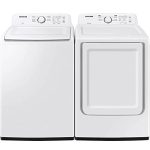
You stand in the appliance aisle, the hum of a dozen machines in the background, faced with a decision that will impact your laundry routine, utility bills, and even your home's infrastructure for the next decade: gas or electric dryer? This isn't just a choice between two colors; it's a fundamental decision about energy source, efficiency, and long-term cost. With advancements in both technologies and shifting energy prices, making the right choice in 2026 requires a clear-eyed look at the facts.
Understanding the pros and cons of gas versus electric dryers is crucial for any homeowner, renter, or builder. This decision affects your monthly expenses, your home's carbon footprint, and the speed of your laundry day. This article will dissect the operational costs, installation complexities, drying performance, and environmental impact of both dryer types. By the end, you'll have a comprehensive guide to determine which appliance aligns with your budget, home setup, and lifestyle, ensuring you invest in a machine that saves you time and money for years to come.
The Core Difference: How They Create Heat
At their heart, both gas and electric dryers perform the same task: tumbling wet clothes in a heated drum to evaporate moisture. The critical divergence lies in how they generate that essential heat. An electric dryer uses a heating element, similar to a large, high-resistance coil found in an oven or space heater. When you start a cycle, electricity flows through this coiled element, causing it to become extremely hot. A blower fan then pushes air over this glowing element, heating it before it enters the drum. This process is simple and direct but requires a significant amount of electrical energy to achieve and maintain high temperatures.
In contrast, a gas dryer employs a combustion system. It uses either natural gas (piped from a municipal line) or propane (from an on-site tank) as its fuel. When the dryer calls for heat, a gas valve opens, releasing fuel into a burner assembly. An electric igniter (a small spark generator or hot surface igniter) lights the gas, creating a controlled flame. The air from the blower fan is then directed over this flame, heating it rapidly before it enters the drum. It's important to note that a gas dryer still requires electricity to power the drum motor, controls, and igniter, but the primary heating energy comes from burning gas.
This fundamental difference in heat generation is the root cause of all subsequent comparisons in cost, efficiency, and performance. The electric heating element converts electrical energy directly to heat, while the gas burner converts chemical energy from the gas into heat. The efficiency and cost of these conversion processes, influenced by your local utility rates and home setup, will largely determine which model is more economical for your household.
Upfront and Operational Cost Analysis
The financial comparison between gas and electric dryers involves two distinct phases: the initial purchase and installation, and the ongoing cost of operation. Typically, a gas dryer has a higher upfront price tag, often costing between $50 to $100 more than a comparable electric model. However, the real financial divergence comes with installation. If your laundry area does not already have the necessary gas line and venting, installing a gas dryer can be a significant project requiring a licensed professional, potentially adding hundreds of dollars to your initial investment. Electric dryers, by contrast, usually only require a dedicated 240-volt outlet, which is more common and less expensive to install if not already present.
Where the gas dryer shines is in its operational cost. In most regions of the United States in 2026, natural gas remains a less expensive energy source per unit of heat produced compared to electricity. A gas dryer can heat up much faster and generally operates at a lower cost per load. Industry estimates suggest that a gas dryer can cost 50% less to operate than an electric model, though this figure fluctuates wildly with local utility rates. To get a true picture, you must check your most recent utility bills: compare the cost per therm of natural gas to the cost per kilowatt-hour (kWh) of electricity. A few calculations based on average dryer energy use will reveal your potential long-term savings.
Practical cost advice is straightforward. If you are in a home with an existing gas line in the laundry room, a gas dryer is almost always the cheaper option over its lifespan, recouping its higher purchase price through lower monthly bills. For new construction or a major laundry room remodel, factor in the cost of running a gas line. If that cost is prohibitive, or if you live in an area with exceptionally cheap electricity (often tied to hydro or nuclear power), a high-efficiency electric dryer may be the more sensible financial choice. Always project costs over a 10-year period to see the full picture.
Drying Performance and Fabric Care
Beyond cost, how a dryer performs its primary job is paramount. Gas dryers are widely recognized for providing a faster, hotter, and often more consistent heat. Because the gas burner can reach high temperatures almost instantly, gas dryers typically have shorter cycle times. This "moisture sensing" technology, common in both types, also tends to be more precise in gas models, as the heat can be modulated quickly, reducing the risk of over-drying. The result is that a full load of towels or jeans may be done 10-15 minutes quicker in a gas dryer compared to an electric one.
Electric dryers, while sometimes slower to heat, have made significant strides in performance. Modern electric models with advanced heat pump technology are exceptionally gentle on fabrics. Heat pump dryers, a subset of electric dryers, recycle hot air and use a refrigerant system to extract moisture, operating at lower temperatures. This is a major pro for delicate fabrics, activewear, and items you wish to preserve longer, as high heat is a primary contributor to wear, shrinkage, and damage. However, standard electric resistance dryers can run very hot, which may be less ideal for delicate items.
For practical laundry advice, consider your typical load. If your household generates large volumes of sturdy cottons, linens, and work clothes where speed is a priority, the performance edge of a gas dryer is tangible. If your wardrobe consists of more synthetics, performance fabrics, or delicate items, a modern electric dryer—especially a heat pump model—offers superior fabric care, albeit with potentially longer drying times. Many high-end models of both types now feature steam cycles and precise temperature controls to bridge this performance gap, offering the best of both worlds.
Installation, Venting, and Home Compatibility
Environmental Impact and Efficiency Trends
The environmental footprint of your dryer is an increasingly important consideration. The comparison here is nuanced and depends heavily on your local energy grid. Electric dryers, particularly standard resistance models, are often criticized for their high energy draw. However, if your electricity comes from renewable sources like wind, solar, or hydroelectric power, an electric dryer's operational carbon footprint can be very low. The emergence of heat pump dryers is a game-changer; they use up to 50% less energy than even the most efficient conventional electric dryers, making them the undisputed efficiency champions.
Gas dryers burn a fossil fuel directly in your home, producing carbon dioxide (CO2) emissions on-site. While natural gas burns cleaner than coal or oil, it is still a hydrocarbon. The environmental pro for gas has traditionally been its higher efficiency in converting energy to heat, leading to less primary energy use per load compared to a standard electric dryer. But this advantage is narrowing and can be completely erased if the electricity grid is clean or if you use a heat pump dryer. Furthermore, concerns about methane leaks from the natural gas supply chain add to its lifecycle environmental impact.
Looking ahead to 2026 and beyond, the trend is moving toward electrification, driven by heat pump technology and greener grids. For the eco-conscious consumer, the most sustainable choice is a heat pump electric dryer paired with a renewable energy source. If that's not feasible, the next best option is a high-efficiency gas dryer, as it still uses less primary energy than a standard electric model in many grids. Always look for the ENERGY STAR label, which now exists for both gas and electric dryers, identifying the most efficient models in each category regardless of fuel type.
Key Takeaways
- ✓ Operating costs favor gas dryers in most regions due to lower natural gas prices, but always compare your local utility rates to be sure.
- ✓ Gas dryers generally offer faster drying times and higher heat, while modern electric (especially heat pump) dryers are gentler on fabrics.
- ✓ Installation is more complex and costly for gas dryers, requiring a gas line and professional hookup, whereas electric dryers need a dedicated 240V outlet.
- ✓ Environmental impact is grid-dependent; electric dryers can be cleaner with renewable energy, but efficient gas models may have a lower footprint on fossil-fuel-heavy grids.
- ✓ Your existing home infrastructure (gas line or 240V outlet) is often the most practical deciding factor in choosing between a gas or electric dryer.
Frequently Asked Questions
Is it more expensive to run a gas dryer or an electric dryer?
In the majority of regions, it is less expensive to run a gas dryer. Natural gas is typically a cheaper energy source per unit of heat than electricity. However, you must check your local utility rates. Divide the cost per therm of gas by the cost per kWh of electricity. If the ratio is below roughly 30, gas is usually cheaper to run. Electric heat pump dryers are an exception and can be cheaper to operate than standard gas dryers.
Can I switch from an electric dryer to a gas dryer easily?
Switching is not a simple plug-and-play task. It requires a licensed professional to install a gas supply line with a shut-off valve, ensure proper ventilation for combustion gases, and verify you have the correct electrical outlet (a gas dryer uses a standard 120V outlet, not the 240V one your electric dryer used). This can be a costly renovation if your laundry room isn't already plumbed for gas.
Do gas dryers dry clothes faster than electric dryers?
Generally, yes. Gas burners can reach high temperatures almost immediately, leading to shorter warm-up times and often shorter overall cycle times for full, heavy loads. Advanced moisture sensors in both types help, but the rapid heat modulation of gas can contribute to faster drying by several minutes per load.
Are gas dryers more dangerous than electric dryers?
Both are safe when properly installed and maintained. The primary safety concern with gas dryers is the potential for a gas leak or improper venting of carbon monoxide. This is why professional installation and annual inspections of the gas line and venting are crucial. Electric dryers carry a risk of electrical fire if the circuit is overloaded or the vent is clogged. Basic safety—like cleaning the lint trap after every load and ensuring proper exterior venting—is essential for both types.
What is a heat pump dryer, and how is it different?
A heat pump dryer is a highly efficient type of electric dryer. Instead of using a heating element, it uses a refrigerant system similar to an air conditioner in reverse. It recycles hot air from the drum, extracts moisture, and reuses the heat. The pros are massive energy savings (up to 50% less than standard electric) and gentler, lower-temperature drying. The cons are a higher purchase price, longer drying cycles, and often a smaller capacity.
Conclusion
Choosing between a gas and electric dryer is a multifaceted decision that balances upfront costs against long-term savings, performance needs against fabric care, and practical installation limits against environmental preferences. Gas dryers typically win on operational cost and speed for heavy loads, making them ideal for large families in homes with existing gas lines. Electric dryers, particularly the revolutionary heat pump models, offer superior energy efficiency, gentler drying, and greater installation flexibility, appealing to eco-conscious households, those with delicate wardrobes, or residents in spaces without gas access.
Your next step should be investigative. Examine your laundry room's existing hookups, pull out your recent utility bills to compare energy rates, and honestly assess your typical laundry loads and priorities. Then, visit appliance showrooms with this knowledge in hand, focusing on ENERGY STAR certified models in your preferred category. By making an informed choice, you'll select a dryer that not only tackles your laundry efficiently but also aligns with your financial and lifestyle goals for the next decade.

Oliver Bennett is a home appliance writer specializing in washer and dryer solutions, laundry care, and energy-efficient appliances. He provides detailed reviews, buying guides, and maintenance tips to help users choose reliable machines and achieve better laundry results.