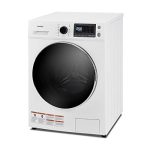
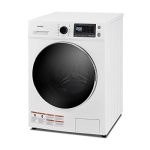
You rely on it weekly, if not daily, but when was the last time you thought about your dryer's expiration date? That steady hum and comforting warmth are easy to take for granted until the day it stops working, leaving you with a pile of damp clothes and an unexpected expense. Understanding the lifespan of this essential appliance is key to managing your household budget and avoiding inconvenient breakdowns.
This topic matters because a dryer is a significant investment, and its longevity directly impacts your finances and daily routine. By knowing how long a dryer should last, the factors that shorten or extend its life, and the signs of impending failure, you can make informed decisions about maintenance, repairs, and replacement. In this article, you will learn the average lifespan expectations, discover practical maintenance strategies to add years of service, understand when to repair versus replace, and gain insights into choosing a model built to last.
The Standard Lifespan Expectancy
On average, a well-maintained clothes dryer has a typical lifespan of 10 to 13 years. This range is a general benchmark established by industry experts, appliance repair technicians, and consumer reports. It applies to both electric and gas dryer models, as the core mechanical components—the motor, drum, and heating system—are subject to similar wear and tear over time. However, this is not a guaranteed expiration date; it is an estimate based on normal residential use, which is typically defined as running several cycles per week.
Several key factors influence where your dryer falls within this range. The quality of the initial build is paramount. Dryers from reputable manufacturers known for robust construction and reliable components often outlast budget models that may use cheaper parts. Furthermore, the complexity of the dryer plays a role. Basic, mechanical timer models with fewer electronic controls often have longer lifespans than high-tech units with digital displays, sensors, and numerous programmed cycles, simply because there are fewer electronic components that can fail.
It is crucial to distinguish between the dryer's functional lifespan and its efficient, cost-effective lifespan. A dryer may technically still tumble and produce heat at the 15-year mark, but its energy efficiency will have drastically declined. Older models are far less efficient than modern ones, consuming significantly more electricity or gas per load. At a certain age, the rising cost of operation and the increasing frequency of repairs make continued use an expensive choice, even if the machine still runs.
Primary Factors That Shorten Dryer Life
The single greatest enemy of a dryer's longevity is neglected maintenance, specifically failing to clean the lint system. Lint is highly flammable and restricts airflow, forcing the dryer to work harder, run hotter, and for longer cycles. This excessive strain overheats the motor, heating element, and other components, leading to premature failure. A completely clogged vent hose is a leading cause of dryer fires and can burn out a motor in short order. Regular cleaning is non-negotiable for both safety and appliance life.
Improper installation and usage are other major culprits. Installing a dryer without ensuring it is perfectly level can cause the drum to rotate unevenly, placing stress on the drive belt, motor, and drum supports. Overloading the dryer is a common mistake; stuffing it beyond capacity strains the motor, damages the drum seals and bearings, and leads to unbalanced loads that shake the entire machine. Conversely, consistently drying very small loads can cause the cycling thermostat to wear out faster due to more frequent on/off cycles.
Environmental factors and power issues also take a toll. Dryers located in damp, humid spaces like basements are more susceptible to rust and corrosion on metal parts and electrical connections. For electric dryers, consistent voltage fluctuations or surges from an inadequate home electrical system can damage the control board and motor. For gas dryers, improper gas line pressure or a dirty gas orifice can affect combustion efficiency and damage the burner assembly. Addressing these external factors is part of preserving the appliance.
Essential Maintenance to Extend Longevity
A proactive and simple maintenance routine can add years to your dryer's life. The most critical task is cleaning the lint filter after every single load without exception. This should be followed by a monthly deep-clean of the filter slot with a vacuum crevice tool to remove embedded particles. Every three to six months, you must disconnect the vent hose from the back of the dryer and the wall, and thoroughly clean it out. Use a vent brush kit to scrub the interior of the ductwork leading outside, ensuring no obstructions remain.
Annual professional maintenance is a wise investment for maximizing lifespan. A qualified technician can perform tasks that are difficult for homeowners, such as vacuuming out the internal lint that accumulates inside the dryer cabinet, inspecting and lubricating the drum rollers and idler pulley (if applicable), checking the condition of the drive belt, and testing the heating element and thermostats for proper function. For gas dryers, they will also inspect the burner assembly and gas line connections for safety and efficiency.
Beyond lint, pay attention to the dryer's exterior and performance. Keep the exterior clean and the door seal (gasket) free of lint and residue. Listen for unusual noises like squealing, grinding, or thumping, which indicate worn parts that should be addressed immediately before they cause cascading damage. If you notice cycles taking longer than they used to, it is a clear sign of restricted airflow or a failing component. Addressing these small issues promptly prevents them from becoming major, life-ending failures.
The Repair vs. Replace Decision Matrix
When your dryer malfunctions, the decision to repair or replace it hinges on a few key calculations. The most common rule of thumb is the "50% Rule": if the cost of the repair is more than 50% of the price of a comparable new dryer, replacement is usually the more economical choice. This is because one major repair often signals that other aged components are nearing failure, and you may face another costly fix in the near future. Always get a detailed estimate from a reputable technician before deciding.
Consider the age of your dryer in conjunction with the repair cost. A repair costing 200 dollars on a 4-year-old dryer is a sensible investment. The same 200-dollar repair on a 12-year-old dryer, which is at the end of its expected lifespan, is a riskier proposition. Furthermore, evaluate the energy efficiency gains of a new model. Modern dryers, especially those with heat pump technology or ENERGY STAR certification, can use 20-30% less energy. The monthly savings on your utility bill can help justify the investment in a new, efficient unit.
Also, weigh non-financial factors. Does your current dryer meet your household's needs? An older, smaller-capacity dryer may no longer suit a growing family. Are replacement parts readily available for your model, or is it obsolete? Finally, consider safety. If the repair involves a recurring issue like overheating or involves the electrical system in an old unit, erring on the side of replacement for peace of mind is a valid choice. Newer models also come with updated safety features like moisture sensors and better thermal protection.
Choosing a Dryer for Maximum Durability
If you are in the market for a new dryer, prioritizing durability starts with research. Focus on brands with a long-standing reputation for reliability and good availability of service technicians and parts in your area. While consumer reviews can be subjective, look for consistent patterns in feedback regarding longevity and minor repair frequency over several years. Professional installer and repair technician recommendations are often invaluable, as they see which models hold up best in real-world conditions over time.
When comparing models, simplicity can be a virtue for longevity. While smart features and numerous drying cycles are appealing, each additional electronic sensor and control board is a potential point of failure. A dryer with a robust mechanical control system or a simpler digital interface may have a lower risk of electronic failure. However, do not sacrifice essential modern features for durability; a moisture sensor, for example, is a valuable feature that prevents over-drying, saves energy, and reduces wear on clothes and the machine itself.
Finally, ensure proper installation, which is the foundation of a long appliance life. Hire a professional to install the dryer, especially for gas models. They will ensure it is level, that the venting is correctly installed using rigid or semi-rigid metal ducting (never plastic), and that there is an appropriate clearance for airflow. They will also verify the electrical connection or gas line pressure is correct. Register your warranty immediately and consider an extended warranty if it covers major components like the motor and drum, providing financial protection for the critical early years.
Key Takeaways
- ✓ The average lifespan of a dryer is 10 to 13 years, but this is heavily influenced by maintenance, usage, and build quality.
- ✓ Neglected lint cleaning is the top cause of premature dryer failure, creating fire hazards and straining critical components.
- ✓ A simple maintenance routine—cleaning the filter and vent regularly and scheduling annual professional check-ups—can significantly extend service life.
- ✓ Use the "50% Rule" and consider the dryer's age and energy efficiency when deciding between a costly repair and a replacement.
- ✓ When buying new, research reliable brands, consider the balance between features and complexity, and always invest in professional installation.
Frequently Asked Questions
What are the most common signs that my dryer is dying?
Key signs include loud noises (squealing, grinding, banging), clothes taking two or more cycles to dry completely, the drum not turning, no heat being produced, the dryer overheating externally, or frequent tripping of the circuit breaker. These symptoms often point to failing motors, heating elements, belts, or thermostats.
Is it worth repairing a dryer that is over 10 years old?
It depends on the repair cost and the dryer's history. For a minor, inexpensive repair on a high-quality model that has been well-maintained, it might be worthwhile. However, for a major repair like a motor or control board replacement on a 10+ year old dryer, replacement is usually more cost-effective and reliable in the long run, especially considering the energy savings of a new model.
How often should I clean my dryer vent hose?
You should disconnect and clean the flexible vent hose at the back of the dryer every 3 to 6 months. The rigid ductwork leading outside should be professionally cleaned at least once a year, or more often if you dry clothes frequently, have a large household, or have pets that shed.
Do gas dryers last longer than electric dryers?
There is no significant difference in overall lifespan between gas and electric dryers based on their power source alone. Both types share the same core mechanical components. Longevity is determined more by build quality, maintenance, and usage. The choice between gas and electric should be based on your existing home utility hookups and operating cost calculations.
Can I install a dryer myself to save money?
While plugging in an electric dryer may seem simple, professional installation is strongly recommended. For electric dryers, it ensures the dedicated 240-volt circuit is correct. For gas dryers, it is critical for safety to prevent gas leaks. A professional will also ensure proper venting, leveling, and clearances, which are essential for performance, efficiency, and safety.
Conclusion
Your dryer's lifespan is not merely a matter of chance; it is a direct result of the care it receives and the choices you make. From the 10-13 year average expectancy to the factors that accelerate wear, being an informed owner empowers you to take control. By committing to diligent maintenance, understanding the economics of repair versus replacement, and making savvy choices when purchasing a new unit, you can ensure this hardworking appliance serves your household reliably for its maximum potential lifetime.
Start today by performing a simple check: clean your lint filter thoroughly, inspect your vent hose for any buildup or kinks, and listen to your dryer's next cycle for any unusual sounds. This small act of attention is the first step toward a longer-lasting appliance. When the time for replacement does come, use the knowledge you've gained to select a durable model and invest in a proper installation, setting the stage for another decade of efficient and dependable service.

Oliver Bennett is a home appliance writer specializing in washer and dryer solutions, laundry care, and energy-efficient appliances. He provides detailed reviews, buying guides, and maintenance tips to help users choose reliable machines and achieve better laundry results.