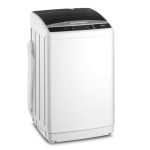
You're rearranging the laundry room, moving to a new home, or finally upgrading that old appliance, and a critical question hits you: just how heavy is this dryer going to be? It's not just idle curiosity; knowing the weight is the difference between a smooth transition and a potential back injury, a damaged floor, or a logistical nightmare on moving day. The number on your dryer's spec sheet is more than a statistic; it's a crucial piece of planning data that affects your safety, your home, and your wallet.
This comprehensive guide will demystify dryer weights for you. We'll break down the average weights by type, from compact ventless models to heavy-duty commercial machines. You'll learn what factors add pounds, how to prepare for a safe move, and what to expect when installing a new unit. By the end, you'll have the knowledge to confidently handle your dryer, whether you're measuring a doorway or hiring professional movers.
Average Dryer Weights by Type and Style
The weight of a dryer is not a one-size-fits-all figure. It varies dramatically based on its design, capacity, and features. On the very light end, you have compact, portable dryers that can weigh as little as 40 to 60 pounds. These are typically small, 110-volt units designed for apartments, RVs, or as a supplemental drying option. Their light weight makes them easy to move but comes with a significantly smaller load capacity, often around 1.5 to 2.5 cubic feet.
The most common category is the standard full-size electric dryer. A typical electric dryer with a capacity of 7.0 to 7.5 cubic feet will generally weigh between 100 and 125 pounds. The primary components contributing to this weight are the steel drum, the electric heating element, the motor, and the outer cabinet. Gas dryers, which share a similar size and drum, tend to be heavier. You can expect a standard gas dryer to weigh between 125 and 150 pounds. The extra weight comes from the additional components required for gas operation: the burner assembly, gas valve, and a more robust exhaust system to handle combustion gases.
On the heavier side of the spectrum are large-capacity and premium models. Dryers with capacities of 8.0 cubic feet and above, often paired with matching washers, use more materials and sturdier construction. These can easily tip the scales at 150 to 180 pounds. Furthermore, specialty dryers like all-in-one washer-dryer combos or heavy-duty commercial stack dryers are the heaviest of all. A ventless condenser combo unit, which contains both a washer and dryer mechanism, can weigh 200 pounds or more, while commercial dryers can exceed 250 pounds due to their reinforced construction and larger motors.
Key Factors That Influence Dryer Weight
Understanding what makes a dryer heavy helps you predict weight and assess quality. The single heaviest component is almost always the drum. Drums are made from either porcelain-enameled steel or stainless steel. Stainless steel drums, prized for their durability and gentleness on fabrics, are heavier than their porcelain-coated counterparts. The size of the drum directly correlates to weight; a larger capacity dryer needs a bigger, heavier drum and a larger cabinet to house it.
The heating system is another major factor. As mentioned, gas dryers are inherently heavier due to their gas burner assembly, ignition system, and reinforced venting for combustion products. Electric models use a simpler, lighter heating element. Additionally, the motor's size and type affect weight. Dryers with more powerful motors for faster drying cycles or smoother tumbling will be heavier. Modern models with advanced moisture sensors and sophisticated electronic control boards add minimal weight but contribute to the overall mass.
Finally, construction quality and extra features play a role. A dryer with a thin, lightweight cabinet will weigh less than one with a thick, sound-dampening steel cabinet. Added features like a steam function require additional plumbing and a steam generator, adding pounds. Even the type of door—a large, glass door versus a standard porthole door—can make a slight difference. When comparing models, consider that a heavier dryer often indicates more robust construction and durable materials, which can translate to longer appliance life and quieter operation.
Why Knowing the Weight Matters: Safety and Planning
This isn't just trivia; knowing your dryer's weight is a critical component of safety and successful planning. First and foremost is personal safety. A standard 125-pound dryer is an awkward, bulky object. Lifting it incorrectly can lead to serious back injuries, strained muscles, or crushed fingers. Understanding the weight forces you to respect the appliance and either enlist help or use proper moving equipment, protecting yourself and anyone assisting you.
Logistical planning is the next crucial area. You must ensure the path from your old location to the new one can handle the weight and size. Will your floor, especially if it's an upper level or an older home, support the concentrated weight during the move? Are there stairs, tight corners, or narrow doorways to navigate? Knowing the dimensions and weight allows you to measure and plan the route in advance, avoiding the nightmare of getting a dryer stuck in a hallway. It also informs your decision on how many people you need; while two strong individuals can manage a standard dryer, a heavier gas or premium model may require three or a dedicated appliance dolly.
Finally, it affects installation and surface requirements. The weight determines the stability of the dryer, especially if it will be stacked on top of a washing machine. Stacking requires a proper stacking kit and should only be done with units designed for it. The combined weight of a stacked pair can exceed 300 pounds, so the floor must be level and solid. Furthermore, for laundry rooms on raised foundations or second floors, understanding the static weight (when installed) and the dynamic load (when moving it) is important for home integrity.
Step-by-Step Guide to Moving a Dryer Safely
Moving a dryer is a manageable task with the right preparation. First, prepare the dryer. Unplug the electric dryer from the wall outlet. For a gas dryer, this is more complex: you must turn off the gas supply valve at the dryer, disconnect the flexible gas line using two wrenches (one to hold the fitting and one to turn the nut), and carefully cap the gas line valve. Next, disconnect the vent hose from the back of the dryer. Use a screwdriver to loosen the clamp, and gently pull the hose off the exhaust port. It's advisable to have new vent hose ready for reinstallation.
Second, gather your tools and team. The essential tool is a sturdy appliance dolly. Securely strap the dryer to the dolly, ensuring it is balanced and won't tip. If you don't have a dolly, a heavy-duty furniture dolly can work on flat surfaces, but an appliance dolly with stair climbers is far superior for steps. Wear sturdy, closed-toe shoes and work gloves to protect your hands and improve your grip. Never attempt to move a full-size dryer alone. Have at least one, preferably two, helpers to guide and stabilize the load.
Third, execute the move with care. Clear the entire path of rugs, toys, and obstacles. Use moving blankets or old towels to protect walls, door frames, and the dryer itself from scratches. The person controlling the dolly should move slowly, with helpers on each side to prevent tipping. When going down stairs, always keep the dryer upright on the dolly and walk it down step-by-step, never letting gravity take over. Once in place, let it sit for at least an hour if it was transported on its side to allow any fluids (like condensation in condenser models) to settle before reconnecting and using it.
Professional Help vs. DIY: Making the Right Choice
Deciding whether to move the dryer yourself or hire professionals depends on several factors. The DIY route is cost-effective and can be quick for simple, single-level moves. If you have a standard electric dryer, a clear path, a strong helper, and the proper equipment (an appliance dolly), doing it yourself is entirely feasible. This approach gives you full control over the timing and process. It's best suited for those who are physically capable, have experience moving heavy items, and are comfortable with the basic disconnection and reconnection tasks.
However, there are clear scenarios where hiring professionals is not just advisable but necessary. If you have a gas dryer, unless you are highly confident and knowledgeable in working with gas lines, hiring a professional is the safest choice to prevent dangerous leaks. Complex moves involving multiple flights of stairs, tight spiral staircases, or long distances from the truck to the installation point also warrant professional help. Movers have the experience, specialized equipment, and insurance to handle these challenges efficiently and with reduced risk of injury or property damage.
Consider a hybrid approach for the best results. You can hire professionals just for the heavy lifting and transportation, then handle the reconnection yourself if you're capable. Alternatively, many appliance retailers offer white-glove delivery and installation services. For a fee, they will deliver the new dryer, haul away the old one, and handle all connections, including gas hookups. This is often the most hassle-free option, ensuring everything is installed correctly and safely, and it frequently includes a warranty on the installation work.
Key Takeaways
- ✓ Dryer weight varies widely: from 40 lbs for compact models to over 250 lbs for commercial units, with standard electric dryers averaging 100-125 lbs and gas dryers 125-150 lbs.
- ✓ Key weight factors are drum size/material (stainless steel is heavier), heating system (gas adds weight), motor power, and overall construction quality.
- ✓ Knowing the weight is critical for personal safety during moves and for planning routes, ensuring floor stability, and preparing for installation.
- ✓ Always use proper tools like an appliance dolly and never move a dryer alone; for gas dryers, safely disconnecting the gas line is a mandatory first step.
- ✓ Evaluate your specific situation—considering stairs, gas connections, and your own capability—to decide between a DIY move and hiring professional movers or installers.
Frequently Asked Questions
What is the average weight of a standard dryer?
A standard full-size electric dryer typically weighs between 100 and 125 pounds. A comparable gas dryer is heavier, usually between 125 and 150 pounds, due to the additional components required for gas operation.
How can I find out exactly how much my specific dryer model weighs?
The best sources are the owner's manual or the manufacturer's website, where you can look up the technical specifications for your model number. The model number is usually located inside the door frame or on the back of the dryer. You can also check the retailer's product page where you purchased it.
Is it safe to lay a dryer on its side to move it?
It is generally not recommended, but if unavoidable, do so with caution. Place it on its side with the control panel facing up to avoid damage. After moving it, let it stand upright in its final location for at least an hour before operating. This allows any internal components, like oil in the motor or coolant in condenser systems, to settle back into place.
Do I need to hire a professional to disconnect a gas dryer?
If you are not experienced and comfortable working with gas lines, yes, you should hire a professional. An improper disconnection or reconnection can lead to dangerous gas leaks. A licensed appliance technician or plumber can do this safely and quickly.
What is the heaviest part of a dryer?
The drum assembly is almost always the single heaviest component. It is a large, cylindrical piece of metal (either porcelain-coated or stainless steel) that must be sturdy enough to handle wet, spinning loads for years, contributing significantly to the overall weight of the appliance.
Conclusion
Understanding the weight of your dryer is a fundamental piece of knowledge that empowers you to handle this essential appliance safely and effectively. From the lightweight portables to the heavy-duty commercial units, weight is dictated by type, capacity, and features. This knowledge directly informs your moving strategy, your installation plans, and ultimately, your safety. By respecting the heft of the machine and preparing accordingly, you can avoid injury, prevent damage to your home, and ensure a smooth transition for your laundry routine.
Before you lift, measure, or purchase, take a moment to find your dryer's specifications and assess your situation honestly. Gather the right tools and helpers, or make the call to a professional service. With the insights from this guide, you are now equipped to answer "how much does a dryer weigh" and, more importantly, to act on that information with confidence and care.

Oliver Bennett is a home appliance writer specializing in washer and dryer solutions, laundry care, and energy-efficient appliances. He provides detailed reviews, buying guides, and maintenance tips to help users choose reliable machines and achieve better laundry results.