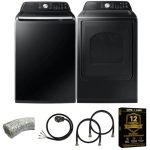
You hear the familiar hum of your dryer, a modern convenience so routine it becomes background noise. Yet, hidden behind that appliance and snaking through your walls lies a potential hazard that causes thousands of home fires every year: a clogged dryer vent. This isn't just about a slightly damp load of laundry; it's about protecting your home, your family, and your wallet from a preventable disaster.
Understanding and maintaining your dryer vent is a critical, yet often neglected, aspect of homeownership. This article will demystify the process, providing clear guidelines on cleaning frequency based on your specific household. You will learn the undeniable signs of a clogged vent, the step-by-step methods for both DIY and professional cleaning, the substantial benefits of regular maintenance, and how to establish a sustainable prevention routine. By the end, you'll have the knowledge to ensure this essential chore is never overlooked again.
The Golden Rule: Recommended Cleaning Frequency
The most common and authoritative recommendation is to clean your dryer vent at least once per year. This baseline, advocated by the U.S. Fire Administration and most appliance manufacturers, applies to the average household running about four to five loads per week. An annual cleaning ensures that lint, which is highly flammable, does not accumulate to dangerous levels within the ductwork, reducing the primary risk of fire. Think of it as a non-negotiable yearly check-up for your home's safety system, similar to servicing your furnace or changing smoke detector batteries.
However, this "once a year" rule is a starting point, not a one-size-fits-all solution. Several factors can necessitate more frequent cleanings. The most significant variable is your household size and laundry habits. A family of five with multiple athletes, for instance, will generate far more laundry—and thus far more lint—than a single person living alone. For these high-use households, cleaning every six months is a prudent and safer schedule. It’s about matching the maintenance to the machine’s workload.
Other factors that should prompt more frequent attention include the length and configuration of your vent duct. Vents that run longer than 25 feet or have multiple sharp bends are more prone to lint buildup at these restrictive points. Similarly, if you own pets, their hair significantly contributes to clog formation, often requiring bi-annual cleanings regardless of load count. The key is to start with the annual rule, then adjust based on your personal usage patterns and the physical setup of your venting system.
Unmistakable Warning Signs of a Clogged Vent
Your dryer will communicate when it's struggling; you just need to know the signals. The most obvious red flag is when clothes take longer and longer to dry. If a standard load that once took 45 minutes now requires 90 minutes or multiple cycles, your dryer is working overtime because the hot, moist air cannot escape efficiently. This not only wastes time but also drastically increases your energy consumption, as the dryer heater runs continuously in a futile attempt to finish the job. It’s the appliance’s cry for help.
Beyond drying time, physical cues are abundant. The exterior of the dryer, especially the top and door, may become excessively hot to the touch during operation. When you open the door after a cycle, a noticeable blast of humid air or a musty, damp smell indicates trapped moisture. Outside your home, check the vent flap while the dryer is running. A strong, forceful exhaust is good; a weak trickle or no airflow at all is a major problem. You might also see an unusual amount of lint accumulating around the lint trap door inside the laundry room.
Perhaps the most alarming sign is the smell of burning lint, which is distinct and should never be ignored. This smell indicates that lint has built up near the heating element and is potentially smoldering. If you ever detect this, stop the dryer immediately, unplug it if safe to do so, and do not use it again until the vent has been thoroughly inspected and cleaned. Recognizing these signs early can prevent a minor maintenance issue from escalating into a costly repair or a life-threatening emergency.
The How-To Guide: DIY vs. Professional Cleaning
The Tangible Benefits: More Than Just Fire Prevention
The paramount benefit of a clean dryer vent is dramatically reducing the risk of a house fire. According to the National Fire Protection Association, dryers and washing machines are involved in one out of every 22 home structure fires, with failure to clean being the leading cause. Lint is incredibly combustible, and when it restricts airflow, the dryer’s heating element can overheat and ignite it. A clean vent is your first and most effective line of defense, removing the fuel and allowing the system to operate at a safe temperature. This single action is one of the most impactful safety measures you can take in your home.
The financial savings are immediate and substantial. A clogged vent forces your dryer to run 20-40% longer per load, directly spiking your electricity or gas bill. By maintaining a clear vent, your dryer operates at peak efficiency, drying clothes faster and using less energy. This can save you hundreds of dollars annually on utility costs. Furthermore, the excessive strain on the dryer’s motor, heating element, and other components leads to premature breakdowns. Regular vent cleaning extends the lifespan of your appliance, delaying the need for costly repairs or a full replacement, which far outweighs the modest cost of maintenance.
Beyond safety and savings, a clean vent improves your home’s air quality and protects the structure itself. Proper ventilation expels moisture-laden air outside. A clogged vent traps this humidity inside the ductwork and laundry area, promoting mold and mildew growth, which can damage walls and trigger allergies. It also prevents the backflow of carbon monoxide from gas dryers, a colorless, odorless, and deadly gas. The benefits cascade from personal safety to financial prudence to home integrity, making vent cleaning a holistic home maintenance practice.
Building a Sustainable Prevention Routine
The cornerstone of prevention is diligent lint filter maintenance. The lint trap inside your dryer should be cleaned before every single load, without exception. This simple five-second task captures the majority of lint and is the easiest way to reduce what travels into the ductwork. Once a month, wash the lint screen with warm, soapy water and a soft brush to remove the invisible film of fabric softener and detergent that can clog the mesh, reducing its effectiveness. A clean filter ensures optimal airflow from the very start of the drying process.
Upgrading your materials can also have a profound impact. Replace any plastic or foil accordion-style duct behind your dryer with a rigid or semi-rigid metal duct. The smooth interior wall of metal ducts prevents lint from snagging and accumulating, unlike the ribbed interior of flexible ducts which acts as a lint trap. Also, ensure your exterior vent hood is a proper design—one with a backdraft damper that closes when not in use to keep out pests and weather, but without a restrictive mesh screen, which can itself become clogged. These hardware upgrades are a one-time fix that pays long-term dividends.
Finally, integrate vent cleaning into your existing home maintenance calendar. Mark a recurring annual or bi-annual reminder on your digital calendar for the week you plan to perform or schedule the cleaning. Many homeowners find it helpful to tie it to another seasonal task, like when they change their clocks or during spring cleaning. For high-use households, consider a mid-year visual check: run the dryer and feel the airflow at the exterior vent. If it seems weak, don’t wait for the annual date. Proactive, scheduled maintenance transforms a critical safety chore from an afterthought into an automatic, life-preserving habit.
Key Takeaways
- ✓ Clean your dryer vent at least once a year, but increase frequency to every six months for large households, pet owners, or long/complex duct runs.
- ✓ Key warning signs include longer drying times, an overheating dryer, a musty smell, weak exterior airflow, and the critical smell of burning lint.
- ✓ DIY cleaning is feasible for simple vents, but professional services are recommended for complex systems to ensure a thorough, safe job.
- ✓ Regular cleaning prevents house fires, lowers energy bills by up to 40%, extends your dryer’s lifespan, and improves home air quality.
- ✓ Prevent future clogs by cleaning the lint trap before every load, using rigid metal ductwork, and scheduling cleanings on your home maintenance calendar.
Frequently Asked Questions
Can I just clean the lint trap and assume the vent is clear?
No. The lint trap catches the majority of lint, but a significant amount of fine particles and dust passes through and accumulates in the ductwork over time. Relying solely on the lint trap is like changing your car's cabin air filter but never changing the oil; both are necessary for different parts of the system. The vent duct requires separate, periodic cleaning.
How long does it take to clean a dryer vent?
For a straightforward, accessible vent, a DIY cleaning can take 30 to 60 minutes, including moving the dryer and reconnecting everything. A professional service for a standard home typically takes one to two hours, depending on the vent's length and complexity. The time investment is minimal compared to the safety and efficiency benefits gained.
My dryer is electric, not gas. Is vent cleaning still as important?
Absolutely. While gas dryers have the added risk of carbon monoxide backup, the fire hazard from lint accumulation is identical for both electric and gas models. The heating element in an electric dryer can still overheat and ignite built-up lint. The efficiency and appliance longevity benefits also apply equally to all dryer types.
What’s the worst-case scenario if I never clean my dryer vent?
The worst-case scenario is a lint-fueled house fire, which can lead to total property loss, injury, or loss of life. Short of that, you risk a complete dryer breakdown, mold growth in your walls from trapped moisture, and exorbitantly high energy bills. The cumulative cost of neglect far exceeds the minor cost and effort of regular cleaning.
I live in an apartment with a built-in dryer. Who is responsible for cleaning the vent?
This depends on your lease agreement and the building's design. Typically, the duct that runs within your apartment unit (from the dryer to the wall) is your responsibility. The longer duct that runs through the building's walls to the exterior is usually the landlord's or building management's responsibility. You should request clarification from your property manager and ask about their maintenance schedule for the building's vent system.
Conclusion
Maintaining a clean dryer vent is a non-negotiable aspect of responsible home ownership and safety. We've established that an annual cleaning is the baseline, with adjustments for your specific laundry habits and home layout. By recognizing the warning signs—from prolonged drying times to that critical burning smell—you can act before a minor issue becomes a major hazard. Whether you choose the DIY route for simple systems or hire a professional for complex ones, the action itself is what matters, delivering profound benefits that range from preventing catastrophic fires to saving significant money on your utility bills.
Do not let this critical task slip through the cracks of a busy life. Today, check your exterior vent flap for airflow. This week, mark your calendar for your next cleaning date, whether it's a self-scheduled weekend project or a call to a local pro. Then, commit to the simple, daily habit of cleaning the lint trap. These small, consistent actions form a powerful defense, ensuring your dryer remains the convenient appliance it was designed to be, not a hidden threat within your home. Your safety, your savings, and your peace of mind are worth the effort.

Oliver Bennett is a home appliance writer specializing in washer and dryer solutions, laundry care, and energy-efficient appliances. He provides detailed reviews, buying guides, and maintenance tips to help users choose reliable machines and achieve better laundry results.