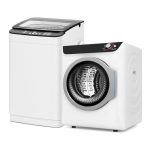
A faint, sweet smell of warm laundry is a comforting sign of a functioning home. Yet, lurking behind that pleasant scent and the hum of your dryer is a hidden danger that causes nearly 15,000 house fires annually in the United States alone: a clogged dryer vent. This silent threat accumulates slowly, reducing your appliance's efficiency and quietly raising your risk of a devastating fire.
Understanding how to clean a dryer vent is not just a minor home maintenance task; it is a critical safety procedure that protects your family, your home, and your wallet. This comprehensive guide will walk you through the entire process, from recognizing the warning signs to executing a thorough cleaning with common household tools. You will learn not only the step-by-step cleaning method but also how to assess your vent system's health, choose the right tools, and establish a maintenance schedule to ensure long-term safety and performance.
Why Cleaning Your Dryer Vent is Non-Negotiable
The primary and most urgent reason to clean your dryer vent is fire prevention. Lint is highly combustible. As it builds up within the vent hose and ductwork, it restricts airflow, causing the dryer to overheat. This excessive heat can ignite the lint, leading to a fast-spreading fire that can engulf your laundry room and home in minutes. The U.S. Fire Administration explicitly cites failure to clean dryer vents as a leading cause of home clothes dryer fires, making this a documented and preventable hazard.
Beyond safety, a clean vent drastically improves your dryer's efficiency and longevity. When airflow is restricted, your dryer must work harder and run longer to dry a single load of laundry. This inefficiency translates directly into higher energy bills, as you are paying for extended cycles and increased electricity or gas consumption. Furthermore, the added strain on the dryer's motor, heating element, and other components can lead to premature breakdowns and costly repairs or replacements.
Regular maintenance also protects your indoor air quality and home environment. A severely clogged vent can force moist, lint-filled air back into your laundry room. This excess humidity can promote mold and mildew growth on walls and ceilings, while the expelled lint particles degrade your home's air. A properly venting dryer expels this moisture and debris directly outside, keeping your living space drier, cleaner, and healthier.
Recognizing the Signs of a Clogged Vent
Your dryer will send you clear signals when its vent needs attention. The most obvious sign is that your clothes are taking much longer to dry. If a load that normally takes 45 minutes is still damp after 60-70 minutes, airflow is likely compromised. You may also notice that the dryer itself becomes excessively hot to the touch on the outside, particularly the door, and the laundry room may feel unusually warm and humid during a cycle.
Physical evidence around the dryer is another key indicator. A noticeable lack of lint in the dryer's own lint trap after a cycle can be a red flag; it means the lint is not being caught but is instead traveling into and getting stuck in the vent line. You might also detect a burning smell when the dryer is running, which is a serious warning of overheating lint. Finally, check the exterior vent hood (where the duct exits your house). If the flapper does not open strongly when the dryer is on, or if you see significant lint buildup around the opening, a clog is imminent.
For a simple test, try the "hand test." While the dryer is running on a heat cycle, place your hand over the interior lint trap cavity (with the lint screen removed). You should feel a strong, steady stream of warm air pushing out. If the airflow feels weak, intermittent, or non-existent, your vent system is obstructed and requires immediate cleaning. This quick check can be a lifesaving habit.
Gathering the Right Tools and Preparing for the Job
You do not need expensive professional gear to perform an effective dryer vent cleaning. The essential toolkit includes a dryer vent cleaning kit, which typically consists of flexible rods that screw together and a brush attachment designed to fit standard four-inch ducts. A high-powered shop vacuum with a long hose attachment is crucial for sucking out dislodged lint from both ends. You will also need screwdrivers (both flat-head and Phillips), a pair of adjustable pliers or a wrench, and possibly a step ladder to reach your exterior vent.
Safety preparation is paramount. Before you begin, unplug the dryer from the electrical outlet. If you have a gas dryer, also turn off the gas supply valve located on the gas line behind the appliance. This eliminates any risk of electric shock or gas leakage. Pull the dryer carefully away from the wall to give yourself ample workspace. Be mindful of not over-stretching or kinking any gas lines or electrical cords. Lay down an old sheet or towel to catch any lint or debris that falls during disconnection.
The final preparation step is to disconnect the vent duct from the back of the dryer. This is usually held in place by a metal clamp or plastic zip tie. Loosen the clamp with a screwdriver or cut the zip tie. Gently pull the duct away from the dryer's exhaust port. Also, go outside and remove the cover from the exterior vent hood, which is usually held by a few screws or a simple latch mechanism. You are now ready to clean from both ends.
The Step-by-Step Cleaning Process
Begin the cleaning from the exterior vent opening. Attach the brush head to the first rod of your cleaning kit and carefully feed it into the duct. Slowly push the rods into the vent, adding extensions as needed, while simultaneously rotating the brush. This spinning action scrapes the lint from the duct walls. You may feel resistance at bends or where lint has built up; work slowly and patiently to break through. Once you have fed the brush all the way to the dryer, reverse the process, pulling the brush back while continuing to rotate it to gather more lint.
Next, move inside. Use your shop vacuum with a narrow nozzle attachment to thoroughly vacuum out the dryer's internal exhaust port where you disconnected the duct. Then, insert the vacuum hose as far as possible into the duct from the interior side to suck out any lint loosened by the brush. For a more thorough job, you can also re-attach the brush kit from the inside and push it toward the exterior vent, repeating the brush-and-vacuum process. This two-way cleaning ensures you capture the majority of the debris.
After cleaning the duct, turn your attention to the dryer itself. Vacuum the area around the lint trap cavity and the space where the duct connects. Use the vacuum's crevice tool to clean deep into the lint trap chute. Finally, wipe down the interior of the disconnected vent duct with a damp cloth if it is a rigid metal type, or replace it if it is a crushed foil or plastic accordion-style duct, which are fire hazards and should be upgraded to rigid or semi-rigid metal ducting.
Reassembly, Testing, and Maintenance Schedule
Reassembly is the reverse of disconnection. First, securely reattach the vent duct to the dryer's exhaust port. Ensure the duct is straight and not pinched or crushed, and use a new metal clamp or HVAC foil tape (not standard duct tape) to create a tight, secure seal. Avoid creating long duct runs or using excessive elbows, as these promote lint accumulation. Push the dryer back into position, being careful not to kink the newly reconnected duct. Reconnect the power and, if applicable, turn the gas supply back on. Reinstall the exterior vent cover.
Conduct a post-cleaning test to verify your work. Run the dryer on an air-only (no heat) cycle for a few minutes. Go outside and confirm that the exterior vent flapper is opening fully and that you can feel a powerful, unobstructed blast of air exiting. Return inside and perform the "hand test" again at the lint trap cavity; the airflow should now be strong and consistent. These checks confirm that the system is venting properly and that you have successfully restored airflow.
Establish a maintenance schedule to prevent future hazards. At a minimum, clean the lint filter before or after every single load. The full vent system should be cleaned at least once a year. However, if you have a large household, use the dryer frequently, have a long or complex vent run, or have pets that shed, you should clean the vent every six months. Mark your calendar or set a digital reminder. This simple habit is the most effective long-term strategy for home safety and appliance efficiency.
Key Takeaways
- ✓ A clogged dryer vent is a leading cause of preventable home fires, making regular cleaning a critical safety measure.
- ✓ Warning signs include longer drying times, an overheated dryer, a weak exterior airflow, and excess lint at the vent hood.
- ✓ Essential cleaning tools are a vent brush kit, a powerful shop vacuum, basic hand tools, and replacement metal clamps or foil tape.
- ✓ The cleaning process involves disconnecting the vent, brushing from both the exterior and interior, and thoroughly vacuuming all components.
- ✓ After cleaning, test airflow, ensure secure reconnection, and establish a bi-annual or annual cleaning schedule based on usage.
Frequently Asked Questions
How often should I clean my dryer vent?
For most households, a full professional or DIY cleaning should be performed at least once a year. However, if you do more than five loads of laundry per week, have a long vent run (over 10 feet), have multiple bends in the duct, or own pets that shed, you should clean it every six months. Always clean the lint filter before or after every load.
Can I use my household vacuum instead of a shop vac?
It is not recommended. A standard household vacuum lacks the powerful suction and debris capacity needed to effectively remove the volume of fine, compacted lint from a dryer vent. A shop vacuum is designed for heavy-duty debris and is a crucial tool for a thorough and safe cleaning job.
What type of dryer vent duct is the safest?
Rigid metal ducting (either galvanized steel or aluminum) is the safest and most recommended type. It has a smooth interior that resists lint buildup and is non-flammable. Avoid using plastic or foil accordion-style ducts, as they can easily trap lint, sag, and are a significant fire hazard. Many building codes now prohibit their use.
My dryer is in the middle of my house with a very long vent run. What should I do?
Long runs (over 25 feet, with each 90-degree elbow counting as 5 feet) are problematic. First, ensure you are using rigid metal ducting. Consider consulting an HVAC professional to assess if adding an inline booster fan is necessary to maintain proper airflow. Most importantly, increase the frequency of your cleanings to every six months without fail.
I cleaned the vent, but my dryer is still running poorly. What else could be wrong?
If cleaning the vent didn't solve the issue, other problems could be at play. The internal ductwork within the dryer itself may be clogged, which requires disassembly by a technician. The heating element (in electric dryers) or thermal fuse may be faulty, or the dryer's moisture sensors could be dirty. It's best to consult a qualified appliance repair professional for diagnosis.
Conclusion
Cleaning your dryer vent is a straightforward but profoundly important task that sits at the intersection of home safety, financial savings, and appliance care. By understanding the risks of neglect, recognizing the warning signs, and methodically executing the cleaning process with the right tools, you take direct control over a significant household hazard. The procedure demystifies what many consider a job for professionals, empowering homeowners to maintain a key system in their home confidently.
Do not let this knowledge remain theoretical. This weekend, take 45 minutes to perform the "hand test" and inspect your exterior vent hood. If you notice any signs of blockage, schedule time to complete a full cleaning. The minor investment of time and effort pays dividends in peace of mind, lower energy bills, and the invaluable assurance that you are protecting your home and family from a preventable disaster. Your dryer—and your safety—will thank you.

Oliver Bennett is a home appliance writer specializing in washer and dryer solutions, laundry care, and energy-efficient appliances. He provides detailed reviews, buying guides, and maintenance tips to help users choose reliable machines and achieve better laundry results.