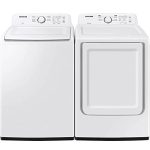
Imagine the convenience of a laundry room exactly where you want it—in a basement apartment, a garage conversion, or a newly built master closet. The key to unlocking this modern convenience lies in properly installing washer and dryer hookups. While it may seem like a daunting task reserved for professionals, with the right knowledge, tools, and respect for building codes, it's a project a competent DIYer can successfully undertake. This guide will walk you through the critical steps, from planning to final connection, ensuring your new laundry station is safe, functional, and up to current standards.
Understanding how to install these hookups matters because mistakes can lead to catastrophic water damage, inefficient appliance operation, or even safety hazards. A proper installation protects your home's value and your family's well-being. In this comprehensive 2026 guide, you will learn the essential components of both water and venting systems, how to navigate modern building codes, the step-by-step installation process, crucial testing procedures, and when it's absolutely necessary to call in a professional. We'll focus on practical, actionable advice to empower your project.
Understanding the Essential Hookup Components
A successful installation begins with knowing the three distinct systems you need to provide: water supply, drainage, and for dryers, exhaust venting. For the water supply, you will need two dedicated hot and cold water lines, typically 1/2-inch diameter copper, PEX, or CPVC piping. Each line must terminate in a standard washing machine outlet box, which houses individual shut-off valves and threaded hose connections (usually 3/4-inch female threads). This box is a critical component as it contains potential leaks within a recessed or wall-mounted enclosure. Modern codes often require these valves to be easily accessible and labeled.
The drainage system consists of a 2-inch diameter standpipe, a P-trap, and a connection to your home's main waste line. The standpipe must be a specific height—typically between 18 and 42 inches from the floor to the top of the pipe, with 36 inches being a common and practical target. The P-trap, located below the floor or within the wall, is non-negotiable; it holds a water seal that prevents sewer gases from entering your home. The drain must be vented, either through a connection to an existing vent stack or a new air admittance valve installed according to local code, to allow wastewater to flow smoothly.
For the dryer, the primary requirement is a 4-inch diameter metal duct for venting hot, moist air to the exterior. Rigid metal ducting, either galvanized steel or aluminum, is the gold standard as it resists lint buildup and is non-flammable. Flexible foil or plastic ducts are not recommended for concealed runs as they are prone to kinking, crushing, and collecting lint, which is a major fire hazard. You will also need a 240-volt electrical outlet for an electric dryer (a dedicated 30-amp circuit with a 4-prong receptacle) or a gas supply line and a 120-volt outlet for a gas dryer. Never attempt gas line work unless you are a licensed professional.
Pre-Installation Planning and Code Compliance
Before purchasing a single fitting, meticulous planning is your most important step. Start by consulting your local building department to obtain the necessary permits and a copy of the current plumbing, electrical, and mechanical codes. In 2026, codes increasingly emphasize water conservation, energy efficiency, and safety. For instance, many jurisdictions now require washing machine outlet boxes with built-in flood prevention devices or leak sensors. Ignoring permits can result in fines, forced removal of your work, and voided home insurance in the event of a failure.
Choose your location strategically. The ideal spot is on an exterior wall to simplify dryer venting, near existing plumbing lines to reduce material costs, and with adequate space for the appliances and door swing. Measure your specific washer and dryer models for clearances. Ensure the floor is level and capable of handling the significant vibration and weight of the appliances; concrete is ideal, but wood floors may need reinforcement. Create a detailed materials list and diagram that includes the exact routing of pipes, drain, vent, and electrical lines, accounting for stud and joist locations.
Gather the proper tools for the job. Beyond basic hand tools, you will likely need a pipe cutter or tubing cutter, a soldering torch for copper (if using), PEX crimping or expansion tools, a large drill and hole saws for running lines through studs, a level, and a stud finder. For electrical work, you will need a voltage tester, wire strippers, and the appropriate gauge cable and breaker. Having everything on hand before you start prevents frustrating delays and ensures you use the correct, code-approved materials for each part of the system.
Step-by-Step Installation Process
Begin by shutting off the main water supply and draining the lines. If you are tying into existing water lines, use a tee fitting to branch off, ensuring you support the new pipes every 32 inches horizontally and at every joint. Run the hot and cold lines to the location of your outlet box. When installing the washing machine outlet box, secure it firmly to a stud. Connect the water lines to the shut-off valves inside the box, using appropriate connections (solder, crimp rings, or cement). Leave the valve outlets accessible and ensure the box's front flange will sit flush with the finished wall.
For the drain, the most complex part is often tying into the main waste stack. Locate a 2-inch or larger drain line, preferably above the level of the main sewer trap to prevent backups. Install a sanitary tee fitting to create your new branch. From there, build your standpipe assembly: a P-trap must be within 6 to 18 inches of the standpipe, and the standpipe itself must be the correct height. The top of the standpipe should be open and smooth; do not glue a hose bib or reducer on it. The washing machine drain hose will slide inside this pipe, typically 6 to 18 inches down.
Dryer vent installation requires precision. Cut a 4-inch hole through the exterior wall using a hole saw. From the interior, connect a wall vent cap/kit to a section of rigid metal duct. Work back toward the dryer location, using metal foil tape (not duct tape) to seal all joints. The duct run should be as short and straight as possible, with no more than 25 feet of length; each 90-degree elbow reduces that allowable length by 5 feet. The duct must slope slightly downward toward the exterior to prevent condensation pooling. For electrical, if you are not a licensed electrician, this is the point to hire one to install the dedicated 240-volt circuit and outlet.
Testing, Sealing, and Final Connections
Never cover up your work without thorough testing. For the water lines, slowly turn the main water back on and open the new shut-off valves one at a time. Inspect every connection for leaks. Let the water run into a bucket for a minute to flush any debris. Next, test the drain by pouring several gallons of water quickly down the standpipe. Watch for smooth drainage and listen for gurgling; gurgling can indicate a venting problem. Check the P-trap for leaks. Finally, feel along the dryer vent joints for air leaks while the dryer is on its highest setting; seal any leaks with more metal foil tape.
Once testing is complete, you can close up the walls. Insulate around pipes in exterior walls to prevent freezing. Use fire-rated caulk or foam to seal the hole where the dryer vent passes through the wall, which prevents pests and drafts. Ensure all access panels for shut-off valves or cleanouts remain accessible. Before moving appliances into place, make sure the area is clean and dry. Install appliance hoses and ducts as a final step. For the washer, use new, high-quality stainless steel braided hoses and hand-tighten the connections—avoid over-tightening with wrenches.
Make the final physical connections. Push the washer and dryer into their approximate locations, but leave room to work behind them. Connect the water hoses to the correct hot and cold inlets on the washer and to the outlet box valves. Connect the washer’s drain hose to the standpipe, ensuring it is not pushed down so far that it creates a siphon. Slide the dryer into place and connect the rigid or semi-rigid metal vent duct from the dryer to the wall vent, securing the clamps. Plug in the appliances, but do not run them until you’ve completed a final operational check.
When to Call a Professional
While many aspects of this project are DIY-friendly, recognizing your limits is crucial for safety and compliance. Gas line work is the foremost red line. Connecting a gas dryer requires a licensed plumber or gas fitter. They will ensure the line is properly sized, has a dedicated shut-off valve, and that all connections are leak-tested with a manometer. The risks of a DIY gas job—including leaks, explosions, and carbon monoxide poisoning—are far too great. If your project requires running a new gas line, factor this professional service into your budget from the start.
Major electrical work is another key area. While you may be comfortable replacing an outlet, installing a new 240-volt circuit from your main panel involves working inside the breaker box, which carries a high risk of fatal shock if done incorrectly. A licensed electrician will ensure the correct breaker, wire gauge, and receptacle are used, and that the work passes inspection. Furthermore, if your home’s main service panel is already at capacity, a professional can assess and perform any necessary upgrades or sub-panel installations.
Finally, call a professional if you encounter significant structural obstacles, discover outdated or incompatible plumbing (like old galvanized steel pipes), or if your initial testing reveals persistent problems like poor drainage or low water pressure that you cannot diagnose. A professional can also be invaluable during the planning stage for a consultation. Investing in a few hours of a plumber’s time to review your plan can save thousands in corrective work later. Your local building inspector can also be a helpful resource for code-specific questions before you begin.
Key Takeaways
- ✓ A complete hookup requires three systems: dedicated hot/cold water lines with an outlet box, a 2-inch standpipe drain with a P-trap, and a 4-inch metal dryer vent to the exterior.
- ✓ Securing permits and understanding local building codes is non-negotiable for safety, legality, and protecting your home insurance.
- ✓ Use only rigid or semi-rigid metal ducting for dryer vents, keep the run as short and straight as possible, and seal joints with metal foil tape.
- ✓ Never attempt to install or modify gas lines yourself; this work must be performed by a licensed professional.
- ✓ Thoroughly pressure-test water lines, flow-test drains, and check for vent leaks before closing up walls and moving appliances into place.
Frequently Asked Questions
What is the most common mistake DIYers make when installing washer hookups?
The most common mistake is incorrect drain standpipe height or missing P-trap. A standpipe that is too short can cause siphoning and overflow, while one that is too tall can prevent proper drainage. Omitting the P-trap allows dangerous sewer gases to enter the home. Always adhere to the local code height (typically 18-42 inches) and ensure a P-trap is installed within the correct distance of the standpipe.
Can I use PVC pipe for my dryer vent?
No, you should never use PVC pipe for a dryer vent. Building codes explicitly prohibit it because dryer exhaust is hot enough to soften or melt PVC, creating a fire hazard and potential toxic fumes. Always use smooth-walled, rigid metal ducting (galvanized steel or aluminum) which is fire-resistant and minimizes lint accumulation.
How far can my washer be from the drain and water hookups?
The washing machine hose kits are typically 4 to 6 feet long. Your appliance should be placed within this distance of the outlet box and standpipe. While you can purchase longer drain hoses, it's not recommended as excessive length can lead to drainage issues and siphoning. For water supply, longer hoses are available, but longer cold water lines may lead to water hammer; it's best to keep the run as direct as possible.
Do I need a special electrical outlet for an electric dryer?
Yes. Electric dryers require a dedicated 240-volt, 30-amp circuit with a 4-prong outlet (NEMA 14-30R). Older homes may have 3-prong outlets, but the current code requires the 4-prong system for new installations, as it provides a separate ground for improved safety. The circuit must be run with the correct gauge cable (usually 10/3 with ground) and connected to a double-pole breaker in your main panel.
Is it okay to vent my dryer into the basement or garage to save heat?
Absolutely not. Venting a dryer indoors is extremely dangerous and violates building codes. The exhaust contains moisture, lint, and potentially harmful gases from combustion (for gas dryers). This leads to massive humidity problems, promoting mold and mildew, and creates a severe fire hazard from airborne lint. Dryer vents must always exhaust directly to the outdoors.
Conclusion
Installing washer and dryer hookups is a substantial home improvement project that demands careful attention to detail, a solid understanding of plumbing and electrical principles, and a steadfast commitment to local building codes. By breaking the project down into its core components—water supply, drainage, venting, and power—and following a methodical process of planning, installation, and rigorous testing, you can create a safe and efficient laundry space that adds significant convenience and value to your home. Remember, the goal is not just functionality, but also long-term reliability and safety.
As you embark on this project, let this guide serve as your roadmap. Start with a visit to your local building department, create a detailed plan, and do not hesitate to call in licensed professionals for the tasks that exceed your expertise, particularly gas and complex electrical work. With the right preparation and respect for the systems involved, you can successfully master this advanced DIY skill and enjoy the fruits of your labor for years to come. Your perfect laundry room awaits.

Oliver Bennett is a home appliance writer specializing in washer and dryer solutions, laundry care, and energy-efficient appliances. He provides detailed reviews, buying guides, and maintenance tips to help users choose reliable machines and achieve better laundry results.