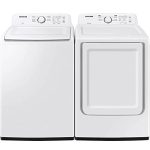
You pull your favorite shirt from the washer, only to find the ghost of a spaghetti sauce stain still smirking back at you. It’s a modern laundry room defeat, made more frustrating by the array of buttons and cycles on your washing machine that promised to help. In an era of high-efficiency detergents and smart appliances, why do stubborn stains persist? The answer often lies not in the detergent alone, but in the critical, yet overlooked, partnership between stain type, treatment technique, and the precise washer settings you select.
Understanding this synergy is essential because it saves money, clothing, and sanity. Harsh stain removal methods can damage fabrics, while re-washing loads wastes water, energy, and time. This article will demystify your washing machine’s capabilities, moving beyond the basic "normal" cycle. You will learn a systematic approach to conquering common tough stains—from grass and grease to blood and wine—by pre-treating correctly and then harnessing the specific power of temperature, agitation, and soak times built into your machine’s settings. We’ll translate cycle names into actionable strategies, ensuring your next laundry load emerges truly victorious.
The Foundation: Understanding Stain Types and Pre-Treatment
The first rule of stain removal is to identify your enemy. Stains are generally categorized by their composition, which dictates how they should be attacked. Protein-based stains include blood, egg, dairy, and bodily fluids. These are set by heat, so cold water is non-negotiable. Tannin stains, from coffee, tea, wine, and fruit, often respond to heat but can be tricky. Oil and grease stains, like cooking oil, butter, and makeup, require a different approach to break down their fatty molecules. Finally, combination stains, such as gravy or chocolate, contain both protein and tannin or grease elements, requiring a multi-step removal process.
Pre-treatment is the non-negotiable first strike in your stain removal campaign. For most fresh stains, immediately rinsing the backside of the fabric with cold, running water can flush out a significant amount of the staining substance. After rinsing, apply a pre-treatment. This can be a commercial stain remover, a paste of liquid detergent and water, or a trusted DIY solution like a mixture of baking soda and vinegar for odors, or dish soap (like Dawn) for grease stains. The key is to work the pre-treatment into the fibers gently with your fingers or a soft brush and let it dwell for at least 5-15 minutes before washing; for tough stains, allowing it to sit for up to an hour is even better.
Never make the critical mistake of drying the garment until you are certain the stain is gone. The heat from a dryer will polymerize the stain, bonding it permanently to the fibers. After your wash cycle, always air-dry the item first to check your work. If the stain remains, you can repeat the pre-treatment and washing process without having baked the stain into oblivion. This simple habit of checking before drying is one of the most powerful tools in maintaining a stain-free wardrobe.
Decoding Your Washer’s Cycles: Beyond Normal and Delicate
Modern washers offer a suite of cycles, each a specific program of water temperature, agitation intensity, soak duration, and spin speed. The "Normal" or "Cotton" cycle typically uses hot water and high agitation—great for very soiled cottons but disastrous for a wine stain on a silk blend. The "Delicate" or "Hand Wash" cycle uses cold or warm water with very gentle agitation and a slow spin, protecting fabrics but providing minimal cleaning power for a ground-in stain. The true power for stain removal lies in the specialized cycles many overlook.
The "Heavy Duty" or "Whites" cycle is your ally for colorfast cottons and linens with tough, non-protein stains. It uses the hottest water and longest, most vigorous agitation. Conversely, the "Cold Wash" setting is imperative for protein stains and bright colors, but ensure you use a detergent formulated for cold water to compensate for the lower temperature. The "Stain Wash," "Soak," or "Pre-Wash" cycles are your secret weapons. These cycles typically involve an extended period of soaking or tumbling in a pre-wash detergent or the main detergent before the main wash begins, giving pre-treatments extra time to work.
For combination stains or unknown origins, the "Auto" or "Sensor" cycle can be surprisingly effective. These cycles use sensors to determine soil level and adjust water usage, temperature, and cycle time accordingly. If you have a heavily soiled item with a tough stain, this cycle may provide a longer, more customized wash than a standard timed cycle. Familiarize yourself with your machine’s manual; knowing the exact sequence of a "Bulky Items" vs. a "Sanitize" cycle can mean the difference between a clean patio cushion cover and a ruined one.
The Temperature Trio: Hot, Warm, and Cold Water Strategies
Water temperature is not a minor detail; it is a primary chemical actor in the cleaning process. Hot water, typically 130°F and above, is excellent for dissolving heavy soils, oils, and greases. It also sanitizes and is ideal for white cotton sheets, towels, and heavily soiled work clothes that are not stained with protein. However, hot water can set protein stains like blood, cause dyes to bleed, and shrink many synthetic fabrics. It should be used judiciously and almost never on colored clothing with an unknown stain.
Warm water, around 90-110°F, is the most versatile and commonly recommended temperature for general washing. It provides a good balance of soil removal and fabric safety. It helps dissolve powdered detergents and laundry additives more effectively than cold water and is suitable for most synthetic blends, moderately soiled items, and many colorfast fabrics. For many combination stains, a warm wash following a cold pre-rinse and pre-treatment is the safest, most effective protocol. It provides enough energy to help cleaners work without setting the stain components.
Cold water, below 80°F, is essential for preventing stain setting and fabric damage. Always use cold water for protein-based stains, as well as for bright or dark colors to prevent fading and dye transfer. Today’s cold-water-specific detergents are engineered with enzymes that activate at lower temperatures, making cold washing more effective than ever for both stain removal and energy savings. For a grass stain on jeans or a blood stain on a shirt, a cold water wash on an appropriate cycle is the definitive setting. It preserves fabrics, saves energy, and, when paired with proper pre-treatment, tackles a wide array of stains effectively.
Action Plans for Common Tough Stains
Let’s apply the principles to specific adversaries. For a red wine or coffee (tannin) stain on a cotton tablecloth, first blot up excess liquid. Then, if the fabric is colorfast, pour a small amount of boiling water over the stain from a height (this can help flush it out). Follow with a pre-treatment of liquid detergent. Wash using the "Heavy Duty" cycle with the warmest water safe for the fabric, adding a color-safe bleach like hydrogen peroxide to the drum or detergent dispenser.
Grease or oil stains on a work shirt require a different tactic. Immediately apply a few drops of clear dish soap or a dedicated grease-fighting pre-treatment spray to the stain and rub in gently. Let it sit for 20 minutes. Wash the item separately or with similarly soiled garments using the "Heavy Duty" cycle and the hottest water the fabric can tolerate. The combination of the degreasing pre-treatment, hot water, and vigorous agitation will break down and suspend the oil so it can be rinsed away.
For the dreaded grass stain on kids' jeans or a soccer jersey, scrape off any solid debris. Pre-treat with a paste of baking soda and water, or a stain remover containing enzymes. Because grass contains both plant pigments and sometimes proteins, a cautious approach is best. Wash the item in a full load (to increase agitation) using the "Normal" or "Stain Wash" cycle with cold water. Check the stain before drying; if it persists, a second application of pre-treatment and a warm water wash may be necessary. Avoid hot water initially, as it can set any protein elements.
Advanced Tactics and Maintenance for Peak Performance
To elevate your stain removal game, consider strategic add-ins. Oxygen-based bleach (like OxiClean) is a versatile ally for colorfast fabrics. Add it to the drum with your laundry on a warm or hot cycle for extra stain-fighting power on dingy whites or patterned cottons. White vinegar added to the fabric softener dispenser during the rinse cycle can help break down residual detergent and mineral deposits, which can sometimes trap stain particles, leaving clothes brighter. For musty smells or sweat stains, a pre-soak in a solution of oxygen bleach and water for 30 minutes before the main wash can work wonders.
Your washing machine itself needs care to perform optimally. Regularly clean the detergent dispenser drawer to prevent clogs of hardened detergent that can impede proper dosing. Run a monthly maintenance cycle with a washing machine cleaner or two cups of white vinegar on a hot water cycle to dissolve internal residue, mold, and mildew. This ensures that the water and detergent flowing into the drum are clean and effective, not contaminated by old grime that could redeposit on clothes.
Finally, document what works. Laundry is a practical science. If you discover that a 30-minute soak in enzyme pre-treatment followed by a cold "Stain Wash" cycle consistently removes your pet’s accidents from synthetic bedding, make a note of it. Create a simple reference chart on your phone or inside a cabinet door for your most common stain challenges. This turns the process from a frantic guess into a repeatable, successful protocol, saving you time and preserving your clothing investment for years to come.
Key Takeaways
- ✓ Always identify the stain type (protein, tannin, grease) before treatment, as using the wrong method can set the stain permanently.
- ✓ Pre-treatment is non-negotiable; allow it adequate dwell time and always air-dry an item to check for stain removal before using the dryer.
- ✓ Master your washer’s specialized cycles like "Stain Wash," "Soak," and "Heavy Duty," as they are designed for specific soil levels and fabric types.
- ✓ Match water temperature to the stain: cold for proteins and colors, hot for grease and sanitizing whites, and warm for versatile, general washing.
- ✓ Maintain your washing machine with regular cleaning cycles to ensure it delivers optimal cleaning power and doesn’t redeposit grime onto clothes.
Frequently Asked Questions
Can I just use the hottest water possible for all tough stains?
No, this is a common mistake. Hot water is excellent for grease and heavy soil but will permanently set protein-based stains like blood, egg, or milk. It can also cause dyes to bleed and shrink many fabrics. Always use cold water for protein stains and unknown stains, and reserve hot water for colorfast whites and linens with non-protein soils.
What is the single most important step I’m probably missing?
The pre-treatment dwell time. Most people spray a stain remover and immediately throw the item in the washer. For a tough stain, the pre-treatment needs time—at least 5-15 minutes, and up to an hour for severe stains—to penetrate and break down the staining molecules. Patience in this step dramatically increases success.
Is the "Pre-Wash" or "Soak" cycle on my machine worth using?
Absolutely. These cycles are specifically designed for stain removal. They typically add a period of soaking or tumbling with detergent before the main wash begins. This extends the action of your pre-treatment and is particularly valuable for heavily soiled items or set-in stains. It’s a more controlled and effective method than just adding more detergent to the main wash.
How do I handle an old, set-in stain that has already been dried?
Old, set-in stains are challenging but not always hopeless. Re-wet the area and apply a concentrated pre-treatment paste (heavy-duty liquid detergent or an enzyme-based remover). Let it sit for several hours or overnight. Then, wash using the "Stain Wash" or "Heavy Duty" cycle with the warmest water safe for the fabric, adding an oxygen-based bleach to the drum. Repeat if necessary. Success is not guaranteed, but this gives you the best chance.
Does using more detergent get out tougher stains?
Not necessarily, and it can be counterproductive. Excess detergent doesn’t rinse out completely, leaving a residue on fabrics that can attract more dirt and make colors look dull. It can also lead to mold growth in your machine. Use the recommended amount of a quality detergent, and focus instead on proper pre-treatment, cycle selection, and water temperature for stain removal.
Conclusion
Conquering tough stains is less about harsh chemicals and more about intelligent strategy. By understanding the nature of the stain, executing a proper pre-treatment, and then strategically leveraging the specific programs on your washing machine—particularly water temperature and specialized cycles—you transform laundry from a chore of hope into a process of certainty. The tools for pristine clothing are already at your fingertips, embedded in the control panel of your appliance and the basics of stain science.
Begin your next laundry session with intention. Identify one common stain that plagues your household and apply the targeted approach outlined here. Consult your washer’s manual to truly understand its cycles, and perform a simple cleaning cycle to ensure it’s operating at peak efficiency. With this knowledge, you can confidently preserve your garments, save resources, and finally declare victory over even the most stubborn laundry foes.

Oliver Bennett is a home appliance writer specializing in washer and dryer solutions, laundry care, and energy-efficient appliances. He provides detailed reviews, buying guides, and maintenance tips to help users choose reliable machines and achieve better laundry results.