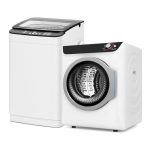
That moment of dread is all too familiar: you look at your king size comforter, a cozy haven that’s now stained, musty, or just in need of a refresh, and you wonder if your home washing machine is up to the task. The thought of a costly professional cleaning or the risk of ruining your favorite bedding can be paralyzing. But what if you could safely and effectively wash your king comforter at home, restoring its fluff and freshness with confidence?
This topic matters because a king comforter is a significant investment for your sleep sanctuary and comfort. Improper washing can lead to clumping, damage to the fill, shrinkage, or even a broken washing machine. In this comprehensive guide, you will learn the step-by-step process, from pre-treatment to drying, tailored for modern machines and materials available in 2026. We’ll cover how to assess your washer’s capacity, choose the right settings for down, synthetic, or alternative fills, and employ pro tips to ensure your comforter comes out looking and feeling like new.
Pre-Wash Assessment and Preparation
Before you even think about starting a cycle, the crucial first step is to assess both your comforter and your washing machine. Check the care label on your comforter meticulously; it is your primary source of truth. It will specify the fill type (down, down alternative, cotton, wool), water temperature limits, and whether machine washing is recommended. Simultaneously, you must evaluate your washer’s capacity. A standard king comforter requires a large-capacity, front-loading washer or a top-loader without a central agitator for optimal results. Agitator-style top-loaders can be too rough, potentially tearing the fabric or causing unbalanced loads. If your machine is not large enough, seeking out an oversized commercial machine at a laundromat is a safer and more effective alternative.
Next, conduct a thorough inspection and pre-treatment of the comforter. Examine all seams for any small tears or loose threads and repair them with a needle and thread to prevent a catastrophic fill leak during the wash. Spot-treat any visible stains using a gentle, compatible stain remover. For oil-based stains, a dab of dish soap can work wonders; for organic stains like coffee or wine, a mixture of hydrogen peroxide and dish soap is effective. Apply the treatment, gently rub it in, and let it sit for 15-20 minutes. This focused attention before the wash increases the likelihood of complete stain removal without needing harsh overall chemicals.
Finally, ensure the comforter is balanced for washing. Even in a large drum, a king comforter can absorb water unevenly and become a heavy, lopsided mass. To mitigate this, you can add a counterweight. The best practice is to include two or three additional items, such as clean bath towels or a couple of pillowcases, of similar color and fabric care requirements. This helps balance the load, allowing the machine to distribute weight evenly and spin properly, which is critical for efficient drying later on. Never wash the comforter with items that have zippers, hooks, or rough textures that could snag the delicate fabric.
Selecting Detergents and Cycle Settings
Choosing the correct cleaning agents is non-negotiable for preserving your comforter’s integrity. For down or feather comforters, you must use a detergent specifically formulated for down. These detergents are designed to cleanse without stripping the natural oils that keep down clusters soft and resilient. For synthetic down alternatives, cotton, or wool fills, a mild, liquid HE (High-Efficiency) detergent is ideal. Avoid using standard powdered detergents, fabric softeners, or bleach at all costs. Powdered detergents may not fully dissolve in a large, bulky load, leaving residues that clump the fill. Fabric softeners coat fibers, reducing breathability and absorbency, while bleach can weaken fabrics and cause discoloration.
The washing cycle settings are your command center for a successful clean. Always select the gentle or delicate cycle. This setting uses slower agitation and spin speeds, which are gentle on the seams and fill. Use cold or warm water as specified by the care label; hot water is rarely needed and can damage fills or cause shrinkage. The extra rinse cycle is your best friend—enable it. Bulky items like king comforters can trap soap deep within their fill, and an extra rinse ensures all detergent is thoroughly flushed out, preventing residue that leads to clumping and skin irritation.
For an added boost of cleanliness and freshness, consider natural alternatives during the rinse cycle. Instead of commercial softeners, add half a cup of white vinegar to the fabric softener dispenser or during the final rinse. Vinegar naturally breaks down any lingering detergent, neutralizes odors, and doesn’t leave a smell once the item is dry. If you desire a fresh scent, add a few drops of essential oils like lavender or eucalyptus to a wool dryer ball when you move to the drying stage, not directly into the wash, as oils can stain.
The Drying Process: Patience is Key
Drying a king comforter is arguably more critical than washing it, and rushing this step is the most common cause of failure. The golden rule is to never, under any circumstances, use high heat. High heat can melt synthetic fibers, scorch down clusters, shrink fabric, and create permanent clumps of fill. Always opt for a low heat or air fluff (no heat) setting. If your dryer has a "Bedding" or "Bulky Items" setting, use it, as it typically employs a longer cycle with consistent, gentle heat and more frequent tumbling to prevent bunching.
To ensure even drying and restore fluffiness, you must employ mechanical action inside the dryer. Place two or three clean, dry tennis balls or specialized wool dryer balls into the drum with the comforter. These balls will bounce around, physically breaking up clumps of down or synthetic fill and helping to redistribute the material evenly as it dries. This step is essential to prevent the fill from matting in the corners. Periodically, every 30-45 minutes, stop the dryer and manually redistribute the comforter. Pull it out, shake it vigorously, and fluff it by hand to expose any damp, bunched-up sections to the airflow.
Expect the drying process to take a long time—anywhere from two to four hours or more, depending on the fill’s thickness and your dryer’s efficiency. Do not assume it’s dry just because the outside feels dry. Carefully feel through the entire comforter, especially in the center and along the quilted channels, for any damp or cool spots. Any remaining moisture will lead to mildew and a musty smell. If your comforter is too large for your dryer or you’re concerned about heat, consider air-drying it outdoors on a clean, sunny, breezy day, draped over two parallel clotheslines to allow air circulation underneath. Rotate and fluff it every few hours.
Post-Wash Care and Fluffing Restoration
Once your comforter is completely dry, your work isn’t quite finished. The immediate post-dry period is crucial for setting its loft and comfort. As soon as you remove it from the dryer, give it a final, vigorous shake from all sides. This helps to aerate the fill one last time and settle it evenly. Lay the comforter flat on your bed or a large, clean surface. Gently pat and smooth it out, paying attention to the quilted sections to ensure fill is distributed within each pocket.
For comforters that still feel slightly flat or have minor clumps, use a manual technique to restore loft. For down comforters, you can gently massage the quilted squares between your fingers, working from the outside toward the center to break apart any stubborn clusters. For synthetic fills, a light beating or shaking of each section can help. Some experts recommend putting the comforter back in the dryer on an air-only cycle with dryer balls for another 20-30 minutes if it seems compacted, as the tumbling action without heat can further fluff it.
Proper storage is the final act of care. Never store a freshly washed comforter in a plastic bag or vacuum-sealed storage bag for long periods, as this can trap moisture and damage the fill. Instead, use a breathable cotton storage bag or a pillowcase and store it in a cool, dry place like a linen closet. Before storing, ensure the comforter is 100% dry and has acclimated to room temperature to prevent any condensation. If you use a duvet cover, putting it on immediately after washing and fluffing will help protect the comforter and reduce the frequency of necessary deep cleans.
Troubleshooting Common Problems
Even with the best preparation, issues can arise. Knowing how to troubleshoot them saves your comforter from permanent damage. The most alarming problem is a washer or dryer becoming violently unbalanced. If your machine starts thumping loudly or stops mid-cycle, immediately pause it. Redistribute the comforter and any balancing items by hand, ensuring the load is centered. For top-loaders, you may need to manually rotate the drum to reposition the comforter. Running a spin cycle on a severely unbalanced load can damage your appliance’s suspension and drum.
Another frequent issue is clumping of the fill, particularly with down or down-alternative comforters. If you discover clumps after drying, all is not lost. Do not pick or pull at them. Instead, return the comforter to the dryer with three or four clean, dry tennis balls or wool dryer balls and run it on an air-fluff (no heat) cycle for 60-90 minutes. The sustained tumbling and impact from the balls will often break apart the clumps. For persistent clumps, you can carefully use your fingers to gently massage and separate the fill from the outside of the fabric, working it back into the quilted squares.
Finally, address lingering odors or detergent residue. A musty smell indicates trapped moisture or incomplete rinsing. Wash the comforter again, using half the recommended detergent and adding an extra rinse cycle. For vinegar-like or chemical smells from residue, run a wash cycle with no detergent at all, using only warm water and a cup of white vinegar, followed by two extra rinse cycles. To prevent future problems, always double-check that you are using the correct, minimal amount of HE detergent for an extra-large load and never skip the extra rinse option.
Key Takeaways
- ✓ Always check your washer’s capacity and your comforter’s care label; a front-loader or large-capacity, non-agitator top-loader is essential.
- ✓ Use a mild, appropriate detergent (down-specific or liquid HE), avoid fabric softener and bleach, and always enable the extra rinse cycle.
- ✓ Dry on low or no heat with dryer balls, be patient through multiple cycles, and ensure the comforter is 100% dry to the touch in the center.
- ✓ Regularly stop the dryer to manually fluff and redistribute the comforter to prevent clumping and ensure even drying.
- ✓ Post-wash, give the comforter a final shake and store it in a breathable bag to maintain its loft and freshness between uses.
Frequently Asked Questions
Can I really wash a king size comforter in a regular top-loading washer with an agitator?
It is strongly discouraged. The central agitator can be too abrasive, putting stress on the seams and potentially tearing the fabric. It also doesn’t provide enough room for the comforter to move freely and get clean. This often leads to an unbalanced load, which can damage your washer. Using a large-capacity front-loader or a top-loader without an agitator is far safer and more effective.
How often should I wash my king size comforter?
For optimal hygiene and longevity, aim to wash your comforter every 2-3 months if used without a duvet cover. If you use a protective duvet cover and wash that every 1-2 weeks, you can extend the time between comforter washes to every 6-12 months, unless spills or odors occur sooner. Always follow the specific care instructions for your comforter’s fill material.
Is it okay to take a wet comforter to a commercial dryer?
Yes, this is a smart strategy if your home dryer is too small. Wash the comforter at home if your washer can handle it, then transport it damp to a laundromat with oversized, high-capacity dryers. These commercial dryers are more powerful and can handle the bulk more efficiently, often drying the comforter faster and more evenly than a residential model.
What should I do if my down comforter has a foul smell after washing?
A persistent foul smell usually indicates mildew from incomplete drying. You must re-wash it to kill the mildew. Use a mild detergent and add one cup of white vinegar to the wash cycle for its disinfecting properties. Then, dry it thoroughly with dryer balls, checking meticulously for damp spots. Ensure it is bone-dry before use. To prevent this, always verify the comforter is completely dry, not just on the surface.
Can I use dryer sheets when drying my comforter?
No, you should avoid dryer sheets. Similar to liquid fabric softener, dryer sheets leave a waxy coating on fabrics and fills. This coating can reduce the breathability and moisture-wicking properties of your comforter and may contribute to clumping of the fill over time. For softening and static reduction, use wool dryer balls, which are natural, reusable, and improve airflow.
Conclusion
Washing a king size comforter at home is a manageable task that requires careful preparation, the right tools, and a generous dose of patience. By thoroughly assessing your machine and comforter, selecting gentle detergents and cycles, committing to a thorough, low-heat drying process with aids like dryer balls, and knowing how to troubleshoot common issues, you can successfully refresh your bedding and extend its life. This process not only saves money on professional cleaning but also gives you direct control over the cleanliness and care of your sleep environment.
Do not let the size of the task intimidate you. With this guide as your reference, approach your next king comforter wash with confidence. Start by checking that care label and evaluating your machine. Remember, the investment of time and careful attention pays off in the ultimate reward: a deeply clean, fluffy, and inviting comforter that promises nights of superior comfort and restful sleep. Your laundry room is ready for the challenge.

Oliver Bennett is a home appliance writer specializing in washer and dryer solutions, laundry care, and energy-efficient appliances. He provides detailed reviews, buying guides, and maintenance tips to help users choose reliable machines and achieve better laundry results.