You've just purchased a sleek new washer and dryer set, and the idea of stacking them to save precious floor space is incredibly appealing. But as you stare at the unassuming box labeled "Stacking Kit," a wave of uncertainty hits. Can you really secure hundreds of pounds of vibrating appliances safely, or is this a job strictly for the pros? The good news is that with the right preparation, tools, and guidance, installing a stacking kit is a highly achievable DIY project that can save you money and give you immense satisfaction.
This topic matters because a proper installation is not just about convenience; it's a critical safety issue. An incorrectly stacked laundry pair can shift, wobble, or even topple, causing severe damage to your appliances, your home, and posing a serious injury risk. This comprehensive guide will walk you through the entire process, from verifying compatibility and gathering tools to the final bolt-tightening and leveling checks. You will learn the universal principles of stacking, along with model-specific nuances, ensuring your stacked laundry center is as secure as it is space-efficient.
Pre-Installation: Planning and Safety First
Before you touch a single tool, the most crucial step is confirming compatibility. Not all washers and dryers are designed to be stacked, and using a generic kit on incompatible units is dangerous. First, consult your appliance manuals. Most manufacturers sell specific stacking kits designed for your exact models, which include the correct brackets, bolts, and often a front panel to create a seamless look. If you've lost the manuals, search online using your model numbers (found on the inside door rim or back panel) to find the manufacturer-recommended kit. Using the official kit is always the safest and most reliable approach.
Next, prepare your installation space. Ensure the floor is level, solid, and can support the significant combined weight, which can exceed300 pounds. Carpeting should be avoided or, if unavoidable, a solid plywood base should be placed underneath to provide a firm foundation. Clear a wide area around the appliances and have a helper on standby—dryers, especially, are awkward and heavy to lift. Gather all necessary tools ahead of time; typically, you'll need a socket wrench set, a flathead and Phillips screwdriver, a level, a measuring tape, and possibly a putty knife for wire management.
Finally, address safety protocols. Unplug both the washer and dryer from their electrical outlets. Shut off the water supply lines to the washer and disconnect the drain hose and water hoses. For gas dryers, you must also shut off the gas supply valve before disconnecting the gas line—if you are uncomfortable with this step, consult a professional. Allow the dryer drum to cool completely if it has been in recent use. These steps eliminate risks of electric shock, water leaks, and gas exposure, creating a safe working environment.
Gathering Your Tools and Kit Components
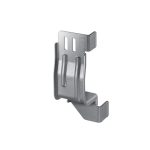
A successful installation hinges on having everything you need at your fingertips. Start by laying out all the components from your stacking kit on a clean towel or sheet. A typical kit will include: a large metal stacking bracket (the backbone of the setup), bolts and nuts of various lengths, anti-vibration pads or rubber feet, a front stability bracket or strap, and often a rear alignment bracket. There may also be a trim kit or front panel to hide the gap between the two appliances. Familiarize yourself with each part by comparing them to the installation diagram provided in the kit instructions.
Your personal tool arsenal should be comprehensive. A cordless drill with socket attachments can significantly speed up the process, but a standard ratchet and socket set is perfectly adequate. You will need both metric and standard sockets, as manufacturers vary. A magnetic tip on your screwdriver can be a lifesaver for holding small bolts in tight spaces. A high-quality, long carpenter's level is essential for checking both appliances independently and as a stacked unit. Have a set of adjustable wrenches for the water line connections and a pair of pliers for hose clamps.
Do not underestimate the value of ancillary supplies. Keep a small bowl or magnetic parts tray nearby to hold screws and bolts so they don't get lost. Have a roll of Teflon tape for re-sealing water line threads if needed. A flashlight or headlamp will illuminate dark spaces behind the appliances. For managing the dryer vent hose, some duct tape or a foil tape designed for dryer vents can be useful for securing connections without restricting airflow. Being prepared prevents mid-project frustration and trips to the hardware store.
Step-by-Step Installation Process
Begin by preparing the washer, which will always be the base unit. Following your specific kit instructions, locate the pre-drilled holes on the top of the washer cabinet. Often, you will need to remove a small plastic cover or plug. Attach the provided rubber anti-vibration pads or feet to these holes using the shorter bolts. These pads are critical—they cushion the dryer, reduce noise, and prevent metal-on-metal contact. Ensure the bolts are snug but do not overtighten, as you could strip the threads in the washer's sheet metal.
Now, carefully lift and place the large main stacking bracket onto the washer. This bracket typically spans the width of the washer and has arms that extend forward. Align the holes in the bracket with the bolts you just installed (they will poke through the pads). From underneath, secure the bracket with the provided nuts and washers, tightening them firmly with your socket wrench. Double-check that the bracket is centered and square on the washer. This bracket is the primary load-bearing component, so its security is non-negotiable.
With the bracket secured, it's time for the lift. With your helper, carefully lift the dryer and guide it onto the stacking bracket. This is a two-person job: one person lifts from the bottom while the other guides the top and ensures the dryer's rear alignment slots or feet engage with the bracket. The dryer should slide back until it is firmly seated against the rear stops. Do not force it. Once seated, locate the front connection points, usually on the dryer's toe panel or front frame. Attach the front stability bracket or strap, which prevents the dryer from tipping forward, and tighten all bolts securely.
Securing Connections and Final Adjustments
With the appliances physically stacked, the next phase is reconnecting all utilities safely. For the washer, reconnect the water supply hoses (hot and cold) and the drain hose. Use new hoses if your old ones show wear. For the dryer, if it's electric, plug the power cord into the outlet. If it's gas, carefully reconnect the gas line using two wrenches to avoid twisting the line, apply pipe thread sealant or Teflon tape as directed, and check for leaks with a soapy water solution. Reconnect the vent hose, ensuring it's as short and straight as possible to maintain efficiency and reduce lint buildup.
Now, perform the critical stability and leveling checks. Use your level on the top of the dryer, both from side-to-side and front-to-back. An unlevel stack will vibrate excessively and can walk itself out of alignment. To adjust, you will adjust the leveling feet on the washer. Have your helper gently tilt the entire stack back while you use a wrench to turn the washer's front feet to raise or lower each corner. This is a iterative process—adjust, lower, and re-check with the level. The goal is for the stack to be perfectly level and feel solid, with no rocking when you push on the top corners.
Finally, run a comprehensive cycle. Without any laundry, run the washer through a quick wash cycle and the dryer on an air-fluff (no heat) cycle for 10-15 minutes. Observe carefully. Listen for unusual banging or grinding noises. Watch for excessive vibration or movement. The stack should be stable and relatively quiet. If you notice significant shaking, re-check all bolt tightness and re-verify your leveling. Also, check behind the stack for any signs of water drips or a loose vent connection. This test run confirms the safety and functionality of your installation.
Maintenance and Troubleshooting Your Stacked Set
Regular maintenance is key to the long-term safety and performance of your stacked laundry center. Every few months, visually inspect the stacking brackets and bolts for any signs of loosening or rust. Gently try to rock the dryer; if there's movement, tighten the front stability bracket bolts. Keep the area around the appliances clean and free of lint, which can be a fire hazard, especially near the dryer vent connection. Ensure the dryer vent is cleaned out at least once a year to prevent overheating and improve efficiency.
Common issues have straightforward solutions. If you experience excessive vibration during the spin cycle, first ensure the installation is level. Next, check that the washer itself is balanced; an unbalanced load in the washer will cause the entire stack to shake. Make sure both appliances are perfectly perpendicular to the wall and that the dryer vent hose is not kinked or pushing against the stack. A persistent knocking sound may indicate a loose bolt in the stacking hardware or something internal to an appliance, like a worn shock absorber in the washer.
For ongoing care, adopt smart usage habits. Avoid overloading the washer, as this stresses the suspension and transfers more force to the stack. When moving laundry from the washer to the dryer, be mindful not to pull or lean heavily on the dryer door, as this can place lateral stress on the stacking brackets. Consider using vibration-dampening mats underneath the washer's feet if your floor is particularly rigid, like concrete. By incorporating these simple checks and habits, your stacked laundry pair will provide reliable, space-saving service for years to come.
Key Takeaways
- ✓ Always use the manufacturer-recommended stacking kit for your specific washer and dryer models to ensure compatibility and safety.
- ✓ Never attempt the installation alone; a helper is essential for safely lifting the dryer and for stability during leveling adjustments.
- ✓ A perfectly level base (the washer) is the single most important factor in preventing excessive vibration and ensuring stack stability.
- ✓ Always disconnect all utilities—power, water, and gas—before beginning any work on the appliances.
- ✓ Conduct a thorough test run with empty appliances after installation to check for leaks, unusual noises, and excessive movement before regular use.
Frequently Asked Questions
Can I stack any washer and dryer with a universal stacking kit?
No, you cannot. Washers and dryers must be designed and approved by the manufacturer for stacking. Their cabinets must be reinforced to handle the load, and they need specific attachment points. A universal kit may not align correctly, creating a major safety hazard. Always check your appliance manuals and purchase the kit designed for your exact model numbers.
How much weight can a stacking kit hold? Is it safe?
Manufacturer-designed stacking kits are engineered to hold the full weight of your specific dryer model, which typically ranges from 100 to 150 pounds. When installed correctly following all instructions, they are very safe. The safety comes from the combination of the reinforced appliance frames, the heavy-duty steel bracket, and the anti-vibration components working together as a system.
Do I need special tools to install a washer dryer stacking kit?
You generally need common household tools: a socket wrench set with various sockets (both metric and standard), screwdrivers, a level, an adjustable wrench, and pliers. A cordless drill can make the job faster but is not required. The most important "tool" is a second person to help with the heavy lifting.
My stacked unit vibrates a lot during the spin cycle. What should I do?
First, re-check that the entire stack is perfectly level using a carpenter's level on top of the dryer. Adjust the washer's front leveling feet as needed. Second, ensure the washer itself is not overloaded or unbalanced with a lopsided load. Third, verify all bolts in the stacking kit are tightened securely. Persistent vibration could also indicate an issue with the washer's internal suspension.
Can I install a stacking kit on a front-load washer and a top-load dryer?
Almost never. Stacking is almost exclusively for front-loading laundry pairs. Top-load dryers do not have the structural design or the flat, stable top surface required to be the base unit. Furthermore, you need to access the top-loading washer's lid. Always confirm both units are front-loaders designed for stacking.
Conclusion
Installing a washer dryer stacking kit is a manageable DIY project that rewards you with valuable floor space and a streamlined laundry area. By meticulously following the steps of planning, gathering the right tools and manufacturer-specific kit, executing the physical stacking and securing process, and performing thorough final checks, you can achieve a professional-grade, safe installation. The process underscores the importance of compatibility, leveling, and secure connections above all else.
Now that your laundry center is securely stacked and operational, you can enjoy the benefits of your efficient new setup. Share your success with others considering the project, and maintain your diligence with periodic safety checks. Remember, the time and care invested in a proper installation pays dividends in safety, appliance longevity, and daily convenience for years to come.

Oliver Bennett is a home appliance writer specializing in washer and dryer solutions, laundry care, and energy-efficient appliances. He provides detailed reviews, buying guides, and maintenance tips to help users choose reliable machines and achieve better laundry results.