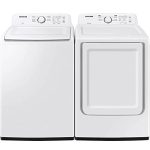
You hear it before you see it: a low rumble that builds into a thunderous, floor-shaking racket. Your washing machine has transformed from a humble appliance into a percussive beast, threatening to dance its way out of the laundry room. This common household drama is more than just an annoyance; it’s a cry for help from your machine, signaling that something is out of balance, literally and figuratively.
Understanding and fixing an excessively vibrating washer matters because ignoring it can lead to costly damage. Persistent shaking can crack floors, damage internal components like the suspension system or drum, and even cause water leaks. This article will equip you with a systematic, do-it-yourself approach to diagnose and resolve the most common causes of washer vibration. You’ll learn how to perform simple checks, execute practical fixes, and know when it’s time to call a professional, saving you money and restoring peace to your home.
The Foundation: Checking for an Unbalanced Load
The most frequent culprit behind a shaking washing machine is an unbalanced load. Modern washers have sensors to correct minor imbalances, but a severely lopsided distribution of laundry overwhelms these systems. When heavy items like towels, jeans, or bedding clump together on one side of the drum, the spin cycle becomes an off-center whirl, causing the entire machine to wobble violently. This is especially true for high-efficiency front-load models, which spin at very high speeds to extract water.
To visualize this, imagine spinning a bicycle wheel with a heavy weight attached to one spoke. The wheel would wobble erratically. Your washer’s drum operates on the same principle. An unbalanced load doesn’t just cause noise; it forces the machine’s suspension springs and shock absorbers to work overtime, accelerating their wear and tear. Over time, this stress can lead to permanent damage to these crucial components, turning a simple fix into a major repair.
The actionable fix is simple: pause the cycle. Most machines allow you to pause mid-cycle. Once the drum has stopped, open the door and redistribute the laundry manually. Try to mix large and small items, and ensure the load is spread evenly around the circumference of the drum. A good rule of thumb is to fill the drum no more than three-quarters full and to avoid washing a single, very heavy item like a comforter by itself. For bulky items, balance them with a few smaller towels.
Leveling and Stability: The Critical First Step
If your load is balanced but the shaking persists, the next step is to check if your washing machine is perfectly level and stable. An unlevel washer cannot distribute its weight evenly during a spin, guaranteeing a shaky performance. This is a fundamental setup issue that is often overlooked. Even a slight tilt can be amplified at high spin speeds, causing the machine to "walk" or rock.
To check the level, place a carpenter’s level on top of the machine, first from side to side (left to right), then from front to back. Observe where the bubble sits. If it’s not centered, you need to adjust the machine’s feet. Modern washing machines have adjustable front feet, typically turned by hand or with a wrench, while the back feet are often self-adjusting or require tilting the machine to access. Never use wooden blocks or shims, as they can compress and become a safety hazard; always use the machine’s built-in adjustment system.
Here’s the practical procedure: First, loosen the locking nuts on the front feet if present. Then, carefully tilt the machine back (have a helper for this) and adjust the rear feet if possible. For the front, turn the feet clockwise to raise that corner or counter-clockwise to lower it. Make small adjustments, then lower the machine and re-check with the level. Once level, ensure all four feet are firmly planted on the floor. Finally, perform the "rock test": try to rock the machine diagonally (from top-left corner to bottom-right). It should not rock more than a few millimeters; if it does, one foot is still not fully contacting the floor.
Inspecting and Replacing the Shock Absorbers and Springs
Inside your washing machine, a suspension system—comprising springs and shock absorbers (or dampers)—is designed to control the movement of the inner drum, especially during the spin cycle. Over years of use, these components can wear out. Springs can lose their tension or even break, and shock absorber pistons can leak their hydraulic fluid, losing their ability to dampen motion. When this happens, even a perfectly balanced load will cause excessive vibration and banging.
The signs of failed suspension parts are distinct. You might hear loud banging or metal-on-metal clanging during agitation or spin. The machine may shake violently from the start of the spin cycle, not just when unbalanced. In some cases, you can visibly see the drum sagging to one side when the machine is off. For front-load washers, opening the door and pushing down on the drum can test the shocks; it should offer firm resistance and bounce back only once. If it’s loose, bouncy, or doesn’t rebound, the shocks are likely spent.
Replacing shocks and springs is a intermediate DIY task. You will need to unplug the machine, turn off the water supply, and typically remove the top and front or rear panels to access the components. It’s crucial to consult your machine’s service manual for the specific part numbers and disassembly steps. Always purchase OEM (Original Equipment Manufacturer) or high-quality aftermarket parts. While you’re in there, check the suspension rods or straps if your model has them. Taking photos during disassembly can be invaluable for reassembly.
The Drum and Mounting: Checking for Foreign Objects and Wear
Sometimes, the source of vibration isn’t the machine’s support system but the drum itself. Two primary issues can occur here: a foreign object lodged between the inner wash drum and the outer tub, or a failure of the drum mounting spider or bearings. Coins, bra wires, keys, and small toys can slip through the drum’s holes and get trapped in the gap. During a spin, this object will clatter loudly and cause significant imbalance and vibration.
To check for a foreign object, first, inspect the rubber bellows (the door seal on a front-loader) carefully, feeling for any hard objects. For a more thorough check, you may need to remove the agitator (in top-loaders) or gain access to the pump filter, as small objects often wash down into this area. Many machines have a clean-out filter or pump access panel at the front bottom. Clearing this filter can sometimes release trapped debris. If the noise is a consistent metallic scraping or grinding, an object is the likely suspect.
If no object is found and vibrations are accompanied by a loud grinding or rumbling noise—especially near the rear of the machine—the problem could be more severe. The drum is attached to a large, spider-like bracket (the spider arm) in the rear, which can crack over time due to stress and corrosion. Similarly, the central bearing that allows the drum to spin can wear out. Diagnosing this often requires removing the outer tub. Replacing a spider arm or bearing is a major repair, often comparable in cost to a new machine, and is generally a job for a skilled technician.
Transport Bolts, Flooring, and Anti-Vibration Pads
Key Takeaways
- ✓ An unbalanced laundry load is the most common cause of vibration; always pause and redistribute items if shaking occurs.
- ✓ A perfectly level machine is non-negotiable; use a carpenter’s level and adjust all feet until the machine is stable and doesn’t rock.
- ✓ Worn shock absorbers or springs will cause violent shaking and banging, and are a repairable DIY component on most models.
- ✓ Foreign objects trapped between the drums or a failing drum spider arm/bearing are serious causes of noise and vibration.
- ✓ Always remove shipping bolts after installation, and consider anti-vibration pads if your flooring amplifies the machine’s movement.
Frequently Asked Questions
Is it bad to let my washing machine vibrate?
Yes, absolutely. Chronic, excessive vibration accelerates wear on internal components like the suspension system, drum bearings, and even the motor. It can cause leaks, damage your flooring, and lead to much more expensive repairs down the line. It should be addressed promptly.
Can I use a washing machine on a second-floor or wooden floor?
You can, but it requires extra attention to stability. Ensure the floor is structurally sound, always level the machine perfectly, and strongly consider using high-quality anti-vibration pads designed for heavy appliances. Placing the washer perpendicular to the floor joists, near a load-bearing wall, can also reduce flex.
My washer only vibrates on the spin cycle. What does that mean?
Vibration primarily during high-speed spin is classic behavior for an unbalanced load or an unlevel machine. It can also point to beginning wear in the shock absorbers. Start by checking load distribution and leveling, as these are the simplest fixes.
What are the signs that my washer’s shock absorbers are broken?
Key signs include loud banging during agitation and spin, a drum that feels loose and bouncy when pushed down by hand (on a front-loader), visible sagging of the drum, and violent shaking that starts immediately at the beginning of the spin cycle, not just when unbalanced.
I removed a small object from the pump filter, but it’s still noisy. What now?
The object may have caused secondary damage, like scratching the outer tub or unbalancing the drum. It’s also possible another object remains, or the noise is from a separate issue like worn shocks or a failing bearing. If the noise persists after clearing debris, proceed to inspect the suspension and drum mounting.
Conclusion
A violently vibrating washing machine is a problem with a wide range of potential causes, from simple user error to significant mechanical failure. By methodically working through the checklist—starting with balancing the load and ensuring the machine is perfectly level, then moving on to inspect the suspension system, drum, and installation environment—you can diagnose and often resolve the issue yourself. These steps not only restore quiet operation but also extend the lifespan of your appliance and protect your home from collateral damage.
Do not resign yourself to the shake. Begin with the simplest, no-cost solutions today: redistribute your next load and grab a level to check your machine’s stance. Investing an hour in diagnosis and minor adjustments can save you hundreds in repairs and bring a welcome calm back to your laundry routine. If your troubleshooting points to a complex internal repair, consult your machine’s manual and assess your DIY comfort level, knowing when to call a professional is also a smart fix.

Oliver Bennett is a home appliance writer specializing in washer and dryer solutions, laundry care, and energy-efficient appliances. He provides detailed reviews, buying guides, and maintenance tips to help users choose reliable machines and achieve better laundry results.