
A dryer that tumbles but produces no heat is one of the most frustrating appliances problems you can face your clothes come out just as wet as they went in. The good news is that most of the reasons why a dryer would not heat are completely fixable, and I’m going to walk you through every single one of them.
I’ve been there. You throw a full load of laundry into the dryer, set the timer, walk away, and come back 45 minutes later expecting warm, dry clothes only to find them still damp and cold. The dryer drum was spinning just fine, but there was zero heat. It’s one of those home appliance headaches that can send you into a panic, especially if you’re in the USA, UK, Canada, or Australia where laundry day is a non-negotiable part of the weekly routine.
The thing is, a dryer not heating doesn’t always mean it’s broken beyond repair or that you need to call an expensive technician right away. Most of the time, the fix is something you can diagnose and sometimes even handle yourself. I’ve put together this complete guide to help you figure out exactly what’s going on with your machine, save money on dryer repair costs, and get your appliance back to working order fast.
What Happens When a Dryer Doesn’t Heat?
Before we get into the specific causes, let me explain what’s actually happening when your dryer runs but won’t heat. The drum motor and heating element are two completely separate systems inside your machine. That’s why it’s entirely possible for the drum to spin perfectly while the heat function fails completely. A dryer not producing heat is almost always an electrical, mechanical, or airflow issue — and each one points to a different part of the machine.
“The most common appliance repair mistakes are the ones homeowners make trying to fix problems they haven’t properly diagnosed first.” — Bob Vila, Home Improvement Expert
Top Reasons Why a Dryer Would Not Heat
1. A Blown Thermal Fuse
This is, without question, the number one reason a dryer stops heating. Every dryer — whether it’s a gas dryer or electric dryer — has a thermal fuse. This small component is a one-time safety device designed to blow (burn out) if the dryer gets too hot. Once it blows, it cuts off the heat circuit permanently until you replace it.
The thermal fuse is usually located on the exhaust duct inside the dryer cabinet. You can test it with a multimeter for continuity. If there’s no continuity, the fuse is blown and needs replacing. The part itself is inexpensive — usually between $5–$20 — and if you’re comfortable with basic DIY work, this is a very doable repair.
Pain point solved: Many people replace the fuse but don’t address what caused it to blow in the first place (usually a clogged vent). I’ll cover that shortly.
2. A Faulty Heating Element (Electric Dryers)
If you have an electric dryer and the thermal fuse checks out fine, the next thing to look at is the heating element itself. The heating element is a coiled wire that heats up when electricity passes through it. Over time, this coil can break or burn out especially if the dryer has been overloaded regularly or operated with a blocked vent.
A broken heating element means no heat, even though everything else works fine. Testing it with a multimeter will tell you immediately whether it has continuity. If it doesn’t, it needs to be replaced. Heating element replacement costs can range from $20 to $80 for the part, and professional dryer repair labor can add another $75–$150 depending on where you live in the US, UK, Canada, or Australia.
3. A Defective Gas Valve Solenoid (Gas Dryers)
For those of you running a gas dryer, the culprit behind no heat is often the gas valve solenoid or sometimes multiple solenoids. These open and close the gas valve to allow gas flow to the burner. When one or more solenoids fail, the igniter may glow briefly, but the gas won’t flow, meaning no flame and no heat.
If you notice the igniter glowing but the burner doesn’t light (or lights and goes out quickly), this is a very strong sign of a gas valve solenoid problem. Replacing the solenoid kit usually costs $15–$40.
4. A Tripped or Blown Circuit Breaker
Here’s something a lot of people overlook, especially with electric dryers. Electric dryers use two separate 120V legs of power to operate one leg runs the motor, and the other runs the heating element. If the breaker leg that powers the heating circuit trips or partially blows, your dryer drum will spin but produce absolutely no heat.
Before anything else, go to your electrical panel and check the breaker for your dryer. If it’s tripped, reset it. If it trips again immediately, there’s likely a wiring issue or a fault in the machine itself call an electrician.
This is one of the easiest first checks and completely free to do.
5. Blocked or Clogged Dryer Vent
A clogged dryer vent is the most underestimated dryer problem in households across the UK, US, Canada, and Australia. When lint builds up in the vent hose or the duct that runs to the outside of your home, hot air can’t escape. The dryer overheats, the thermal fuse blows, and suddenly you have a dryer with no heat.
Beyond being a nuisance, a clogged dryer vent is a serious fire hazard. According to the U.S. Fire Administration, thousands of residential fires every year are caused by dryer vents that weren’t cleaned properly.
Here’s what to do:
- Pull the dryer away from the wall
- Disconnect the vent hose from the back
- Use a dryer vent cleaning brush kit to clean inside the hose and the wall duct
- Make sure the outside vent flap opens freely and isn’t blocked by debris or bird nests
If your dryer vent is long or has multiple bends, it’s worth having it professionally cleaned once a year.
6. A Bad High-Limit Thermostat
The high-limit thermostat is a safety component that prevents the dryer from getting dangerously hot. If it malfunctions, it can cut heat even when temperatures are normal. This is different from the thermal fuse the thermostat can sometimes reset and work intermittently, making the problem harder to diagnose.
Testing the high-limit thermostat with a multimeter for continuity will tell you whether it’s functioning correctly. A faulty thermostat is an affordable fix, usually $10–$30 for the part.
7. Failed Cycling Thermostat
The cycling thermostat is responsible for regulating temperature during the drying cycle. It cycles the heating element on and off to maintain the right heat level. When it fails, it may prevent heat from turning on at all.
This is a common dryer repair on older machines that have been working hard for many years. If your dryer is 8–12+ years old and the heat has stopped working, the cycling thermostat is a very reasonable suspect.
8. Igniter Problems (Gas Dryers)
In a gas dryer, the igniter sparks to light the gas and start the burner. If the igniter is cracked, worn out, or completely failed, the burner will never light and you’ll get cold air tumbling your clothes endlessly.
You can visually inspect the igniter if it glows orange briefly and then goes out without the gas igniting, the igniter itself is likely fine, and the gas valve solenoids (mentioned earlier) are the problem. If the igniter doesn’t glow at all, the igniter itself needs replacing.
9. A Faulty Timer or Control Board
Modern dryers particularly newer models with electronic control boards can develop control board failures that prevent heat from activating. The control board tells the heating circuit when to turn on and off. If it sends no signal, you get no heat.
This is a less common cause, but if you’ve already ruled out the thermal fuse, heating element, and thermostat, the control board could be the issue. Control board replacement is more expensive ($80–$250+) and often makes more sense to have a technician handle.
10. A Broken Door Switch
Seems simple, but a faulty door switch can cause all kinds of strange dryer behavior. The door switch signals to the dryer that the door is closed and it’s safe to run. In some dryer models, if the door switch is broken, the dryer may run the motor but refuse to activate the heat circuit as a safety measure.
Testing the door switch with a multimeter is straightforward. If it has no continuity when pressed, replace it, it’s usually a $5–$15 fix.
Quick Troubleshooting Checklist
Before calling a repair technician, run through this quick list:
- Check the circuit breaker panel — reset if tripped
- Clean the lint filter — do this before every load
- Inspect and clean the dryer vent hose and wall duct
- Run a test cycle after each check to isolate the issue
- Use a multimeter to test the thermal fuse
- Test the heating element (electric) or igniter (gas)
- Check the cycling thermostat and high-limit thermostat
- Inspect the door switch
“Regular maintenance of your dryer vent is not optional — it’s essential for both appliance performance and home safety.” — The Family Handyman Editorial Team
When to Call a Professional
While a lot of dryer repairs are genuinely DIY-friendly, there are situations where calling in a licensed appliance repair technician is the smarter choice:
- If your dryer is still under warranty (DIY repairs may void it)
- If you suspect a gas leak or gas line issue — always call a professional immediately
- If the control board needs replacing
- If the wiring inside the dryer appears damaged or burned
- If you’ve replaced the thermal fuse and it blows again quickly
In the USA, UK, Canada, and Australia, appliance repair services typically charge between $75 and $200 for a dryer repair visit, depending on your location and the specific issue.
Gas Dryer vs Electric Dryer: Does It Matter?
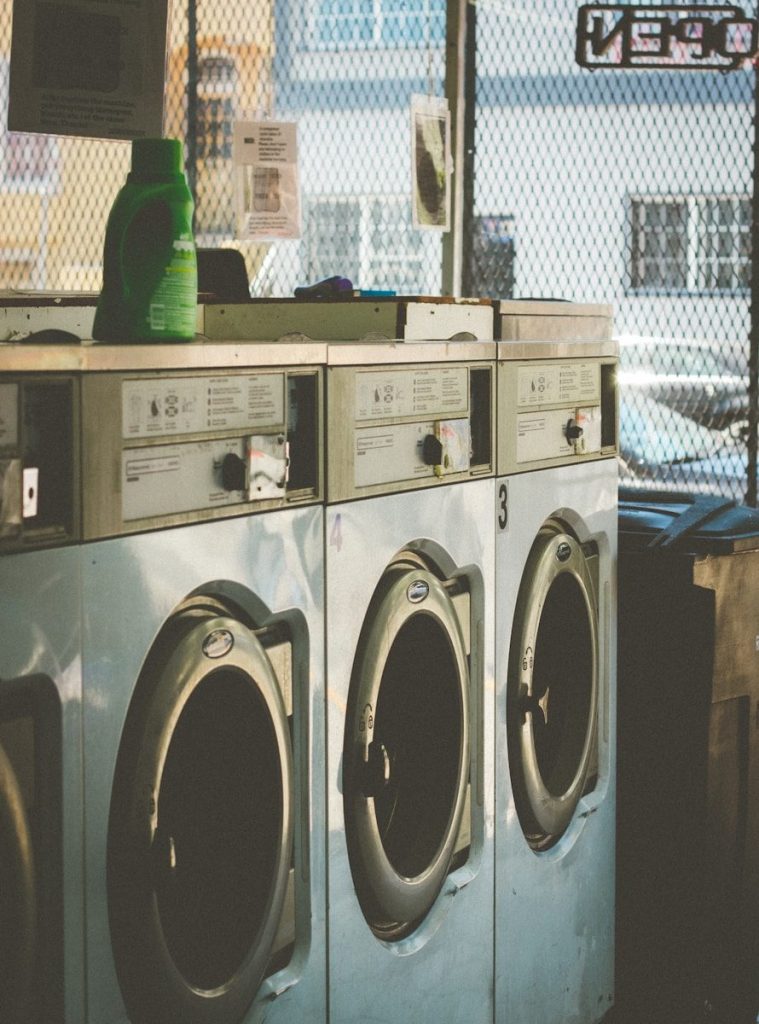
Yes — it matters quite a bit when diagnosing why a dryer won’t heat. Electric dryers are more commonly affected by blown thermal fuses, bad heating elements, and circuit breaker issues. Gas dryers are more likely to have igniter failures, gas valve solenoid problems, or issues with the flame sensor.
Both types share many of the same components cycling thermostats, high-limit thermostats, door switches, and control boards, so much of the troubleshooting process overlaps.
How Much Does Dryer Repair Cost?
Here’s a rough breakdown based on typical costs in the USA, UK, Canada, and Australia:
| Component | Part Cost | Labor (approx.) |
|---|---|---|
| Thermal Fuse | $5–$20 | $75–$120 |
| Heating Element | $20–$80 | $100–$150 |
| Gas Valve Solenoid | $15–$40 | $100–$150 |
| Cycling Thermostat | $10–$30 | $75–$120 |
| Control Board | $80–$250 | $100–$200 |
| Igniter (Gas) | $20–$50 | $75–$150 |
If repair costs exceed 50% of the cost of a new dryer, it’s often more economical to replace the appliance.
“Don’t spend money on a repair without first understanding the root cause — or you’ll be back in the same situation within months.” — Angie Hicks, Founder of Angi (formerly Angie’s List)
Frequently Asked Questions on Why Would a Dryer Not Heat
Why is my dryer running but not heating?
The most common causes are a blown thermal fuse, a failed heating element (electric dryers), a tripped circuit breaker, or a clogged dryer vent. Start by checking the breaker and cleaning the vent before replacing any parts.
Can a clogged lint trap cause a dryer not to heat?
Yes. A severely clogged lint filter restricts airflow, which can cause overheating and blow the thermal fuse — cutting off heat completely. Always clean the lint trap before every cycle.
How do I know if my thermal fuse is blown?
Use a multimeter set to continuity mode. Place the probes on each end of the thermal fuse. If you get no reading (no beep, no continuity), the fuse is blown and needs replacing.
Is it worth fixing a dryer that won’t heat?
Generally yes, especially if the dryer is less than 10 years old. Most heat-related repairs cost $50–$200 in parts, which is far less than a new dryer. If it’s older and requiring multiple repairs, replacement may make more financial sense.
How do I prevent my dryer from losing heat again?
Clean the lint filter before every load, have the dryer vent professionally cleaned once a year, avoid overloading the drum, and don’t run extremely long back-to-back cycles without breaks.
Why does my dryer heat sometimes but not always?
Intermittent heating is often caused by a failing cycling thermostat, a partially failed heating element, or a gas valve solenoid that’s beginning to fail. This usually gets worse over time and should be diagnosed before it stops completely.
My dryer is new — why is it not heating?
If your dryer is brand new, check the circuit breaker first. Electric dryers need a 240V outlet and dedicated 30-amp circuit. If the outlet or wiring isn’t correct, the heater won’t work. Contact the retailer or installer if the installation was recent.
Conclusion
A dryer that won’t heat is genuinely inconvenient I completely understand the frustration, especially when you’ve got a pile of wet laundry and no time to waste. But the good news is that in the vast majority of cases, this is a fixable problem. Whether it’s a blown thermal fuse, a clogged dryer vent, a bad heating element, or a tripped circuit breaker, every one of these issues has a clear solution.
Start simple check the circuit breaker, clean the vent, and test the thermal fuse. Work your way through the checklist methodically. You might be surprised how often the fix is straightforward and affordable. And if you’re ever in doubt, especially with gas dryers or electrical wiring issues, don’t hesitate to call a qualified technician. Your safety always comes first.
I hope this guide gives you the clarity and confidence to tackle this problem head-on. A warm, fully functional dryer is just a few steps away.
This article is intended for informational purposes. Always unplug your dryer before inspecting or replacing any internal components. For gas dryer issues involving the gas line, contact a licensed gas technician.

Oliver Bennett is a home appliance writer specializing in washer and dryer solutions, laundry care, and energy-efficient appliances. He provides detailed reviews, buying guides, and maintenance tips to help users choose reliable machines and achieve better laundry results.