Why is my dryer not drying my clothes? The most common reasons are a clogged lint filter, blocked dryer vent, overloaded drum, faulty heating element, or poor airflow. In many cases, cleaning the lint trap and vent system restores drying performance and reduces energy waste.
You toss a load of wet clothes into the dryer, start a cycle, and come back an hour later only to find everything still damp. Few household problems are more frustrating, especially when you’re trying to keep up with a busy family laundry routine.
If your dryer is running but not drying clothes properly, you’re not alone. This is one of the most common dryer problems homeowners face in the USA, UK, Canada, and Australia. The good news is that many causes are easy to diagnose and fix without immediately calling a repair technician.
Modern dryers have become more energy-efficient and smarter in 2026, but they still depend on proper airflow, heat production, and maintenance. A simple blockage can significantly reduce drying performance and increase energy bills.
In this guide, you’ll learn the most common reasons your dryer isn’t drying clothes, how to troubleshoot the issue step-by-step, expert maintenance tips, common mistakes to avoid, and ways to improve drying efficiency while extending the life of your appliance.
“Laundry is the one chore that never ends — but the right dryer makes all the difference between a frustrating routine and an effortless one.”— Martha Stewart, Lifestyle Expert & Author
Why Your Dryer Is Not Drying Clothes Properly
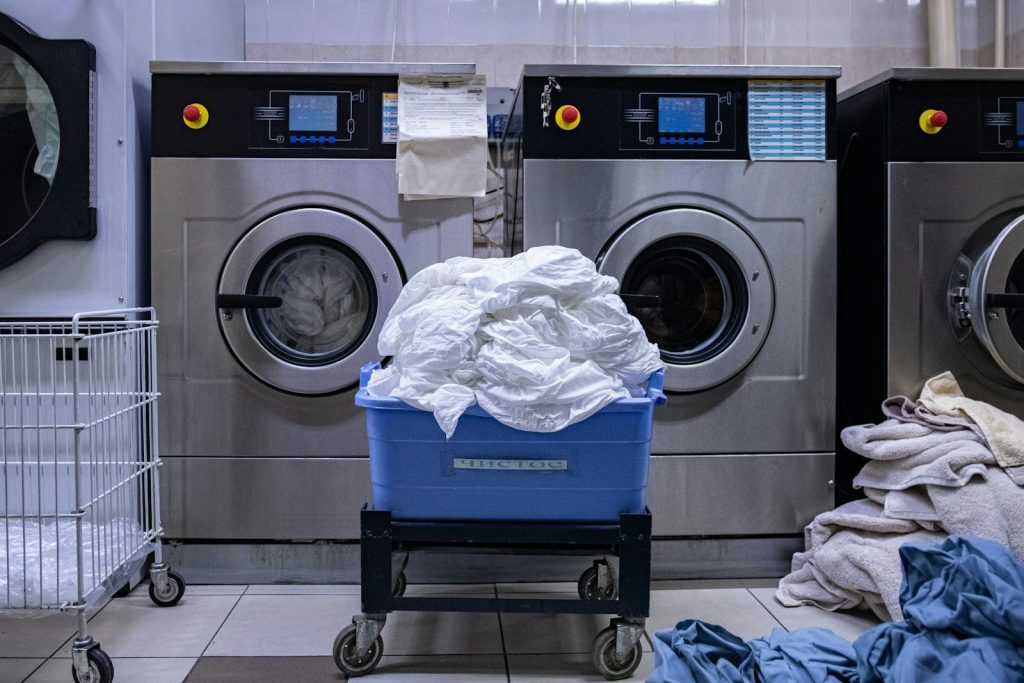
A dryer works by combining heat, airflow, and tumbling action to remove moisture from fabrics. When one of these systems fails, drying times increase dramatically.
The most common culprit is restricted airflow. According to the U.S. Fire Administration, failure to clean dryers is a leading factor contributing to residential dryer fires. Lint buildup restricts airflow, reduces efficiency, and creates a serious safety hazard.
When airflow becomes blocked, moisture remains trapped inside the drum instead of being exhausted outside. As a result:
- Clothes remain damp.
- Drying cycles take longer.
- Energy consumption increases.
- Internal components wear out faster.
- Fire risks rise significantly.
Another common issue is overloading the dryer. Stuffing too many clothes into the drum prevents hot air from circulating evenly around fabrics.
Modern high-efficiency dryers use moisture sensors to detect when clothes are dry. If these sensors become dirty or malfunction, the dryer may end the cycle too early or run inefficiently.
Homeowners also experience problems caused by:
- Clogged lint traps
- Crushed vent hoses
- Faulty heating elements
- Defective thermostats
- Blown thermal fuses
- Improper dryer settings
- Poor installation
As dryers age, mechanical components naturally wear down. Regular maintenance can prevent many of these issues before they become expensive repairs.
A high-efficiency dryer is not just a convenience — it is an investment in time, energy, and the longevity of your clothes.”— Consumer Reports, Home Appliance Division
Best Solutions for a Dryer That Won’t Dry Clothes
If your dryer runs but clothes stay wet, start with these troubleshooting steps.
- Clean the lint trap thoroughly
- Remove lint after every load.
- Wash the screen monthly to remove detergent residue.
- Improve airflow immediately.
- Inspect the dryer vent system
- Check for lint buildup.
- Remove obstructions.
- Ensure outside vent flaps open properly.
- Avoid overloading
- Leave room for clothes to tumble.
- Separate heavy and lightweight items.
- Check dryer heat settings
- Verify the correct cycle is selected.
- Ensure eco-mode isn’t extending drying times.
- Inspect the heating element
- Electric dryers rely on heating coils.
- Failed elements often produce little or no heat.
- Clean moisture sensors
- Wipe sensor bars with rubbing alcohol.
- Remove fabric softener residue.
- Upgrade to modern energy-efficient dryers
- New models use advanced airflow technology.
- Smart dryers can alert users to maintenance needs.
Additional benefits of routine dryer maintenance include:
- Lower utility bills
- Faster drying cycles
- Improved fabric care
- Reduced wear on clothing
- Better dryer vent safety
Many homeowners upgrading to heat pump dryers in 2026 report substantial energy savings compared with traditional vented models.
Step-by-Step Guide
- Unplug the dryer for safety.
- Remove and clean the lint filter.
- Inspect the lint filter housing.
- Disconnect and inspect the vent hose.
- Remove accumulated lint from ductwork.
- Check the exterior vent opening.
- Run a test cycle with a small load.
- If drying performance remains poor, inspect heating components or contact a qualified technician.
For best results:
- Clean the lint trap after every load.
- Inspect venting every 3-6 months.
- Schedule professional vent cleaning annually.
- Replace damaged vent hoses immediately.
These simple steps solve the majority of dryer performance issues.
Expert Tips & Common Mistakes
Pro Tips
- Clean the lint trap after every cycle.
- Use moisture-sensing cycles whenever available.
- Separate heavy fabrics from lightweight clothing.
- Inspect vent ducts regularly for restrictions.
- Choose energy-efficient dryers with smart diagnostics.
Common Mistakes to Avoid
- Ignoring longer drying times.
- Overloading the dryer drum.
- Using damaged vent hoses.
- Skipping annual vent inspections.
Additional dryer-specific advice:
- Keep at least several inches of clearance behind the appliance.
- Replace plastic vent hoses with rigid or semi-rigid metal ducts.
- Avoid excessive use of fabric softener sheets.
- Clean moisture sensors periodically.
Many homeowners mistakenly assume the heating element has failed when the actual problem is a clogged vent. Restricted airflow is responsible for a large percentage of drying complaints.
Regular lint trap cleaning remains one of the easiest and most effective ways to improve dryer performance.
Ignoring your dryer’s maintenance needs doesn’t just cost you money on energy bills — it is one of the leading causes of house fires in America.”— Alton Brown, Food Scientist & TV Host, Good Eats
FAQs on Why Is My Dryer Not Drying My Clothes
Why is my dryer running but not drying clothes?
The most common causes are restricted airflow, clogged vents, dirty lint filters, faulty heating elements, or overloaded laundry loads.
Can a clogged vent cause clothes to stay wet?
Yes. Blocked vents prevent moist air from escaping, significantly reducing drying efficiency and increasing drying times.
How often should I clean my dryer vent?
Most experts recommend inspecting it every few months and performing a thorough cleaning at least once annually.
Why does my dryer get warm but not fully dry clothes?
Partial heating often indicates airflow restrictions, thermostat issues, or moisture sensor problems.
Can overloading a dryer affect drying performance?
Absolutely. Overloaded drums restrict airflow and prevent clothes from tumbling properly.
Are heat pump dryers better at drying clothes?
Modern heat pump dryers are highly energy-efficient and provide excellent drying performance while using less electricity.
When should I call a repair technician?
If cleaning the lint trap and vent system doesn’t solve the problem, professional diagnosis may be needed for electrical or mechanical faults.
Conclusion
If you’ve been asking, “Why is my dryer not drying my clothes?” the answer is usually related to airflow, heat production, or maintenance. In many cases, cleaning the lint trap, clearing the dryer vent, and reducing load sizes can restore proper drying performance quickly.
Regular dryer maintenance not only improves efficiency but also helps protect your clothing, lowers utility costs, and reduces potential fire hazards. Modern 2026 dryers offer advanced features such as AI-powered drying cycles, smart diagnostics, and improved moisture sensing, but they still require routine care to perform at their best.
By following the troubleshooting steps in this guide, you can identify the most common causes of poor drying performance and avoid unnecessary repair expenses. Whether you own a traditional vented dryer or a new heat pump dryer, consistent maintenance remains the key to reliable operation.
Explore more dryer maintenance guides, appliance reviews, troubleshooting tips, and laundry solutions at Best Dry N Dryers!

Oliver Bennett is a home appliance writer specializing in washer and dryer solutions, laundry care, and energy-efficient appliances. He provides detailed reviews, buying guides, and maintenance tips to help users choose reliable machines and achieve better laundry results.