Imagine a tiny, six-legged creature clinging stubbornly to a single strand of hair, unfazed by shampoos and combs. For parents and anyone who has faced a lice infestation, the search for an effective, non-chemical treatment is relentless. In this quest, a common household appliance—the blow dryer—has emerged as a topic of both hope and heated debate. Can the simple act of blowing hot air truly vanquish these persistent parasites?
Understanding the science behind lice and heat is crucial for managing outbreaks safely and effectively. This article delves into the research, separating fact from wishful thinking, and provides a comprehensive guide to using heat as part of a strategic anti-lice protocol. You will learn the precise conditions needed to affect lice, the limitations of blow dryers, and how to integrate this tool with other proven methods for a successful, evidence-based approach to lice eradication.
The Science of Heat vs. The Louse
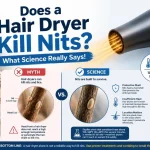
At its core, the question of whether blow dryers kill lice is a question of thermal death point. Lice, like all organisms, have a threshold of heat they cannot survive. Research, notably a study published in the journal Pediatrics, has demonstrated that lice and their eggs (nits) are susceptible to sustained high temperatures. The critical finding is that lice desiccate, or dry out, when exposed to air that is both hot enough and applied for a long enough duration. Their exoskeletons and internal moisture cannot withstand the relentless assault of properly applied heat.
However, the devil is in the details. The same study showed that simply using a blow dryer on a normal setting is not sufficient. Lice cling tightly to the hair shaft and the scalp itself provides a cooling refuge. The air from a standard dryer often cools significantly by the time it reaches the scalp underneath the hair. To be lethal, the heat must be consistently high enough to raise the temperature at the scalp-hair interface to a sustained 130-140 degrees Fahrenheit (approximately 55-60 degrees Celsius) for a period of time, typically at least 30 minutes of continuous exposure.
This leads to a critical distinction: killing live lice (adults and nymphs) versus destroying nits. Nits are glued to the hair shaft and are more protected. Their viability is often more heat-resistant. While extreme heat can kill nits, the parameters are even more stringent. Therefore, while heat can be a powerful weapon against mobile lice, it should not be solely relied upon to eliminate the eggs, which is why mechanical removal via combing remains an indispensable companion strategy.
The Blow Dryer Method: Procedure and Precautions
If you decide to use a blow dryer as part of your lice treatment plan, a specific, careful procedure must be followed to maximize potential effectiveness and, more importantly, ensure safety. First, always start with clean, towel-dried hair. Do not apply any oily or alcohol-based products beforehand, as these can be flammable. Use a blow dryer with a concentrator nozzle attachment; this focuses the airflow to a smaller area, increasing heat intensity and allowing for more precise sectioning.
Divide the hair into small, manageable sections, no more than one inch thick. Starting at the nape of the neck, direct the hot air flow slowly down the hair shaft from the scalp to the ends, holding the dryer about half an inch to an inch from the hair. Systematically work through each section, ensuring you spend at least 30 seconds to a minute per section. The goal is to slowly and thoroughly heat the entire scalp and every hair strand. The total process for medium-length hair will likely take 30 to 45 minutes.
Safety cannot be overstated. Constantly monitor the heat on the scalp by feeling it with your hand. It should feel very warm but never painfully hot. Avoid holding the dryer in one spot for too long to prevent burns or heat damage to the hair. This method is tedious and requires patience. It is also important to perform this in a well-ventilated area and to keep the dryer away from water sources. Never use a blow dryer on hair treated with traditional, flammable pediculicide shampoos.
Limitations and Risks of Relying on Blow Dryers Alone
Relying exclusively on a blow dryer to treat a lice infestation is a high-risk strategy with a high probability of failure. The primary limitation is consistency. Achieving and maintaining the lethal temperature threshold evenly across every square inch of the scalp is extraordinarily difficult with a handheld home appliance. Missed spots become safe havens for lice, allowing re-infestation to begin within days. Furthermore, as mentioned, nits are exceptionally resilient.
There are also significant risks involved. Excessive heat can cause first or second-degree burns to the sensitive scalp, especially on children. Prolonged, frequent use of high heat can also severely damage hair, leading to dryness, brittleness, split ends, and breakage. The process itself is stressful for both the parent and the child, requiring a level of cooperation that is often challenging during an already frustrating experience.
Perhaps the biggest risk is the false sense of security. Believing the problem is solved by a blow dryer session can delay the implementation of more comprehensive, proven treatments. This allows the lice life cycle to continue unchecked. Time is of the essence in lice treatment; a single surviving female louse can lay several eggs per day. Therefore, a blow dryer should be viewed strictly as a potential supplementary tool, not a primary treatment.
Proven Companion Strategies for Effective Treatment
To effectively combat lice, a multi-modal approach is essential. The gold standard remains the combination of a pediculicide (lice-killing product) and meticulous wet-combing. When using any treatment, whether over-the-counter or prescription, it is vital to follow the instructions to the letter regarding application time and any necessary repeat treatments to catch newly hatched lice.
Wet-combing is the most critical non-chemical step. After applying conditioner to wet hair to immobilize lice, use a high-quality, metal fine-toothed nit comb. Comb through small sections of hair from the scalp to the end, wiping the comb on a paper towel after each stroke. This physically removes both live lice and nits. This process must be repeated every 2-3 days for at least two weeks to break the life cycle.
Environmental measures, while often overemphasized, play a supporting role. Focus on items that have had recent head contact. Wash bedding, hats, and recently worn clothing in hot water (130°F) and dry on a high heat cycle for at least 20 minutes. Items that cannot be washed can be sealed in plastic bags for two weeks, which is longer than any louse can survive without a host. Extensive household cleaning or fumigation is unnecessary, as lice cannot survive long off the human head.
The Future of Heat-Based Lice Treatment
While the home blow dryer has significant limitations, the principle of using heat is sound and has inspired the development of professional medical devices. These devices, available in some clinics, are engineered to overcome the shortcomings of a standard dryer. They use carefully controlled, circulated hot air at specific temperatures and flow rates to dehydrate lice and nits systematically, often in a single treatment lasting about 30 minutes.
These professional devices represent the clinical application of the heat principle. They are designed with safety monitors to prevent scalp burns and are far more effective at achieving uniform lethal heat distribution than any home method. Their existence validates the core concept that lice are vulnerable to desiccation, while also highlighting the inadequacy of improvised home techniques using consumer-grade hair dryers.
Looking ahead, research continues into optimized thermal delivery. The future may bring more accessible, FDA-cleared devices for home use that are specifically engineered for lice treatment, not hair styling. For now, consumers should be wary of unsubstantiated claims about home appliances. The most prudent path is to combine established, proven methods—effective combing and appropriate treatments—with the understanding that while heat can help, the blow dryer in your bathroom drawer is not a magic wand.
Key Takeaways
- ✓ Blow dryers can kill lice through dehydration, but only under very specific, hard-to-maintain conditions of sustained high heat (130-140°F at the scalp).
- ✓ Using a blow dryer alone is an unreliable primary treatment due to the high risk of missing lice and nits and the potential for scalp burns and hair damage.
- ✓ The most effective treatment strategy combines meticulous wet-combing with a fine-toothed metal comb and the appropriate use of pediculicide products.
- ✓ Environmental control should focus on hot-washing and high-heat drying recently used bedding and clothing, not exhaustive household cleaning.
- ✓ Professional thermal devices exist and are effective, proving the heat principle, but they are engineered specifically for lice removal, unlike consumer blow dryers.
Frequently Asked Questions
Can I kill lice by using a blow dryer on my child's hair every day?
While daily use might kill some lice, it is not recommended as a sole strategy. It is inefficient, highly likely to miss eggs and hidden lice, and poses a significant risk of burns and severe hair damage from repeated high-heat exposure. It also creates a stressful routine that is less effective than proven combing and treatment methods.
Does the "hot air" setting on my dryer kill lice eggs (nits)?
It is very unlikely. Nits are extremely resilient and glued firmly to the hair shaft, providing insulation. The heat from a standard blow dryer typically does not reach or sustain the temperature needed (consistently above 130°F at the nit location) for long enough to destroy the embryo inside. Manual removal via combing is the most reliable way to eliminate nits.
Are some blow dryers better for this than others?
Dryers with higher wattage (1800-2000 watts) and a concentrator nozzle can deliver hotter, more focused air, which is theoretically more effective. However, even the most powerful consumer dryer is not designed for this purpose and cannot guarantee the uniform, sustained heat required for complete eradication. The difference between models is marginal in the context of effective lice treatment.
Is it safe to use a blow dryer after applying lice shampoo?
You must read the product instructions carefully. Many traditional lice shampoos contain flammable ingredients. Using a blow dryer on hair treated with such products can be a serious fire hazard. Always allow hair to air dry completely after using a pediculicide unless the product label explicitly states it is safe to use heat.
What is the single most important thing to do for lice besides using a treatment?
Consistent, thorough wet-combing with a quality metal nit comb is the most critical non-chemical step. This physically removes lice and nits and is necessary to break the 7-10 day life cycle of the louse. No chemical or heat treatment works 100% on eggs, making combing an indispensable part of any successful eradication plan.
Conclusion
The notion that a common blow dryer can kill lice is rooted in scientific truth—lice are indeed vulnerable to sustained, high heat. However, the practical application of this truth with a consumer appliance is fraught with challenges and risks. Achieving the lethal thermal conditions evenly across the entire scalp is difficult, the process is time-consuming, and the dangers of burns and hair damage are real. Therefore, while a blow dryer can be used as a cautious supplementary measure, it should never form the cornerstone of your lice treatment plan.
For true peace of mind and effective results, return to the fundamentals: pair a recommended treatment (consult a pharmacist or doctor for the best option) with the meticulous, repeated work of wet-combing. Stay informed about professional thermal options, but resist the temptation to seek a quick fix from a tool not designed for the job. By combining patience, proven methods, and a clear understanding of the lice life cycle, you can successfully manage an infestation and return to a lice-free life.

Oliver Bennett is a home appliance writer specializing in washer and dryer solutions, laundry care, and energy-efficient appliances. He provides detailed reviews, buying guides, and maintenance tips to help users choose reliable machines and achieve better laundry results.