You’ve just discovered a lice infestation, and panic sets in. In your frantic search for a solution that avoids harsh chemicals, you might have stumbled upon an old home remedy: blasting the bugs with a hair dryer. The idea is tantalizingly simple—use intense heat to desiccate and kill the pests without a trip to the pharmacy. But does this method actually work, or is it a dangerous myth that offers false hope?
Understanding the science behind lice elimination is crucial for effective treatment and preventing the spread of these stubborn parasites. This article will dissect the effectiveness of hair dryers against lice, separating fact from folklore. You will learn about the biology of head lice, the precise conditions needed to kill them, the real risks of relying on a hair dryer, and the modern, proven strategies that should form the cornerstone of your eradication plan.
The Biology of a Louse: Why They're So Resilient
To understand why a hair dryer might seem like a logical weapon, you must first understand your adversary. The human head louse (Pediculus humanus capitis) is a highly specialized parasite. It has evolved to thrive in the unique environment of the human scalp, which provides the perfect temperature, humidity, and food source (blood). An adult louse is about the size of a sesame seed and possesses six claws designed to cling tenaciously to hair shafts. Their resilience is legendary; they can survive submerged in water for several hours and hold their breath for up to 8 hours.
The real challenge lies not just with the live bugs, but with their eggs, known as nits. A female louse cements each nit firmly to the base of a hair shaft, very close to the scalp for warmth. This glue-like substance is incredibly strong, making nits notoriously difficult to remove. Furthermore, nits have a protective shell that shields the developing nymph inside from many physical and chemical threats. The viability of nits is the primary reason infestations recur, as killing only the live lice leaves a new generation ready to hatch in about 7-10 days.
This biology directly impacts heat-based treatments. Lice and nits are adapted to the consistent, moist heat of the human scalp (approximately 98.6°F or 37°C). To effectively kill them, you must subject them to temperatures significantly higher than what they experience naturally, and you must maintain that heat long enough to penetrate their exoskeleton or nit shell. Simply making the scalp uncomfortably hot for a human is often insufficient to reach the lethal threshold for these hardy parasites.
The Hair Dryer Test: What the Science Says
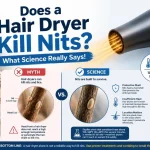
So, can your standard household hair dryer deliver the lethal blow? Research and expert consensus provide a clear, but nuanced, answer. Studies have shown that sustained, high heat can kill lice and nits. The lethal temperature range is typically above 128°F (53°C) maintained for over 5 minutes. Some professional devices, like medical-grade heated air machines (e.g., the LouseBuster), use carefully controlled, sustained dry air at about 140°F (60°C) to effectively desiccate and kill both lice and eggs. This is a clinical, regulated process.
The critical difference between a professional device and your home hair dryer is control and consistency. While the air exiting a high-heat hair dryer can briefly reach temperatures well over 130°F, it is nearly impossible to apply this heat evenly and safely to every square inch of the scalp for the sustained period required. The airflow is often too focused, causing burns on the scalp and ears long before the heat has penetrated the dense hair at the roots where lice and nits reside. Furthermore, most people cannot tolerate this level of heat on their skin for the necessary duration.
In practice, using a hair dryer often scatters lice rather than kills them. The powerful airflow can blow live lice off the hair and onto furniture, bedding, or other people, potentially spreading the infestation. It may also dry out the scalp and hair, causing irritation. While a hair dryer on its own is not a reliable or safe treatment method, it can play a limited supporting role, which we will explore in a later section.
The Real Risks and Dangers of DIY Heat Treatments
Relying on a hair dryer as a primary treatment is not just ineffective; it carries tangible risks. The most immediate danger is thermal burns to the scalp, neck, ears, and face. Children’s skin is particularly sensitive. Attempting to hold the dryer close enough and long enough to theoretically kill lice can easily result in first or second-degree burns, causing significant pain and potential scarring. This risk far outweighs any unproven benefit.
Another major risk is the false sense of security it provides. If you believe you have "treated" the infestation with a hair dryer, you are likely to forgo proven methods. This allows the infestation to continue unchecked, as surviving lice and nits will repopulate the head. During this delay, lice can spread to other family members or classmates. This prolongs the infestation, increases social stigma and anxiety, and often leads to a more severe outbreak that is harder to control.
Finally, there is the risk of causing indirect harm. Excessive heat can severely damage hair, leading to dryness, brittleness, and breakage. It can also irritate the scalp, exacerbating the itching already caused by lice saliva and leading to scratching, which can cause open sores and secondary bacterial infections. Using a hair dryer with certain over-the-counter pediculicide treatments is explicitly warned against, as some chemical ingredients can be flammable or become irritating when heated.
Proven and Effective Lice Treatment Strategies for 2026
Effective lice treatment in 2026 is a multi-pronged process focused on proven methods. The cornerstone remains meticulous combing with a high-quality, metal nit comb. This physically removes both live lice and, most importantly, their eggs. Hair should be damp and conditioned to ease combing. Section the hair and comb from the scalp to the end, wiping the comb on a paper towel after each stroke. This should be repeated every 2-3 days for at least two weeks to catch any newly hatched nymphs.
For chemical assistance, you have two main categories: over-the-counter (OTC) pediculicides and prescription treatments. Common OTC active ingredients include permethrin and pyrethrins, though resistance has grown. Prescription options like ivermectin lotion or spinosad are often more effective against resistant strains. A newer, non-chemical category is silicone-based lotions (dimethicone or cyclomethicone). These work by coating the lice and suffocating them, and resistance is not an issue. Always follow product instructions to the letter.
The third critical pillar is environmental management. While lice cannot live long away from a human host, take steps to prevent re-infestation. Wash bedding, hats, and recently worn clothes in hot water and dry on high heat. Items that can’t be washed can be sealed in a plastic bag for two weeks. Soak combs and brushes in hot water (above 130°F) for 10 minutes. However, avoid excessive cleaning; lice are spread primarily by head-to-head contact, not by environmental surfaces. Focus your energy on the head and the nit comb.
The Correct (Limited) Role of Heat and Hair Dryers
Given the warnings, does a hair dryer have any place in your anti-lice arsenal? The answer is yes, but strictly in a secondary, supportive capacity. Its primary legitimate use is for drying hair after a safe, wet-combing session. After you have saturated the hair with conditioner and meticulously combed out lice and nits, using a hair dryer on a normal, comfortable setting can help prepare the hair for any follow-up treatment and ensure the scalp is dry.
Heat can also be a valuable tool for sanitizing non-washable items. As mentioned, you can use a hair dryer on its hottest setting to treat items like hairbrushes, plastic hair clips, or helmet liners. Direct the hot air over the items for 15-20 minutes, ensuring the heat penetrates. This is more practical than bagging small, frequently used items. Remember, the target here is stray lice on objects, not an active infestation on a head.
Finally, the principle of heat is valid, but the tool must be appropriate. If you are interested in a heat-based treatment, investigate FDA-cleared medical devices like the AirAllé (formerly LouseBuster). These are available through professional lice removal clinics. They use controlled, circulated dry air to safely dehydrate lice and eggs in a single treatment. This represents the safe, scientific application of the heat principle that a home hair dryer cannot replicate.
Key Takeaways
- ✓ A standard hair dryer is not a reliable or safe standalone treatment for head lice, as it cannot safely deliver sustained, lethal heat to the entire scalp without risk of burns.
- ✓ Lice and nits are biologically resilient; effective treatment must target both live bugs and their firmly attached eggs (nits), which a hair dryer cannot reliably eliminate.
- ✓ The risks of using a hair dryer include thermal burns, hair damage, spreading lice via airflow, and creating a dangerous false sense of security that delays proper treatment.
- ✓ Proven treatment relies on meticulous wet-combing with a metal nit comb, possibly combined with effective pediculicides (OTC, prescription, or silicone-based), and sensible environmental cleanup.
- ✓ Heat can play a supporting role in sanitizing objects and is used effectively in professional, FDA-cleared medical devices, but a consumer hair dryer should only be used for drying hair after combing.
Frequently Asked Questions
Can I kill lice by using a hair dryer on the hottest setting?
While the air may be hot enough, it is unsafe and ineffective. You risk serious burns to the scalp and ears before the heat penetrates deeply enough to kill all lice and nits. The uneven application and inability to sustain the heat for the required 5+ minutes on every part of the scalp make it an unreliable treatment method.
Does blow-drying hair after using lice shampoo help?
No, and it can be dangerous. You should never use a hair dryer after applying most chemical lice treatments. The heat can increase scalp irritation and the risk of adverse reactions. Furthermore, many treatment shampoos are flammable when wet. Always let hair air dry naturally after using a pediculicide, as per the product instructions.
What is the most effective way to kill lice eggs (nits)?
The most effective method is physical removal using a high-quality metal nit comb on hair saturated with conditioner. The conditioner stuns the lice and allows the comb to slide more easily. Each nit must be dragged off the hair shaft. No chemical treatment is 100% ovicidal (egg-killing), which is why repeated combing over 10-14 days is essential to catch newly hatched nymphs.
Are there any safe heat treatments for lice?
Yes, but they are professional-grade. Devices like the AirAllé use carefully controlled, circulated dry air to dehydrate lice and eggs in a single clinic visit. These are FDA-cleared and administered by trained technicians. For home use, the only safe "heat treatment" is washing and drying bedding/clothes on high heat or sealing non-washable items in plastic bags for two weeks.
How long can lice live off the head, and does heat kill them in my home?
Lice survive only 1-2 days away from a human scalp because they need blood to feed. Nits off the scalp typically die within a week and are unlikely to hatch away from the scalp's warmth. Washing items in hot water (130°F+) and drying on high heat for at least 20 minutes will kill any stray lice or nits. Extensive household cleaning is not necessary; focus on the head and personal items used in the last 48 hours.
Conclusion
The quest to kill lice with a hair dryer is a pursuit rooted in understandable desperation but flawed in scientific and practical execution. While heat can be lethal to lice, the uncontrolled, unsafe, and inconsistent delivery of a consumer hair dryer makes it an inadequate and risky primary treatment. The biology of the louse, particularly the tenacious nit, demands a more meticulous and sustained approach centered on physical removal via combing, supported by modern treatment products and sensible environmental measures.
Arm yourself with knowledge and the right tools: a quality metal nit comb, patience, and a commitment to the process. If you seek a heat-based solution, invest in a professional treatment with an FDA-cleared device rather than risking harm with a home remedy. By focusing on proven, safe strategies, you can effectively overcome an infestation, minimize discomfort, and prevent its spread, moving past panic and into resolution.

Oliver Bennett is a home appliance writer specializing in washer and dryer solutions, laundry care, and energy-efficient appliances. He provides detailed reviews, buying guides, and maintenance tips to help users choose reliable machines and achieve better laundry results.