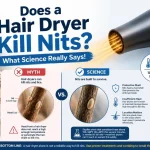
You’ve just discovered the dreaded signs: the itching, the tiny eggs glued to hair shafts, the frantic scratching. The word "lice" sends a shiver down any parent's spine, sparking an immediate search for a fast, non-chemical solution. In this panic, an old home remedy often surfaces: the common hair dryer. Could this everyday appliance really be the secret weapon to end an infestation without harsh pesticides?
This topic matters because head lice are a persistent, common problem affecting millions, primarily children, every year. Misinformation can lead to wasted effort, prolonged infestations, and unnecessary stress. This article will separate fact from fiction, examining the scientific evidence behind using heat against lice. You will learn the limitations of a hair dryer, discover genuinely effective alternative treatments, and gain a comprehensive, step-by-step action plan for dealing with an outbreak safely and efficiently in 2026.
The Science of Heat vs. Lice: What Actually Works?
Lice are parasites that have evolved to thrive in the specific environment of the human scalp, which provides warmth, protection, and a food source. To understand if a hair dryer can kill them, we must look at their thermal death point. Research indicates that lice and their eggs (nits) begin to die when exposed to temperatures sustained at approximately 128.3 degrees Fahrenheit (53.5 degrees Celsius) for more than five minutes. The critical factor is sustained, direct heat that penetrates to the scalp and the base of the hair shaft where lice live and lay eggs.
A standard hair dryer on its highest heat setting can indeed produce air hotter than this threshold. However, the problem lies in application and safety. The airflow is not consistent or evenly distributed, and directing intensely hot air at a single point on the scalp long enough to reach lethal temperatures is painful and risks causing burns. Furthermore, the moving air can blow live lice and nits off the hair and into the environment, potentially spreading the infestation. While heat can be lethal, the practical delivery method of a handheld dryer is flawed and unsafe for effective eradication.
Therefore, while the concept of using heat is scientifically sound, the execution with a typical hair dryer is impractical and hazardous. This has led to the development of professional medical devices specifically designed for this purpose, which we will explore later. For now, it's crucial to understand that your bathroom hair dryer is not a reliable or recommended tool for lice elimination.
The Risks and Drawbacks of Using a Hair Dryer
Attempting to use a hair dryer as a primary treatment carries several significant risks. The most immediate danger is thermal burns to the scalp, ears, and neck. Children's skin is particularly sensitive, and the concentration of hot air needed to potentially kill lice far exceeds what is comfortable or safe. This can result in first or even second-degree burns, turning a manageable problem into a medical issue requiring separate treatment. Additionally, the hot air can severely dry out and damage the hair, leading to brittleness and breakage.
Beyond physical harm, relying on a hair dryer creates a false sense of security. Because it may kill some adult lice on the surface, parents might believe the problem is solved and stop other necessary measures. Meanwhile, nits buried close to the scalp and lice hiding in thicker hair are likely to survive. This incomplete treatment allows the life cycle to continue, leading to a resurgence of the infestation days later. This cycle can repeat, causing frustration and prolonging the outbreak unnecessarily.
Finally, the process can be counterproductive. The forceful air can dislodge live lice, launching them onto furniture, bedding, or other family members. This environmental contamination increases the chance of re-infestation or spreading lice to others. It also makes the crucial step of manual nit combing more difficult, as blown-dry hair can become tangled and static-filled. The time and effort spent on this ineffective method are better directed toward proven, multi-step protocols.
Proven Effective Treatments: From Combs to Clinical Devices
The cornerstone of any successful lice treatment is thorough, manual removal with a high-quality nit comb. This non-chemical method, when done meticulously, is highly effective. Use a fine-toothed metal comb, often sold as a "nit comb," on wet, conditioned hair. The conditioner stuns the lice and makes combing easier. Section the hair and comb from the scalp to the ends, wiping the comb on a paper towel after each stroke. This must be repeated every 2-3 days for at least two weeks to catch newly hatched nymphs before they mature.
For those seeking technological aid, professional medical devices have entered the market. The most notable is the AirAllé device, an FDA-cleared medical appliance available through licensed clinics. It uses carefully controlled, heated air to dehydrate lice and nits. Unlike a hair dryer, it applies heat at a specific temperature and flow rate through a applicator tip that resembles a large comb, allowing for safe, direct treatment of the scalp and hair. Clinical studies show a high success rate with a single treatment, though follow-up combing is still recommended.
Alongside these, there are various over-the-counter and prescription pediculicide treatments. These include pyrethrin-based shampoos, permethrin lotions, and newer silicone-based solutions like dimethicone, which work by suffocating the lice. It is vital to follow the instructions exactly, as misapplication is a common cause of treatment failure. Resistance to some chemical treatments has been reported, so combining any product with diligent wet-combing is the best practice. Always consult a pharmacist or pediatrician for guidance on the safest choice for your child.
The Essential 4-Step Action Plan for 2026
When you confirm a lice case, a systematic approach is key. Step one is treatment of the person. Choose your primary method—manual combing, an over-the-counter product, or a professional treatment—and execute it thoroughly. Remember, no single treatment is 100% effective on its first try, so a follow-up treatment in 7-10 days is standard to kill any lice that hatched after the first round. Continue wet-combing every few days to monitor and remove any remaining nits.
Step two is environmental management. While lice cannot survive long off a human host, take prudent steps. Wash all bed linens, recently worn clothes, and hats in hot water and dry on high heat. Items that cannot be washed can be sealed in a plastic bag for two weeks, which is longer than the lifespan of a louse off the head. Vacuum upholstered furniture, car seats, and carpets. Focus on items that have had recent head contact; extensive household cleaning is not necessary.
Step three is checking all household members. Lice spread quickly through close contact. Examine every person in the home, especially children, using a fine-toothed comb under good light. Treat only those who are found to have live lice or viable nits. There is no need to treat others prophylactically, but they should be checked daily for a week. Step four is notification. Inform your child’s school, daycare, or any close playgroups. This is not a mark of poor hygiene; it is a responsible step to help prevent further spread and allows other parents to check their children.
Prevention and Moving Beyond the Stigma
Preventing lice is challenging but focuses on minimizing head-to-head contact. Educate children about avoiding activities that involve touching heads together, such as sharing headphones, hats, hairbrushes, helmets, or scarves. During outbreaks at school, keeping long hair tied up in braids or bines can be a simple deterrent. There is limited evidence that preventative shampoos or sprays containing essential oils like tea tree or rosemary are effective, but they are not harmful if no allergies exist and may offer a mild repellent effect.
It is crucial to dismantle the stigma associated with head lice. They are not a sign of dirtiness or poor parenting. Lice actually prefer clean, healthy hair because it is easier to grip. They are equal-opportunity pests that spread through common childhood social interactions. The shame and secrecy often cause more distress than the bugs themselves and can delay effective community action. Approach the situation calmly and factually, treating it like any other common childhood ailment.
Ultimately, the goal is effective management with minimal disruption. Having a plan, using proven tools, and maintaining a pragmatic perspective are your best defenses. Keep a quality nit comb on hand for regular checks, especially during known outbreaks. By staying informed with current, evidence-based advice, you can navigate a lice incident efficiently, reduce anxiety, and return your focus to the more important aspects of family life.
Key Takeaways
- ✓ A standard hair dryer is ineffective and unsafe for killing lice, posing a high risk of burns and spreading the infestation.
- ✓ The proven cornerstone of lice treatment is meticulous, repeated manual removal with a fine-toothed nit comb on wet, conditioned hair.
- ✓ FDA-cleared heated air devices exist but are professional tools, fundamentally different and safer than a home hair dryer.
- ✓ A successful action plan must include treating the infected person, managing the home environment, checking all contacts, and notifying relevant groups.
- ✓ Head lice are a common nuisance, not a hygiene failure; a calm, systematic, and evidence-based approach is key to resolution.
Frequently Asked Questions
Can I use a hair dryer on a cool setting to suffocate lice?
No, this is a myth. Lice do not breathe in a way that air can suffocate them. The cool setting on a hair dryer will have no effect on lice or nits. It may dry out the hair, but it will not impact the infestation. The only potential lethal mechanism from a dryer is heat, which, as discussed, is unsafe to apply effectively.
How long can lice live on furniture or bedding?
Head lice are parasites that require human blood to survive. Once off the scalp, they typically become dehydrated and die within 24 to 48 hours. Nits (eggs) off the host cannot hatch and generally die within a week. This is why extensive cleaning is less critical than focused efforts on items with recent direct head contact.
Are over-the-counter lice shampoos still effective?
They can be, but resistance has been documented to some active ingredients, like permethrin and pyrethrins, in many regions. Their effectiveness increases when used exactly as directed and combined with thorough wet-combing to remove nits. For persistent cases, consult a doctor about prescription options or consider non-pesticide treatments like dimethicone-based products.
Do home remedies like mayonnaise, olive oil, or vinegar work?
Smothering agents like mayonnaise or olive oil may kill some adult lice by blocking their breathing spiracles, but they are not reliably effective at killing all lice or nits. Vinegar is often touted for loosening the glue that holds nits to the hair, but studies show it is ineffective. These methods are messy, time-consuming, and often lead to treatment failure if used alone.
Should I treat everyone in the house if one person has lice?
No, you should only treat individuals who have a confirmed active infestation (live lice or viable nits very close to the scalp). However, you must check every member of the household thoroughly and repeatedly for at least 10-14 days. Treating people who do not have lice exposes them to unnecessary chemicals and does not prevent them from getting it later.
Conclusion
Navigating a head lice infestation requires moving beyond folk remedies and embracing strategies grounded in evidence and safety. As we have explored, the hair dryer is a tool best reserved for styling, not delousing. Its risks far outweigh its unproven benefits. True resolution lies in the diligent combination of manual combing, careful use of appropriate treatments, and a systematic approach to household management and communication. By understanding the life cycle of the louse and the mechanics of effective treatment, you can tackle the problem efficiently and with far less stress.
Arm yourself with a good metal nit comb, reliable information, and a dose of patience. Remember that lice are a temporary, solvable challenge. Stay informed with current guidelines, consult healthcare professionals when needed, and approach the situation with a calm, methodical plan. Your clear-headed action is the most powerful tool you have to restore peace and comfort to your home.

Oliver Bennett is a home appliance writer specializing in washer and dryer solutions, laundry care, and energy-efficient appliances. He provides detailed reviews, buying guides, and maintenance tips to help users choose reliable machines and achieve better laundry results.