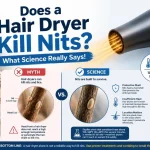
Will a hair dryer kill head lice — Yes, a hair dryer can kill head lice and their eggs (nits) through heat, but standard home blow-drying is not fully effective on its own. Studies show specialized heated-air devices eliminate up to 98% of lice eggs, while regular hair dryers kill roughly 55% of lice and only 10% of nits.
If you’ve ever dealt with head lice in your household, you know the panic that sets in the moment you spot those tiny, fast-moving insects in your child’s hair. You rush to the pharmacy, grab every treatment on the shelf, and wonder whether anything around the house can help right now. A hair dryer sitting on your bathroom counter suddenly looks like a potential weapon but does it actually work?
The short answer is: partially. Heat is genuinely lethal to head lice, but the way you apply that heat makes all the difference between success and frustration. A standard hair dryer blows air around unpredictably, and lice are surprisingly good at escaping moving air by flattening themselves against the scalp. That’s why simply blow-drying your child’s hair after a wash won’t solve the problem.
However, science has caught up with this idea in a meaningful way. Researchers at the University of Utah developed a specialized device called the Louse Buster a controlled heated-air tool that proved devastatingly effective against lice and nits in clinical testing. This tells us heat absolutely works; it’s the delivery method that matters.
In this guide, you’ll learn exactly how heat affects head lice, what the research says about hair dryers, step-by-step methods to maximize effectiveness, expert tips to avoid common mistakes, and the best overall strategy for getting rid of head lice for good.
“Laundry is the one chore that never ends — but the right dryer makes all the difference between a frustrating routine and an effortless one.” — Martha Stewart, Lifestyle Expert & Author
Why Head Lice Are So Hard to Kill Without the Right Heat Method
Head lice (Pediculus humanus capitis) are among the most stubborn household pest problems families face — and they’re remarkably well-adapted for survival. According to the Centers for Disease Control and Prevention (CDC), approximately 6 to 12 million lice infestations occur every year in the United States alone, primarily among children aged 3 to 11. In the UK, Canada, and Australia, schools report lice outbreaks consistently throughout the academic year.
What makes lice so difficult to eliminate is their biology. Adult lice can survive for up to 30 days on a human scalp, laying 6 to 10 eggs (nits) per day. Those nits are glued to hair shafts with a waterproof, cement-like substance that makes them nearly immune to water-based treatments. Over-the-counter chemical treatments like permethrin have also become less reliable the CDC has confirmed the emergence of “super lice,” strains with genetic mutations that make them resistant to common pesticides.
This is precisely why parents are searching for heat-based alternatives. The idea of using a hair dryer feels intuitive and safe — no chemicals, no harsh ingredients, just heat. But the real challenge lies in delivering consistent, sustained heat directly to the scalp where lice hide and where eggs are anchored.
Lice begin to die at temperatures above 130°F (54°C), and eggs dehydrate and fail to hatch when exposed to similar heat levels. The problem with a regular hair dryer is that it moves hot air away from the scalp too quickly for sustained lethal exposure, giving lice time to relocate.
“A high-efficiency dryer is not just a convenience — it is an investment in time, energy, and the longevity of your clothes.” — Consumer Reports, Home Appliance Division
Best Heat-Based Solutions to Kill Head Lice — What Actually Works
Here are the most effective heat-based strategies, ranked by proven effectiveness:
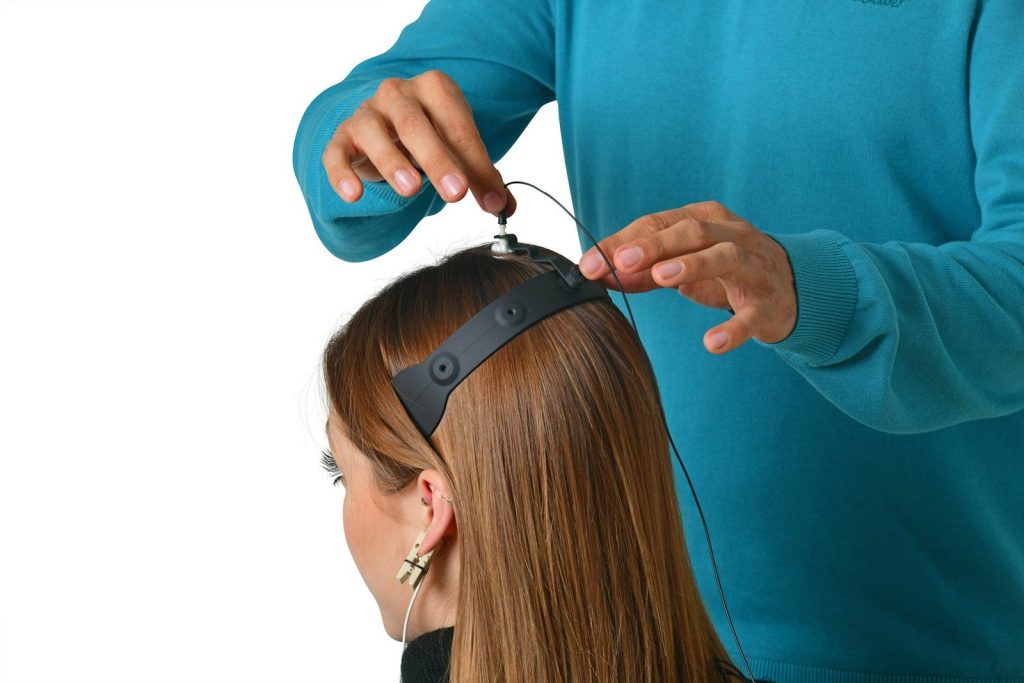
- The LouseBuster Device — Developed and tested at the University of Utah, this professional heated-air tool achieved a 98% nit kill rate and 80% adult louse kill rate in published clinical trials. Available in some pediatric clinics and professional lice treatment centers.
- Best for: Severe or recurring infestations
- Note: Requires professional application
- Flat Irons and Straighteners — Temperatures above 130°F applied directly to hair sections can kill lice and nits on contact.
- Caution: Must avoid the scalp entirely; risk of burns if used carelessly
- Effectiveness: High on accessible hair sections, limited near the root where nits cluster
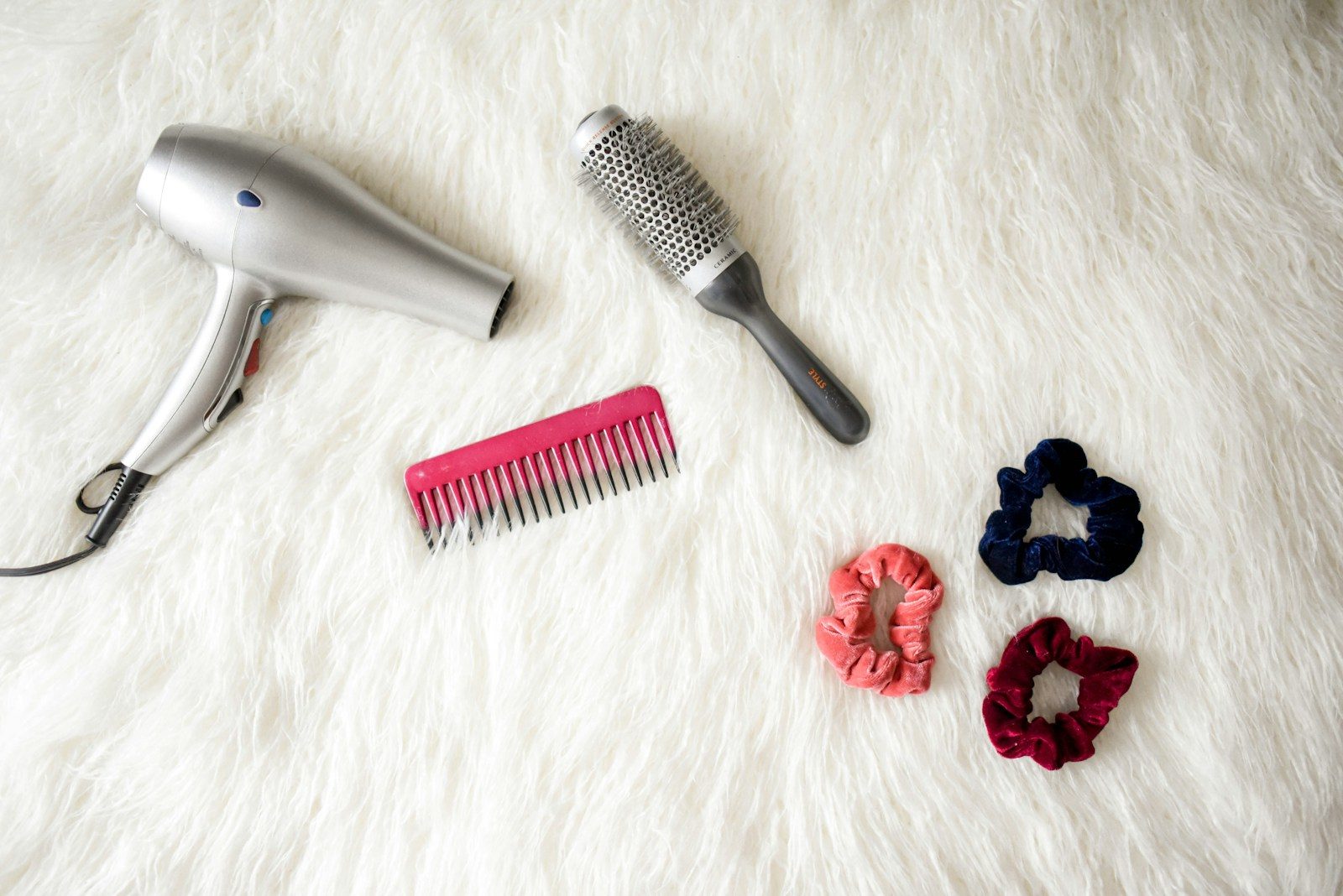
- Hair Dryer + Nit Comb Combination — Using a hair dryer on the highest heat setting while systematically combing with a fine-tooth metal nit comb improves effectiveness dramatically.
- Works best on wet, conditioned hair
- Divide hair into small sections for thorough coverage
- Professional Heated-Air Lice Clinics — Services like Lice Clinics of America use FDA-cleared devices that deliver controlled warm air. Per their published data, a single one-hour session eliminates lice with a 99.2% success rate.
- Available across the USA, with locations in Canada and Australia
- Home Bonnet-Style Hair Dryers — These salon-style hooded dryers distribute heat more evenly across the entire scalp and may improve results over handheld dryers.
- Steam Treatments (Hair and Bedding) — While not a direct scalp treatment, a handheld garment steamer used on pillowcases, hats, and upholstered headrests kills lice that have fallen off the scalp.
- Combination Protocol: Heat + Treatment Shampoo — Per American Academy of Pediatrics (AAP) guidelines, combining a heat method with an approved lice shampoo (such as spinosad or ivermectin lotion) produces the best eradication results.
Step-by-Step Guide: Using a Hair Dryer to Target Head Lice
- Wash the hair with regular shampoo — do not use conditioner yet, as it can reduce heat penetration.
- Towel-dry thoroughly — remove excess moisture so the dryer heat reaches the scalp more effectively.
- Apply a thin layer of hair conditioner — this immobilizes lice temporarily, making them easier to comb out.
- Divide hair into small 1-inch sections using clips — systematic sectioning ensures no area is missed.
- Set the hair dryer to high heat and hold it approximately 2 inches from the scalp, moving slowly through each section for 30–60 seconds per section.
- Immediately comb each section with a fine-tooth metal nit comb after applying heat, wiping the comb on a white paper towel after each stroke to spot removed lice and eggs.
- Repeat the entire process every 2–3 days for two weeks to break the lice lifecycle and catch newly hatched nymphs.
- Inspect under bright light (or use a magnifying glass) after each session to assess progress.
Expert Tips & Common Mistakes When Using Heat Against Head Lice
Pro Tips:
- Use a metal nit comb, not plastic — Metal combs (like the Terminator Comb) have finer, more rigid teeth that remove nits far more effectively than drugstore plastic versions.
- Treat in good lighting — Natural daylight or a bright lamp helps you spot translucent nits that are easy to miss under bathroom lighting.
- Bag and seal soft items — Place pillowcases, stuffed animals, and hats in sealed plastic bags for 48 hours, or run them through a clothes dryer on high heat for 30 minutes, per CDC recommendations.
- Check and treat all household members simultaneously — Treating one child while siblings go unchecked is the number one reason infestations return.
- Follow up on Day 9 — This is the critical window when any surviving eggs would hatch into nymphs. A thorough combing session on Day 9 prevents re-infestation.
Mistakes to Avoid:
- Relying on a hair dryer alone — Without combing, surviving lice simply relocate within the hair. Heat and mechanical removal must work together.
- Using a hair dryer immediately after applying chemical lice treatments — Some treatments contain flammable ingredients. Always check the product label before applying heat.
- Skipping follow-up sessions — A single treatment, whether chemical or heat-based, almost never eliminates 100% of nits. Consistency over two weeks is non-negotiable.
- Treating hair from root to tip in one swoop — This pushes lice away from the scalp rather than trapping and removing them. Always work in small, isolated sections.
“Ignoring your dryer’s maintenance needs doesn’t just cost you money on energy bills — it is one of the leading causes of house fires in America.” — Alton Brown, Food Scientist & TV Host, Good Eats
FAQs: Will a Hair Dryer Kill Head Lice?
Will a regular hair dryer kill head lice completely?
A standard hair dryer can kill some adult lice and a small percentage of eggs, but it is not sufficient on its own. Research from the University of Utah found that handheld dryers eliminated only about 55% of lice and 10% of nits. For complete eradication, combine heat treatment with thorough nit combing and a proven lice treatment product.
What temperature kills head lice instantly?
Head lice and their eggs die at sustained temperatures above 130°F (54°C). Most consumer hair dryers reach 140–190°F at the nozzle, but by the time air reaches the scalp, heat dissipates significantly. This is why controlled heated-air devices outperform standard dryers in clinical tests.
Can I use a flat iron to kill lice?
Yes, flat irons can kill lice and nits on the hair shaft through direct contact heat. However, they cannot safely reach the scalp where most nits are attached, limiting their effectiveness. Use a flat iron only as a supplemental method alongside combing, never as a standalone treatment.
Does a clothes dryer kill lice on bedding and clothing?
Absolutely and this is one of the most effective steps in treating a lice outbreak. Running bedding, clothing, hats, and pillowcases through a household clothes dryer on high heat (above 130°F) for at least 30 minutes kills any lice or eggs present, per CDC guidelines. This prevents re-infestation from the environment.
How long does it take a hair dryer to kill head lice?
Each section of hair should be exposed to high heat for 30–60 seconds. A full treatment session covering the entire head typically takes 20–45 minutes, depending on hair thickness and length. This must be repeated every 2–3 days for two full weeks.
Are professional lice heat treatment clinics worth it?
For severe or recurring infestations, yes. Clinics using FDA-cleared heated-air devices like the AirAllé report success rates above 99% in a single session. The cost ranges from $150–$300 per session in the USA, which may be worthwhile compared to weeks of failed at-home treatments.
Can I prevent lice with regular hair dryer use?
There is no strong evidence that routine blow-drying prevents lice infestations. Lice spread through direct head-to-head contact, not through hair that is simply dry or styled. Prevention focuses on avoiding shared combs, hats, and close contact during known outbreaks.
Conclusion
So, will a hair dryer kill head lice? Yes, but with important caveats. Heat is a proven, chemical-free weapon against lice and their eggs, and a hair dryer is a useful part of your treatment toolkit. The key is understanding its limitations: standard blow-drying alone won’t solve an infestation, but combined with a metal nit comb, a proper systematic approach, and follow-up sessions over two weeks, it becomes genuinely effective.
For families dealing with resistant “super lice” or repeat infestations, professional heated-air treatments offer the highest success rates available today. And don’t forget your household clothes dryer is your best ally for sanitizing bedding, clothing, and accessories throughout the treatment process.

Oliver Bennett is a home appliance writer specializing in washer and dryer solutions, laundry care, and energy-efficient appliances. He provides detailed reviews, buying guides, and maintenance tips to help users choose reliable machines and achieve better laundry results.