Quick Answer: Yes, a dryer can kill or significantly reduce many germs, bacteria, viruses, dust mites, and some fungi but only when the clothes are dried at a sufficiently high temperature for long enough. However, a dryer alone is not a complete substitute for washing with detergent. For the best laundry hygiene, combine proper washing with thorough high-heat drying whenever the fabric care label allows.
Clothes come into contact with sweat, body oils, bacteria, viruses, allergens, pet dander, and everyday dirt. Whether you’re washing gym clothes, baby clothes, towels, bedding, or work uniforms, it’s natural to wonder if your dryer is actually sanitizing your laundry or simply making it dry.
The answer isn’t as simple as “yes” or “no.” Heat plays a major role in reducing microorganisms, but the effectiveness depends on several factors, including the dryer’s temperature, drying time, fabric type, moisture level, and the kind of germ present.
In this guide, you’ll learn exactly what a dryer can and cannot kill, what temperatures are most effective, when you should use a sanitize cycle, and how to maximize laundry hygiene without damaging your clothes.
Does a Dryer Kill Germs?
The short answer is yes, but with conditions.
Many bacteria, viruses, and other microorganisms become weaker or die when exposed to high temperatures for an adequate amount of time. Modern clothes dryers, especially those equipped with a Sanitize Cycle, can reach temperatures capable of reducing many common germs found on clothing.
However, not every microorganism responds to heat in the same way. Some bacteria and fungal spores are more resistant than others. In addition, heavily soiled clothing should always be washed first because detergent and water physically remove dirt, oils, and many microorganisms before heat finishes the job.
Think of your dryer as the second step in a good laundry hygiene routine rather than the only step.
How Heat Affects Germs
Heat damages the proteins, membranes, and internal structures that many microorganisms need to survive.
As temperatures rise:
- Many bacteria begin to die.
- Certain viruses become inactive.
- Dust mites cannot survive prolonged heat exposure.
- Some fungi become less active.
- Moisture is removed, making it harder for microorganisms to multiply.
The combination of heat and complete drying is far more effective than drying clothes on low heat or removing them while still damp.
What Germs Can a Dryer Kill?
A household dryer may help reduce or eliminate:
| Germ or Organism | Can a Dryer Help? | Notes |
|---|---|---|
| Common bacteria | Yes | High heat works best. |
| Odor-causing bacteria | Yes | Helps reduce smells after proper washing. |
| Some viruses | Yes | Heat can reduce many viruses, but washing remains essential. |
| Dust mites | Yes | High temperatures are very effective. |
| Bed bugs | Yes | Sustained high heat can kill adults and eggs. |
| Mold and mildew | Partially | Drying removes moisture but may not eliminate all spores. |
| Fungi | Partially | Washing is still necessary. |
Can Germs Survive the Dryer?
Yes.
Not every germ dies during a normal drying cycle.
Several factors influence survival:
- Drying temperature
- Length of the drying cycle
- Fabric thickness
- Moisture remaining in the load
- Type of microorganism
For example:
- Damp clothes provide better conditions for germs.
- Short drying cycles may not expose clothing to enough heat.
- Overloaded dryers reduce airflow, leading to uneven heating.
- Low-heat or Air Fluff cycles provide little sanitizing benefit.
This is why simply tossing dirty clothes into the dryer without washing them first is not considered an effective method of disinfecting laundry.
What Temperature Kills Germs in a Dryer?
Temperature is one of the biggest factors determining whether your dryer reduces germs.
| Dryer Temperature | Germ Reduction |
|---|---|
| Below 120°F (49°C) | Minimal |
| 120–135°F (49–57°C) | Some bacteria begin to weaken |
| 135–150°F (57–66°C) | Better reduction of many microorganisms |
| 150–160°F (66–71°C) | High effectiveness against many bacteria and dust mites |
| Sanitize Cycle (often above 160°F) | Maximum household germ reduction |
Higher temperatures generally produce better sanitizing results, provided the clothing can safely tolerate the heat.
Always follow the garment care label before selecting the hottest setting.
How Long Should Clothes Stay in the Dryer to Kill Germs?
Time matters just as much as temperature.
Higher temperatures become more effective when maintained consistently throughout the drying cycle.
General guidelines:
| Drying Time | Effectiveness |
|---|---|
| 15–20 minutes | Limited |
| 30 minutes | Moderate reduction |
| 45 minutes | Better germ reduction |
| 60 minutes | Most effective for many household loads |
Large comforters, towels, blankets, and thick fabrics often require longer drying times because heat takes longer to reach the center of the load.
Removing clothes before they are completely dry may reduce the sanitizing effect.
Does a Dryer Kill Bacteria?
Yes, many common bacteria become inactive or die when exposed to sufficient heat.
Examples include bacteria commonly found on:
- Towels
- Socks
- Gym clothes
- Bedding
- Underwear
- Kitchen towels
Odor-causing bacteria are especially sensitive to proper washing followed by thorough drying.
However, bacteria hidden beneath heavy soil, grease, or bodily fluids are harder to eliminate through heat alone.
For this reason:
- Wash with detergent.
- Rinse thoroughly.
- Dry completely on the highest safe heat.
This combination provides significantly better hygiene than drying alone.
Does a Dryer Kill Viruses?
A dryer can reduce the activity of many viruses, but washing remains the most important step.
Viruses are often surrounded by dirt, mucus, body oils, or other organic material that protects them from heat.
Proper laundering should include:
- Quality laundry detergent
- Appropriate water temperature
- Complete rinse cycle
- High-heat drying when suitable
This approach helps reduce contamination more effectively than relying on the dryer alone.
Does a Dryer Kill COVID-19 and Flu Viruses?
Many people began asking this question during the COVID-19 pandemic.
Research has shown that heat can inactivate many viruses under the right conditions.
However, experts generally recommend combining:
- Washing with detergent
- Thorough rinsing
- Complete drying
- Good personal hygiene
Rather than depending on the dryer by itself.
If someone in your household is sick, laundering clothes, bedding, and towels promptly remains one of the best ways to maintain good hygiene.
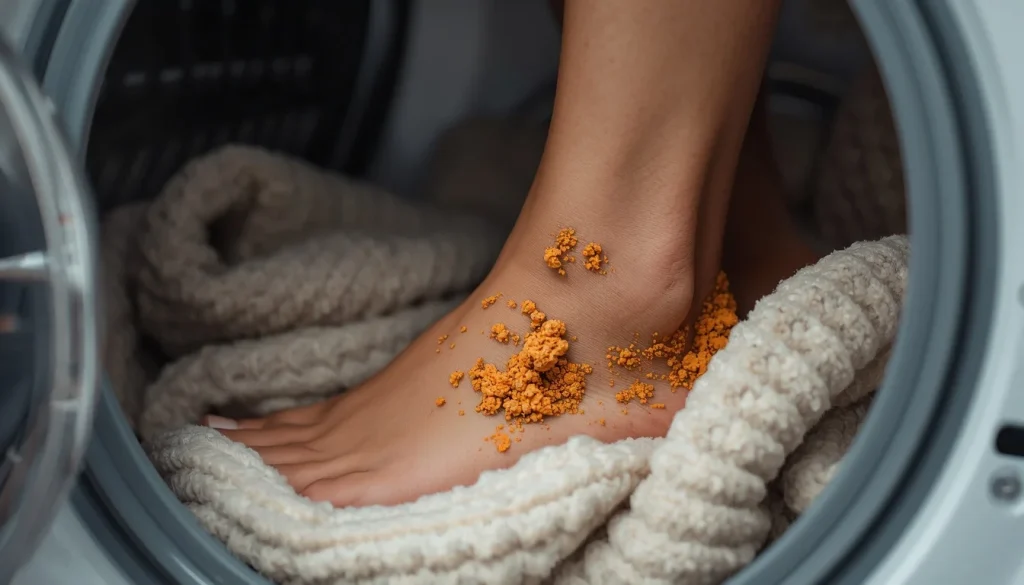
Does a Dryer Kill Fungus and Fungal Spores?
A dryer may reduce some fungi, but it should not be considered a complete treatment.
Examples include:
- Athlete’s foot fungus
- Ringworm fungi
- Yeast organisms
- Some mildew-related fungi
Many fungal spores are more resistant to heat than common bacteria.
The most effective approach is:
- Wash contaminated clothing with detergent.
- Dry completely using the highest safe heat.
- Avoid storing damp laundry.
Does a Dryer Kill Mold and Mildew?
Mold thrives in damp environments.
A dryer removes moisture, making it harder for mold to continue growing.
However, drying alone does not necessarily destroy every mold spore.
If clothing already contains mold:
- Wash immediately.
- Use an appropriate detergent.
- Dry thoroughly.
- Ensure clothes are completely dry before storage.
Leaving damp laundry in the washer or laundry basket for several hours can encourage mold and mildew growth.
Does a Dryer Kill Dust Mites?
Yes.
High dryer temperatures are extremely effective at killing dust mites.
This is particularly beneficial for people who suffer from:
- Asthma
- Seasonal allergies
- Dust mite allergies
- Sensitive skin
Items that benefit most include:
- Pillowcases
- Bed sheets
- Blankets
- Comforters
- Mattress covers
Regular washing followed by high-heat drying helps reduce dust mite populations throughout the home.
Does a Dryer Kill Bed Bugs?
High heat can kill bed bugs, including adults, nymphs, and eggs.
Bed bugs cannot tolerate prolonged exposure to high temperatures.
For clothing or bedding that may have been exposed:
- Wash first if appropriate.
- Dry using the highest heat setting allowed.
- Continue drying long enough for heat to penetrate the entire load.
Keep in mind that severe bed bug infestations usually require professional treatment because bugs may also hide in furniture, mattresses, carpets, and wall cracks.
Does a Dryer Kill Lice or Fleas?
Heat can also help eliminate:
- Head lice
- Fleas
- Some flea eggs
Items like hats, scarves, pillowcases, blankets, stuffed animals, and clothing may benefit from a full high-heat drying cycle if the fabric can safely withstand the temperature.
Drying should be combined with appropriate cleaning methods for your home and pets to prevent reinfestation.
Can You Disinfect Clothes in the Dryer Without Washing Them?
Not completely.
A dryer may reduce some microorganisms through heat, but it does not:
- Remove dirt
- Eliminate body oils
- Wash away sweat
- Remove stains
- Clean food residue
- Remove many allergens
In other words, heat is only one part of proper laundry hygiene.
If clothing is visibly dirty or has been exposed to illness, washing should always come before drying.
The dryer should be viewed as an additional sanitizing step—not a replacement for the washing machine.
Is a Sanitize Cycle Better Than Regular Drying?
Yes.
Many newer dryers include a dedicated Sanitize Cycle specifically designed to expose clothing to higher temperatures for a longer period.
| Feature | Regular Cycle | Sanitize Cycle |
|---|---|---|
| Temperature | Moderate | Higher |
| Drying Time | Standard | Longer |
| Germ Reduction | Good | Better |
| Dust Mites | Moderate | Excellent |
| Bedding & Towels | Good | Excellent |
| Heavy Laundry Hygiene | Moderate | Best |
If your dryer includes this feature, it’s an excellent choice for:
- Towels
- Bedding
- Baby clothes
- Washcloths
- Cleaning cloths
- Cloth diapers
- Gym clothing
However, always verify that delicate fabrics can safely tolerate the higher temperatures before selecting this cycle.
Dryer vs. Washing Machine: Which Removes More Germs?
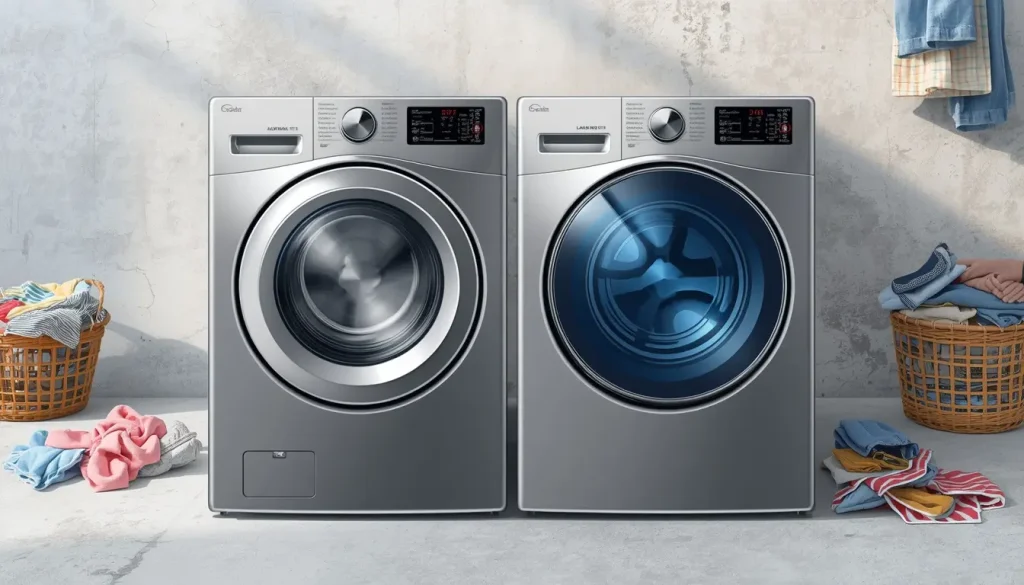
Many people assume the dryer does all the sanitizing, but washing actually plays the larger role.
| Washing Machine | Dryer |
|---|---|
| Removes dirt | Removes moisture |
| Removes body oils | Adds heat |
| Carries away many germs | Helps reduce remaining microorganisms |
| Uses detergent | Uses hot air |
| Primary cleaning step | Secondary sanitizing step |
For the cleanest and most hygienic laundry:
- Wash with a quality detergent.
- Select the appropriate water temperature.
- Rinse thoroughly.
- Dry completely using the highest safe heat.
This combination provides the best overall results for most households.
Laundry Sanitizer vs. Dryer: Which Is Better?
Many people wonder whether a laundry sanitizer or a clothes dryer is better at killing germs. The truth is that they serve different purposes and often work best together.
| Feature | Laundry Sanitizer | Clothes Dryer |
|---|---|---|
| Kills many bacteria | Yes | Yes (with high heat) |
| Helps reduce viruses | Yes | Yes (some viruses) |
| Removes dirt | No | No |
| Works during washing | Yes | No |
| Uses heat | No | Yes |
| Best for sanitizing | Excellent | Very Good |
If someone in your household has been sick or you’re washing heavily soiled items, using a laundry sanitizer during the wash cycle followed by high-heat drying provides the best overall hygiene.
Does Dryer Heat Remove Odors?
Yes, but only when the odor is caused by moisture or odor-causing bacteria.
Heat can help reduce unpleasant smells from:
- Sweat
- Damp towels
- Gym clothes
- Light body odor
However, if odors are caused by:
- Mold growth
- Heavy smoke
- Grease
- Oil
- Food stains
Simply drying the clothing may actually set the odor into the fabric. Washing with detergent before drying remains the most effective solution.
What Fabrics Can Safely Be Dried on High Heat?
Not every fabric should be exposed to maximum dryer temperatures.
| Fabric | High Heat Safe? |
|---|---|
| Cotton | Yes |
| Towels | Yes |
| Bed Sheets | Usually |
| Denim | Usually |
| Polyester | Moderate heat recommended |
| Athletic Wear | Low to medium heat |
| Wool | No |
| Silk | No |
| Rayon | No |
| Delicates | No |
Always check the care label before selecting a high-heat or sanitize cycle. Using excessive heat on delicate fabrics can cause shrinking, fading, or permanent damage.
Dryer vs. Hot Water Wash vs. Bleach vs. Sunlight
Each method contributes to cleaner laundry in a different way.
| Method | Removes Dirt | Reduces Germs | Safe for Most Fabrics |
|---|---|---|---|
| Washing with Detergent | ⭐⭐⭐⭐⭐ | ⭐⭐⭐⭐ | Yes |
| High-Heat Dryer | ⭐ | ⭐⭐⭐⭐ | Depends on fabric |
| Bleach | ⭐⭐ | ⭐⭐⭐⭐⭐ | Not all fabrics |
| Direct Sunlight | ⭐ | ⭐⭐ | May fade colors |
The most effective routine is:
- Wash with detergent.
- Use bleach only when appropriate.
- Dry completely using the highest safe temperature.
- Store clothing only after it is completely dry.
When a Dryer Won’t Kill Germs
Although dryers are helpful, there are situations where they are less effective.
Examples include:
- Overloaded dryer drums
- Very short drying cycles
- Air Fluff or no-heat settings
- Thick blankets that stay damp inside
- Clothes removed before they are fully dry
- Delicate fabrics dried on low heat
Poor airflow prevents heat from reaching every part of the load, reducing the dryer’s sanitizing ability.
Best Way to Kill Germs on Laundry
For the best results, follow this simple process:
Step 1: Sort Your Laundry
Separate everyday clothing from heavily soiled items, towels, bedding, and clothing used by someone who is ill.
Step 2: Use Quality Laundry Detergent
Detergent helps lift dirt, body oils, and many microorganisms from fabric fibers.
Step 3: Select the Right Water Temperature
Use the hottest water that is safe for the fabric. Follow garment care labels to avoid damage.
Step 4: Dry Clothes Completely
Select the highest safe dryer temperature and allow the load to finish its entire cycle.
Step 5: Use the Sanitize Cycle When Available
For towels, bedding, baby clothes, washcloths, and cleaning cloths, the sanitize cycle can provide additional germ reduction.
Step 6: Avoid Leaving Wet Laundry Sitting
Damp clothing creates an ideal environment for mold and mildew growth.
Step 7: Store Clothes Properly
Only fold and store clothing once it is completely dry.
Tips for Sanitizing Laundry at Home
These practical habits can improve laundry hygiene while extending the life of your clothing.
- Wash hands before handling clean laundry.
- Clean the lint filter after every load.
- Wipe the dryer drum periodically.
- Avoid overloading the dryer.
- Dry clothes completely before folding.
- Wash towels and bedding regularly.
- Use the sanitize cycle when appropriate.
- Follow care labels to prevent fabric damage.
Common Mistakes When Trying to Kill Germs
Many homeowners unknowingly reduce the effectiveness of their laundry routine.
Avoid these common mistakes:
Overloading the Dryer
Crowded loads prevent hot air from circulating evenly.
Using Only Low Heat
Low temperatures may not provide enough heat to significantly reduce germs.
Removing Clothes Too Early
Damp clothing allows bacteria and mold to continue growing.
Ignoring the Care Label
Using excessive heat on delicate fabrics can ruin clothing.
Forgetting to Clean the Dryer
A clogged lint filter restricts airflow and reduces drying efficiency.
Skipping the Wash Cycle
Drying dirty clothes without washing does not remove soil, oils, or many microorganisms.
What Laundry Experts Recommend
Laundry professionals generally recommend treating washing and drying as a two-step hygiene process.
Best practices include:
- Wash clothing with a quality detergent.
- Use the warmest water that is safe for the fabric.
- Dry clothes completely before storing.
- Use the sanitize cycle for towels, bedding, and heavily used fabrics.
- Clean your washing machine and dryer regularly to maintain performance.
This approach provides better hygiene than relying on any single laundry step.
Common Myths About Dryers and Germs
Myth 1: A Dryer Kills Every Germ
False. While heat reduces many microorganisms, some may survive depending on the temperature, drying time, and type of germ.
Myth 2: Drying Replaces Washing
False. Washing removes dirt, oils, and many germs that a dryer cannot.
Myth 3: Air Fluff Sanitizes Clothes
False. Air Fluff uses little or no heat and offers virtually no sanitizing benefit.
Myth 4: Dryer Sheets Kill Germs
False. Dryer sheets reduce static and add fragrance but do not disinfect clothing.
Myth 5: High Heat Is Safe for Every Fabric
False. Delicate fabrics such as wool and silk can shrink or become damaged when exposed to excessive heat.
Frequently Asked Questions
Does a dryer kill germs without washing clothes first?
A dryer can reduce some germs through heat, but it does not remove dirt, sweat, body oils, or stains. Washing with detergent followed by high-heat drying is the most effective approach.
What temperature kills germs in a dryer?
Many household germs are reduced more effectively at temperatures above 150°F (66°C). Dryers with a sanitize cycle often reach even higher temperatures for improved sanitization.
Does a dryer kill viruses?
High heat can reduce the activity of many viruses, but drying alone should not be considered a complete disinfection method. Washing with detergent first is essential.
Can a dryer sanitize towels?
Yes. Towels respond well to high-heat drying, especially after being washed thoroughly. A sanitize cycle offers even better germ reduction if your dryer includes one.
Does drying clothes on high heat disinfect them?
High heat can significantly reduce many bacteria and other microorganisms, but complete disinfection depends on the temperature, drying time, and the type of germ.
Does a dryer kill mold spores?
A dryer removes moisture that mold needs to grow, but it may not eliminate every mold spore. Washing contaminated items before drying remains the best practice.
Is the sanitize cycle worth using?
Yes. If your dryer has a sanitize cycle, it provides higher temperatures and longer drying times that can improve germ reduction for towels, bedding, baby clothes, and other durable fabrics.
Final Verdict
So, does a dryer kill germs? The answer is yes—but only under the right conditions.
High dryer temperatures maintained for an adequate amount of time can reduce many common bacteria, some viruses, dust mites, bed bugs, and other microorganisms. However, a dryer is most effective when it follows a proper wash cycle with detergent. Heat alone cannot remove dirt, body oils, stains, or every type of germ.
For the healthiest laundry routine:
- Wash clothes with a quality detergent.
- Choose the hottest water that is safe for the fabric.
- Dry items completely using the highest safe heat setting.
- Use the sanitize cycle whenever appropriate.
- Keep your washer and dryer clean for consistent performance.
By combining proper washing with thorough drying, you can keep your clothing, towels, bedding, and household fabrics cleaner, fresher, and more hygienic while helping protect your family from everyday germs.

Oliver Bennett is a home appliance writer specializing in washer and dryer solutions, laundry care, and energy-efficient appliances. He provides detailed reviews, buying guides, and maintenance tips to help users choose reliable machines and achieve better laundry results.