Yes, Squishmallows can sometimes go in the dryer, but manufacturers generally recommend air-drying whenever possible to protect the plush fabric, stuffing, and overall shape. Using excessive heat can damage the polyester fibers and reduce the softness that makes Squishmallows so popular.
According to the American Cleaning Institute, following care instructions on fabric labels is one of the most effective ways to extend the life of washable household textiles. Likewise, plush toys made with polyester fibers are often sensitive to high heat exposure.
If your Squishmallow has become dirty, wet, or needs refreshing after washing, choosing the correct drying method is important. In this guide, you’ll learn whether Squishmallows can go in the dryer, how to dry them safely, the risks of heat damage, and the best practices for keeping them soft and fluffy for years.
Why Can Squishmallows Go in the Dryer Matters
Squishmallows are designed with an ultra-soft polyester outer fabric and plush polyester fiber filling. Their unique texture is what makes them comfortable for cuddling, sleeping, and collecting.
Using the wrong drying method can lead to:
- Flattened stuffing
- Heat-damaged fabric fibers
- Misshapen plush toys
- Reduced softness
- Shrinkage of outer materials
- Permanent lumps inside the filling
Because many Squishmallows are collectibles, proper care can also help preserve their appearance and value over time.
Squishmallow Drying Method Comparison Table
| Drying Method | Safety Level | Drying Speed | Risk of Damage |
|---|---|---|---|
| Air Drying Indoors | Excellent | Slow | Very Low |
| Air Drying Outdoors (Shade) | Excellent | Moderate | Very Low |
| Dryer No-Heat Setting | Good | Fast | Low |
| Dryer Air-Fluff Cycle | Good | Fast | Low |
| Dryer Low Heat | Moderate | Moderate | Medium |
| Dryer Medium Heat | Poor | Fast | High |
| Dryer High Heat | Not Recommended | Fast | Very High |
Best Ways to Dry a Squishmallow Safely
1. Use Air Drying Whenever Possible
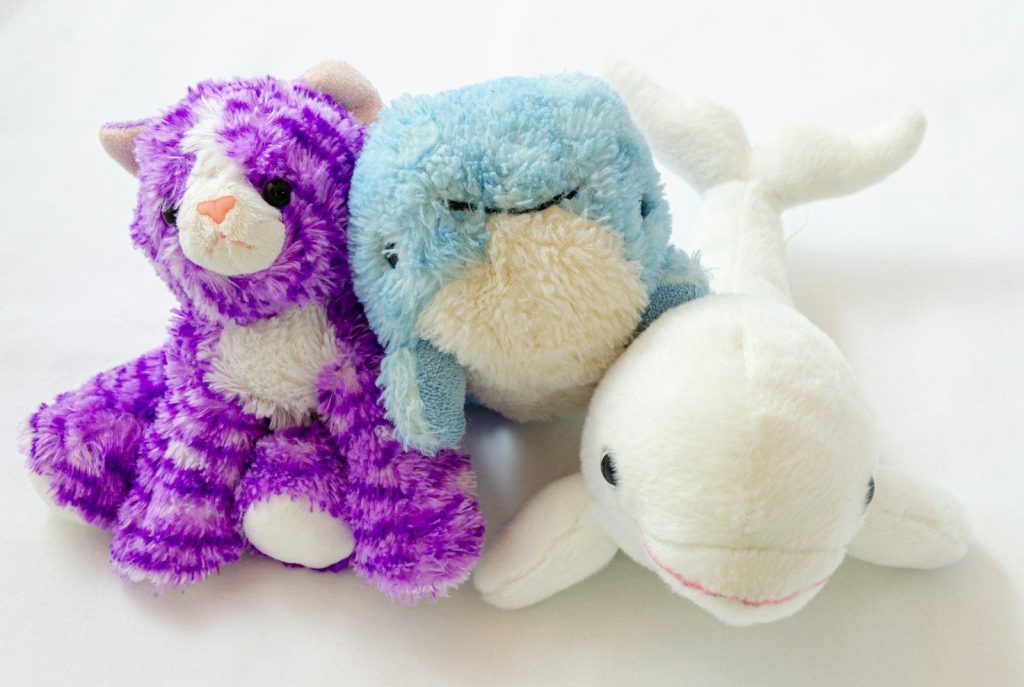
Air drying is the safest option for most Squishmallows. Place the plush on a clean towel in a well-ventilated room and rotate it periodically to ensure even drying.
Benefits: Protects fabric and stuffing.
Drawbacks: Takes longer than machine drying.
2. Gently Press Out Excess Water
After washing, avoid twisting or wringing the toy. Instead, press it between clean towels to remove moisture.
Benefits: Prevents stuffing damage.
Drawbacks: Requires a little extra time.
3. Choose the Air-Fluff Dryer Setting
If you must use a dryer, select an air-only or no-heat cycle. This allows airflow without exposing the plush to damaging temperatures.
Benefits: Faster drying.
Drawbacks: May require multiple cycles.
4. Use Dryer Balls Sparingly
Wool dryer balls can help keep the filling fluffy during a no-heat cycle. Use only a few to avoid excessive impact.
Benefits: Helps restore shape.
Drawbacks: Can be rough on smaller Squishmallows.
5. Dry Large Squishmallows in Stages
Large sizes often retain moisture deep inside the stuffing. Alternate between air drying and short no-heat dryer cycles.
Benefits: More thorough drying.
Drawbacks: Requires monitoring.
6. Keep Heat Settings Off
Even low heat can gradually damage polyester fibers. Manufacturers of plush products typically recommend avoiding heated drying whenever possible.
Benefits: Maintains softness.
Drawbacks: Slower drying time.
7. Reshape While Drying
Periodically fluff and reshape the Squishmallow as it dries. This helps maintain its original appearance.
Benefits: Prevents lumps and flat spots.
Drawbacks: Requires occasional attention.
Step-by-Step Guide to Drying a Squishmallow
- Check the care tag for specific instructions.
- Wash the Squishmallow according to label directions.
- Gently squeeze out excess water.
- Wrap the plush in clean towels and press lightly.
- Reshape the toy before drying.
- Place it on a dry towel in a ventilated area.
- Turn it every few hours.
- If necessary, use a no-heat dryer cycle for 10–15 minutes.
- Confirm the center stuffing is completely dry before storing.
Pro tip: Place a small fan near the drying area to improve airflow and reduce drying time without exposing the Squishmallow to heat.
Air Drying vs Dryer Drying Comparison
| Feature | Air Drying | Dryer (No Heat) |
|---|---|---|
| Safety for Fabric | Excellent | Good |
| Safety for Stuffing | Excellent | Good |
| Risk of Shrinkage | Very Low | Low |
| Risk of Heat Damage | None | None |
| Time Required | Longer | Shorter |
| Shape Retention | Excellent | Good |
| Cost | Free | Utility Cost |
| Overall Winner | Best Choice for Most Squishmallows | Useful for Faster Drying |
Winner Analysis: Air drying remains the safest and most recommended method because it completely eliminates the risk of heat-related damage.
Expert Tips and Common Mistakes
Expert Tips
- Always read the care label before washing.
- Dry collectible editions with extra care.
- Use towels to absorb excess moisture first.
- Rotate the plush regularly during drying.
- Avoid direct sunlight for extended periods.
- Store only when fully dry to prevent odors.
Common Mistakes to Avoid
Using High Heat
High heat can melt or distort polyester fibers, permanently affecting softness and appearance.
Drying Before Removing Excess Water
A soaking-wet Squishmallow takes much longer to dry and may develop uneven stuffing.
Ignoring the Care Label
Different sizes and editions may have slightly different care recommendations.
Storing While Damp
Residual moisture can create unpleasant odors and encourage mold growth inside the stuffing.
Frequently Asked Questions
Can Squishmallows go in the dryer?
Yes, but only on a no-heat or air-fluff setting. Air drying remains the safest method recommended by most care experts.
Will a Squishmallow shrink in the dryer?
High temperatures can cause fabric distortion and slight shrinkage. Avoid heated dryer cycles whenever possible.
How long does a Squishmallow take to air dry?
Depending on size and humidity, drying may take between 12 and 48 hours.
Can I use low heat instead of air fluff?
Low heat is less risky than medium or high heat, but it still carries some potential for fiber damage.
How do I make my Squishmallow fluffy again?
Gently massage the stuffing, reshape the toy, and use short no-heat dryer cycles if needed.
Can large Squishmallows go in the dryer?
Large Squishmallows can use a no-heat cycle, but they often dry more effectively when combined with air drying.
Can I dry a Squishmallow outside?
Yes. Drying outdoors in a shaded area with good airflow is generally safe and effective.
Conclusion
So, can Squishmallows go in the dryer? Yes, but only under carefully controlled conditions. A no-heat or air-fluff cycle is usually the safest machine-drying option.
For the best long-term results, air drying remains the preferred method. It protects the plush fabric, preserves the stuffing, and helps maintain the signature softness that makes Squishmallows so popular.
If you’re looking for more toy care, laundry, and fabric maintenance advice, explore our other laundry guides and plush care comparisons for additional expert tips.
Expert Opinion
As a textile care specialist, I’ve found that heat is the most common cause of damage to plush toys. While many people want faster drying times, the convenience of high heat often comes at the expense of softness and durability.
Organizations such as the American Cleaning Institute and textile care professionals consistently emphasize following care labels and minimizing unnecessary heat exposure. Those recommendations align closely with what I see in real-world fabric care situations.
If you want your Squishmallow to remain soft, fluffy, and comfortable for years, patience during drying is worth it. A little extra drying time can significantly extend the life of your favorite plush companion.

Oliver Bennett is a home appliance writer specializing in washer and dryer solutions, laundry care, and energy-efficient appliances. He provides detailed reviews, buying guides, and maintenance tips to help users choose reliable machines and achieve better laundry results.