

Yes, bed bugs can die in the dryer but only if they are exposed to high enough heat for long enough. A clothes dryer on a high-heat setting is one of the most effective ways to kill adult bed bugs, nymphs, and eggs hiding in clothing, bedding, and other washable fabrics. However, using the wrong temperature, overloading the dryer, or running a short cycle may allow some bugs to survive.
Bed bugs are among the most frustrating household pests. They hide in tiny cracks, reproduce quickly, and can spread from one room to another before you even realize there’s a problem. If you’ve discovered bed bugs in your home, your first question is probably whether your dryer can eliminate them.
The good news is that heat is one of the few proven methods that kills bed bugs without relying entirely on pesticides. When used correctly, a household dryer can play an important role in your bed bug treatment plan.
In this guide, you’ll learn how dryers kill bed bugs, the best temperature and drying time, whether eggs survive, common mistakes to avoid, and what to do after drying your clothes to prevent reinfestation.
Expert Tip: The dryer—not the washing machine is usually the most important appliance for killing bed bugs on clothing and bedding. High heat is what destroys every life stage of the insect.
Why Heat Is So Effective Against Bed Bugs
Unlike many insects, bed bugs cannot tolerate prolonged exposure to high temperatures. Their bodies lose moisture rapidly, and essential proteins begin to break down when exposed to sufficient heat.
Heat treatment works because it reaches:
- Adult bed bugs
- Young bed bugs (nymphs)
- Bed bug eggs
Unlike chemical sprays, heat doesn’t rely on bugs coming into contact with pesticides. Instead, it kills them by raising their body temperature beyond what they can survive.
This is why professional exterminators often use whole-home heat treatments, and it’s also why your household dryer can be such a valuable tool.
Do Bed Bugs Die in the Dryer?
The Short Answer
Yes. A dryer using a high-heat setting can kill bed bugs in every life stage including eggs provided the items remain at lethal temperatures for a sufficient amount of time.
However, simply tossing infested clothes into the dryer isn’t enough.
Several factors determine success:
- Dryer temperature
- Length of drying cycle
- Fabric thickness
- Load size
- Whether heat reaches every item
If heat cannot circulate properly, some insects may survive.
Why the Dryer Works Better Than Washing
Many people assume hot water does all the work.
In reality, the dryer is often the most important step.
Water helps clean clothing, but the sustained dry heat inside the dryer is what kills bed bugs.
| Washing Machine | Clothes Dryer |
|---|---|
| Removes dirt and some insects | Kills bed bugs using heat |
| Temperature varies | Consistent high heat |
| Water cools quickly | Heat remains constant |
| May not kill eggs | Proper heat kills eggs and adults |
If you must choose only one appliance for treating washable fabrics, the dryer provides the greatest benefit.
What Dryer Temperature Kills Bed Bugs?
Temperature is the most important factor.
Generally, bed bugs begin dying once they experience temperatures above approximately 120°F (49°C). Most residential dryers on high heat exceed this temperature during normal operation.
Common Dryer Settings
| Dryer Setting | Effective Against Bed Bugs? |
|---|---|
| Air Fluff (No Heat) | No |
| Low Heat | Usually unreliable |
| Medium Heat | May work with longer cycles |
| High Heat | Recommended |
| Sanitize Cycle | Excellent if available |
The exact temperature varies between dryer models, but using the highest fabric-safe setting gives the best chance of eliminating all life stages.
Always check garment care labels before using high heat.
How Long Should You Leave Clothes in the Dryer?
Time matters just as much as temperature.
Even if your dryer reaches the correct temperature, insects hidden inside folded clothing or thick blankets need enough exposure for the heat to penetrate completely.
General Drying Guidelines
| Item | Suggested High-Heat Drying Time |
|---|---|
| Lightweight clothing | 30–40 minutes |
| Jeans and sweatshirts | 40–50 minutes |
| Bed sheets | 40–50 minutes |
| Towels | 50–60 minutes |
| Comforters and blankets | 60–90 minutes |
Large items require more time because the center warms more slowly.
Running an extra 10–15 minutes is often better than ending the cycle too early.
Can Bed Bug Eggs Survive the Dryer?
Bed bug eggs are more resistant than adult insects.
Fortunately, properly applied dryer heat can kill them as well.
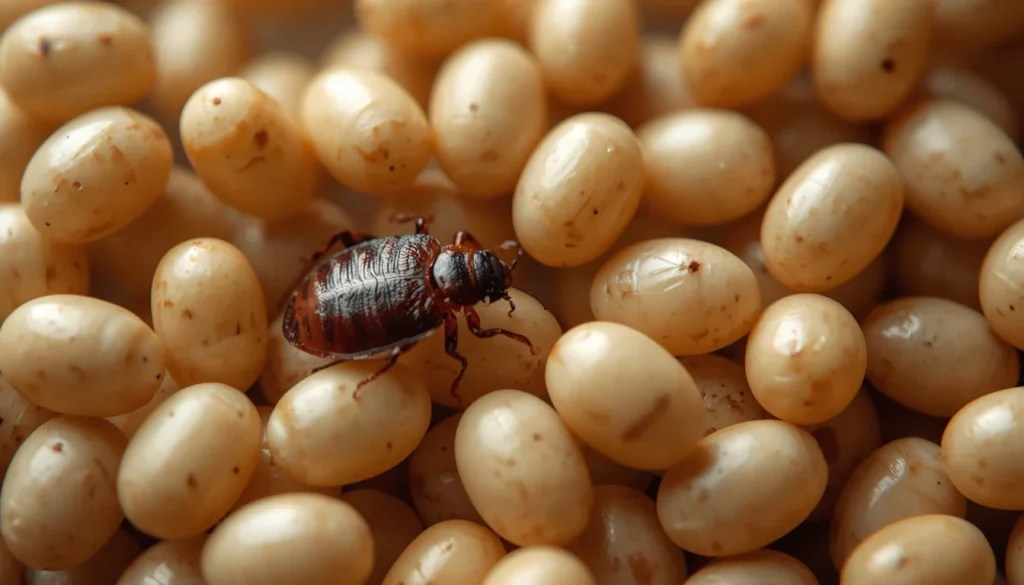
Eggs are protected by a hard outer shell, so they generally require consistent exposure to high temperatures before they die.
If the dryer cycle is too short or the load is packed tightly, eggs hidden deep inside folded fabrics may not receive enough heat.
For that reason:
- Use high heat whenever possible.
- Avoid overloading the dryer.
- Dry bulky fabrics longer.
- Allow heat to circulate freely.
Killing eggs is essential because a single surviving batch can restart an infestation within weeks.
Can Bed Bugs Survive the Dryer?
Yes—but only when the dryer is used incorrectly.
Bed bugs may survive if:
- The dryer never reaches high heat.
- The load is packed too tightly.
- Thick blankets block airflow.
- The drying cycle ends too soon.
- The dryer has heating problems.
Survival is usually caused by insufficient heat exposure not because bed bugs are resistant to dryers.
Common Reasons Bed Bugs Survive
Using Low Heat
Low temperatures may dry clothes without reaching lethal conditions for insects.
Overloading the Dryer
Stuffing too many clothes inside prevents hot air from reaching every item.
Instead, dry smaller loads.
Short Dry Cycles
Quick cycles save energy but may not expose bugs to enough heat.
Damp, Heavy Fabrics
Large comforters, quilts, and sleeping bags require much longer drying times than lightweight clothing.
Step-by-Step: How to Kill Bed Bugs in the Dryer
Following the proper process greatly improves your chances of eliminating every bug.
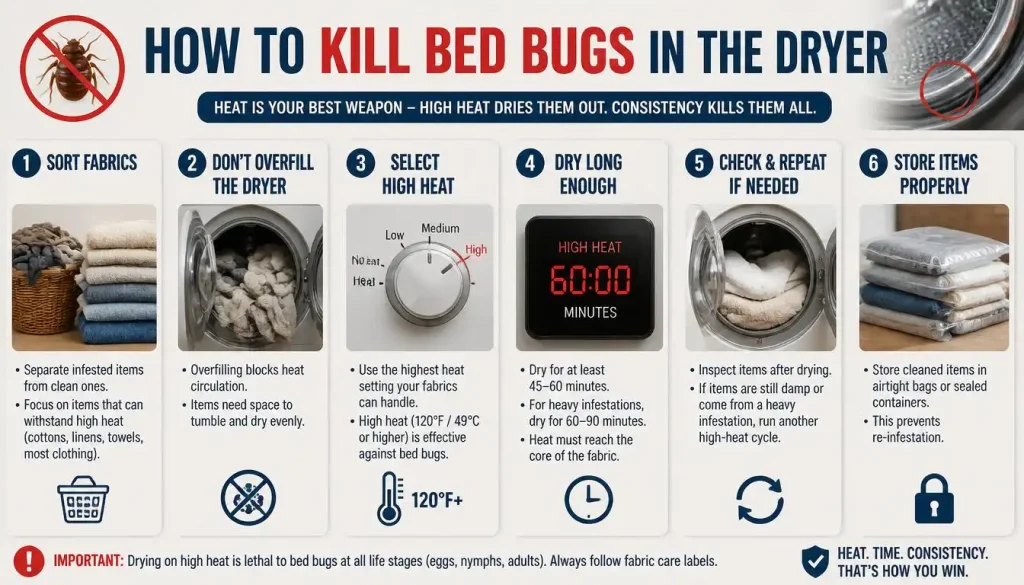
Step 1: Seal Infested Items
Place clothing, bedding, or washable fabrics into sealed plastic bags before moving them through your home.
This helps prevent bed bugs from falling onto floors or furniture.
Step 2: Sort Fabrics
Separate delicate fabrics from heat-safe materials.
Read care labels before selecting a dryer setting.
Step 3: Don’t Overfill the Dryer
Leave enough space for clothing to tumble freely.
Good airflow allows heat to reach every surface.
Step 4: Select High Heat
Use the highest heat setting the fabric can safely handle.
If your dryer includes a sanitize cycle, it’s an excellent option for sturdy fabrics.
Step 5: Dry Long Enough
Allow enough time for every item to become fully heated—not just dry.
Thicker items may require additional drying time.
Step 6: Store Items Properly
Immediately place treated clothing into:
- Clean plastic bags
- Airtight containers
- Clean drawers
- Fresh laundry baskets
Avoid returning clean clothes to contaminated areas.
What Items Can Safely Go in the Dryer?
Many washable household fabrics respond well to dryer treatment.
| Usually Safe | Check Label First | Avoid High Heat |
|---|---|---|
| Cotton clothing | Athletic wear | Leather |
| Towels | Wool | Rubber items |
| Bed sheets | Delicate blends | Silk |
| Pillowcases | Synthetic fabrics | Vinyl |
| Blankets | Decorative fabrics | Foam products |
When in doubt, follow the manufacturer’s care instructions.
Can You Put Bedding Directly Into the Dryer?
Yes, in many cases.
If your bedding is dryer-safe, running it through a high-heat drying cycle can effectively kill bed bugs hiding in:
- Bed sheets
- Pillowcases
- Cotton blankets
- Duvet covers
- Mattress protectors
However, always check the care label before drying expensive comforters or specialty fabrics.
Some oversized bedding may require a commercial dryer for better airflow and more even heating.
Does Washing Kill Bed Bugs, or Is the Dryer More Important?
Many homeowners believe hot water is enough.
Unfortunately, washing alone doesn’t always eliminate every bed bug or egg.
The dryer typically plays the larger role because it provides sustained heat that reaches lethal temperatures.
An effective routine usually looks like this:
- Bag infested laundry.
- Wash according to fabric care instructions.
- Transfer items directly to the dryer.
- Dry on high heat for the recommended time.
- Store cleaned items in sealed containers until your home has been treated.
This combination helps remove debris while allowing the dryer to do the critical work of killing any remaining insects.
Can Bed Bugs Live in a Washing Machine?
This is a common concern after laundering infested clothes.
The good news is that bed bugs are not well adapted to living inside a washing machine. The combination of water movement, detergent, and repeated cycles makes it an unsuitable environment for them.
However, a few insects could briefly remain around areas such as:
- The rubber door gasket on front-loading washers
- Inside the drum before the next cycle
- Around the laundry basket used to transport infested items
For this reason, it’s a good practice to inspect your washer after handling heavily infested laundry and clean the door seal if necessary. More importantly, remember that the washing machine is not the primary method for killing bed bugs—the dryer is.
What If an Item Can’t Go in the Dryer?
Not everything can withstand high heat. Leather, silk, suede, memory foam, and certain delicate fabrics may become damaged in a hot dryer.
Fortunately, there are other ways to deal with bed bugs on heat-sensitive items.
Steam Treatment
Steam reaches temperatures high enough to kill bed bugs and their eggs when applied directly. It’s especially useful for mattresses, upholstered furniture, curtains, and carpets.
Professional Heat Treatment
For widespread infestations, professional whole-room or whole-home heat treatment is one of the most effective solutions. It raises the temperature throughout the affected area, killing bed bugs in places a dryer can’t reach.
Freezing
Some delicate items can be sealed in airtight bags and frozen for several days at extremely low temperatures. While this method can work, it generally takes much longer than heat treatment.
Isolation
Items that cannot be heated or frozen may be sealed in airtight containers or heavy-duty plastic bags until any remaining bed bugs die from lack of food. This approach requires patience and isn’t a quick solution.
Do Bed Bugs Stay in the Dryer?
Many people worry that bed bugs might remain inside the dryer and infest future loads of laundry.
Fortunately, this is highly unlikely.
During a properly heated drying cycle, bed bugs are exposed to temperatures they cannot survive. Once the cycle is complete, they do not establish colonies inside the dryer.
However, dead insects or debris may remain in:
- The lint trap
- Around the dryer door
- The drum
- Vent openings
Cleaning the dryer after treating infested laundry is a good habit, even though the risk of reinfestation is very low.
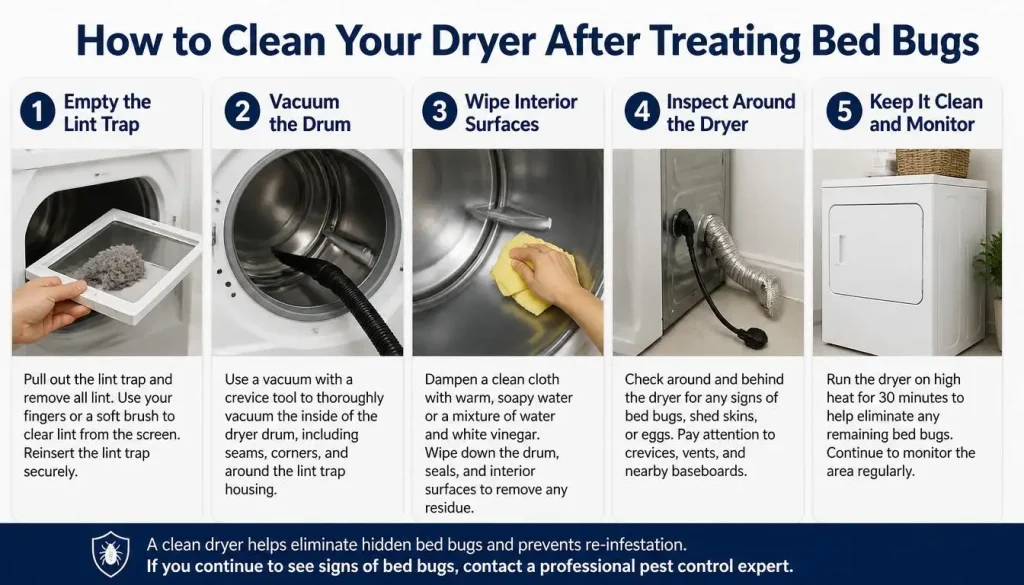
How to Clean Your Dryer After Treating Bed Bugs
Cleaning your dryer takes only a few minutes and provides extra peace of mind.
Step 1: Empty the Lint Trap
Remove all lint immediately after the drying cycle.
Dispose of it in a sealed trash bag outside your home.
Step 2: Vacuum the Drum
Use a vacuum with a hose attachment to remove lint and debris from the drum and door seal.
Step 3: Wipe Interior Surfaces
Use a damp microfiber cloth with a mild household cleaner to wipe the inside of the drum and around the door.
Step 4: Inspect Around the Dryer
Check behind and underneath the dryer for loose lint or debris.
Although bed bugs don’t typically live inside dryers, keeping the area clean helps eliminate hiding places for other household pests.
Is a Laundromat Dryer Effective for Killing Bed Bugs?
Yes—commercial dryers found in laundromats are often even more effective than residential models because they typically produce stronger, more consistent heat.
If you use a laundromat:
- Transport infested laundry in sealed plastic bags.
- Avoid opening the bags until you’re ready to load the dryer.
- Use the highest heat setting that is safe for your fabrics.
- Place dried items into clean bags before leaving.
Following these precautions helps prevent spreading bed bugs during transport.
Dryer vs. Other Bed Bug Treatment Methods
| Treatment Method | Kills Bed Bugs | Kills Eggs | Best For |
|---|---|---|---|
| High-Heat Dryer | Yes | Yes | Clothing and bedding |
| Washing Machine | Sometimes | Not reliably | Cleaning fabrics |
| Steam Cleaner | Yes | Yes | Mattresses and furniture |
| Freezing | Yes (with sufficient time) | Yes | Delicate items |
| Professional Heat Treatment | Yes | Yes | Whole-home infestations |
| Chemical Treatments | Yes | Varies | Targeted infestations |
Using multiple treatment methods together often produces the best results.
Common Mistakes That Allow Bed Bugs to Survive
Even when using a dryer, small mistakes can reduce its effectiveness.
Using the Wrong Heat Setting
Air Fluff or Low Heat settings usually won’t reach temperatures that reliably kill bed bugs.
Overloading the Dryer
Crowded loads prevent hot air from circulating evenly.
Ending the Cycle Too Soon
Clothes may feel dry before they’ve remained hot long enough to kill insects hiding deep inside fabrics.
Reusing Contaminated Laundry Baskets
Placing clean clothes back into a basket that previously held infested laundry can lead to reinfestation.
Ignoring Nearby Fabrics
Treating only clothing while leaving blankets, sheets, curtains, or pillowcases untreated may allow bed bugs to survive elsewhere.
Signs Bed Bugs May Still Be Alive
After treating your laundry, continue monitoring your home for signs of activity.
Watch for:
- New bite marks appearing overnight
- Live insects on mattresses or furniture
- Tiny white eggs in seams or cracks
- Black fecal spots on bedding
- Shed skins
- A sweet, musty odor in heavily infested rooms
If these signs continue after treating your fabrics, the infestation likely extends beyond your laundry.
What Should You Do After Drying Infested Clothes?
Drying your laundry is only one part of eliminating bed bugs.
Follow these additional steps:
- Store cleaned clothing in sealed plastic bags until your home has been treated.
- Vacuum mattresses, bed frames, carpets, and upholstered furniture thoroughly.
- Wash and dry all washable bedding.
- Inspect luggage if you’ve recently traveled.
- Use mattress and box spring encasements designed for bed bug protection.
- Reduce clutter where bed bugs can hide.
- Continue monitoring for several weeks.
These steps reduce the chance of reinfestation.
Why Do Bed Bugs Keep Coming Back?
Sometimes people believe the dryer failed when, in reality, bed bugs survived elsewhere in the home.
Common reasons include:
- Untreated mattresses
- Infested furniture
- Cracks in walls or baseboards
- Eggs hidden outside washable fabrics
- Bringing bed bugs home again from travel
- Nearby apartments with active infestations
Treating only your clothes rarely eliminates a severe infestation.
Expert Tips for Preventing Future Bed Bug Problems
A few simple habits can greatly reduce your risk of another infestation.
- Inspect hotel beds before unpacking.
- Wash and dry travel clothing immediately after returning home.
- Avoid bringing discarded furniture indoors.
- Inspect secondhand mattresses carefully.
- Vacuum bedrooms regularly.
- Reduce clutter around sleeping areas.
- Use protective mattress encasements.
- Check luggage after vacations.
- Act quickly if you notice bites or spotting.
Prevention is much easier—and less expensive—than treating an established infestation.
Bed Bug Heat Survival Quick Reference
| Life StageHigh Heat DryerLow Heat Dryer | ||
|---|---|---|
| Adult Bed Bugs | Killed | May survive |
| Nymphs | Killed | May survive |
| Eggs | Killed with adequate heat and time | Often survive |
Frequently Asked Questions
Do bed bugs die instantly in the dryer?
Not instantly. Bed bugs die after being exposed to sufficiently high temperatures for an adequate amount of time. The exact time depends on your dryer’s heat output and the type of fabric being dried.
Can bed bug eggs survive a dryer?
Eggs can survive if the dryer doesn’t reach a high enough temperature or if the cycle is too short. Using high heat and allowing enough drying time helps ensure eggs are destroyed.
Should I wash clothes before putting them in the dryer?
Washing removes dirt and debris, but it’s the dryer’s heat that does most of the work in killing bed bugs. If fabric care instructions allow, washing followed by high-heat drying is the best approach.
Can I kill bed bugs by drying clothes only?
Yes. If the dryer reaches and maintains sufficient heat for long enough, drying alone can kill bed bugs and their eggs on washable fabrics.
Can bed bugs infest the inside of my dryer?
No. Bed bugs do not normally live or reproduce inside clothes dryers because the heat is far too extreme for their survival.
Is a commercial laundromat dryer better than a home dryer?
Often, yes. Commercial dryers usually produce stronger, more consistent heat and may dry bulky items more effectively than residential models.
When should I call a professional exterminator?
If bed bugs continue appearing after treating clothing and bedding—or if the infestation has spread to mattresses, furniture, or multiple rooms—professional pest control is usually the most effective solution.
Final Thoughts
So, do bed bugs die in the dryer? Yes—when you use the right combination of high heat and sufficient drying time, a clothes dryer can effectively kill adult bed bugs, nymphs, and eggs hiding in washable fabrics.
However, it’s important to remember that treating laundry alone won’t eliminate an entire infestation. Bed bugs often hide in mattresses, bed frames, upholstered furniture, cracks, and other hard-to-reach areas throughout your home.
For the best results, combine high-heat drying with careful cleaning, vacuuming, proper storage of treated items, and thorough inspection of your living space. If signs of bed bugs persist after multiple treatments, professional heat treatment or pest control services may be necessary to completely eliminate the infestation.
By using your dryer correctly and following a comprehensive treatment plan, you can significantly reduce the population of bed bugs and help protect your home from future infestations.

Oliver Bennett is a home appliance writer specializing in washer and dryer solutions, laundry care, and energy-efficient appliances. He provides detailed reviews, buying guides, and maintenance tips to help users choose reliable machines and achieve better laundry results.